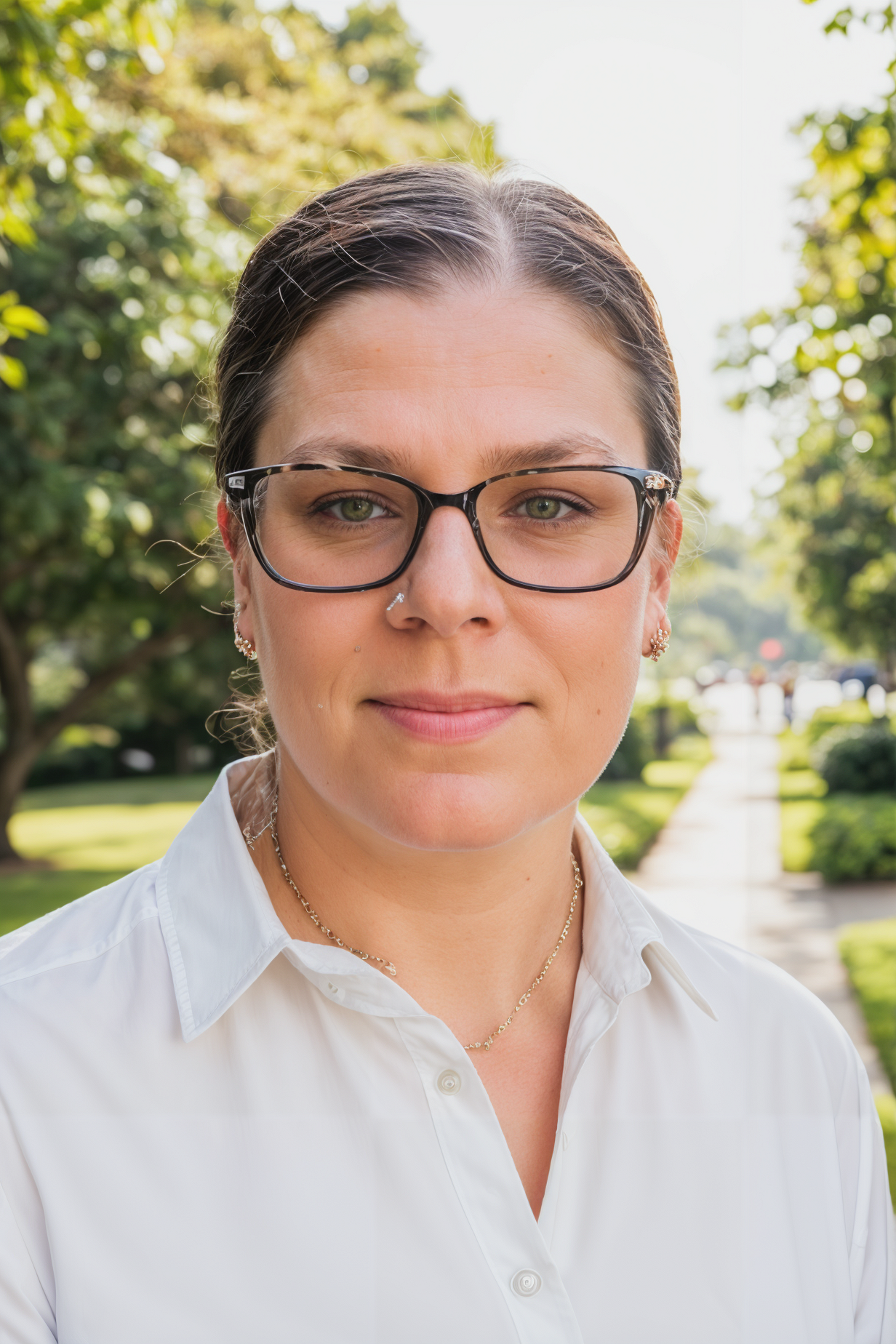
Baltimore is a city that’s lost its charm for Mariah Hay. She was a new Baltimorean when she bought property back in 2025. The residence has quickly become her home and workplace, and she used a title company for the purchase.
But in October, the city sent her a notice requesting roughly $1,000 in back property taxes. Hay admits some of the items invoiced are older than the previous owner’s 2016 purchase.
“We don’t owe this,” she told WMAR-2 News. “That’s why they do the title checks.”
Thanks for subscribing!
Keep more of your money — subscribe free.
By signing up, you accept Moneywise Terms of Use, Subscription Agreement, and Privacy Policy.
Hay’s notice was one of 50,123 that were sent by the Bureau of Revenue Collections, the Department of Finance (DOF) office that collects taxes and fees. Together, they asked for $504.6 million in water bills, property taxes, citations and other charges.
Another woman, who says she has paid the city $70 a year for a permit to use a public right-of-way space since 1989, got a notice saying she still owes for 2005.
If you received one of these notices and haven’t paid, your balance has been growing since Oct. 31, when the DOF says extra interest and penalties started. Many of these charges include liens. An unpaid lien can be auctioned off and could eventually cost them the property through foreclosure, but those being billed need to be warned first.
Why old balances are showing up now
Baltimore sends out notices every October. This year, the DOF had updated its system, and the department told WMAR the new setup surfaces old balances that past letters left out.
The letters WMAR reviewed were dated Oct. 8 and due Oct. 31, but some people said theirs didn’t arrive until Oct. 16. City councilwoman Odette Ramos, who represents District 14, said the DOF is to blame, since residents normally get 30 days to pay.
Hay said neither she nor her title company heard back after emailing the city to get the charges dropped. When she reached out, she was told her question would go to a supervisor, and an answer could take up to two months.
Must Read
- Jeff Bezos backs a platform that lets anyone invest in rental homes for as little as $100 — 6 ways to build wealth like a landlord without actually being one
- The tax breaks in Trump's 'big beautiful bill' expire after 2028. Here are 4 moves to make before the window closes
What Baltimore law says about pre-purchase debts
A deed can’t be recorded in Baltimore until a lien certificate from Finance has been obtained. Under city code, if a charge wasn’t on that certificate, the city can’t come after a buyer who paid in good faith without knowing about it. It can still go after whoever owned the property when the certificate was issued.
The department told WMAR it’s clearing charges that never made it onto a property’s lien sheet at the time of sale. It’s correcting other errors, too, but hasn’t disclosed any further details.
Maryland law has a statute on limitations for a governing body. In this case, the entity is allowed seven years to collect tax once it’s due. Councilwoman Ramos wants to know whether that limit covers some of these balances. The DOF hadn’t answered WMAR’s questions about it as of Nov. 10.
Under city code, overdue taxes accrue 1% interest and a 1% penalty every month. The DOF wrote in a statement to WMAR that it’s “working with customers who pay late due to needing additional information,” but hasn’t said whether that includes interest and penalties while bills are being disputed.
What to do if your notice includes an old balance
If charges on your notice are from before you purchased a property, ask the title company that handled your closing for the lien certificate from your settlement. A charge the certificate didn’t list is what the DOF is working on removing. Your title company can take that up with the city along with you.
Any owner can also contact the Bureau of Revenue Collections for a line-by-line history of the account via phone at 410-396-3000 or email. Check the history against your receipts, bank statements and even canceled checks.
Councilwoman Ramos is pushing the DOF to resolve its errors by February. That’s when the city mails its last bills and legal notices. Ramos added it’s when tax sale season starts.
“I get that the city needs money,” she said. “I want people to pay ... but we want to make sure that those bills are correct and that we’re following the right procedures.”
You May Also Like
- Dave Ramsey warns nearly 50% of Americans are making 1 big Social Security mistake — here’s what it is and 3 simple steps to fix it ASAP
- A single line on your car insurance policy could be inflating your premium by up to 30% — here's what to change
Godwin Oluponmile is a content specialist, SEO strategist and copywriter with seven years of expertise in finance, Web 3.0, B2B SaaS and technology. His work has been featured in publications such as Entrepreneur, HackerNoon, Blocktelegraph and Benzinga.