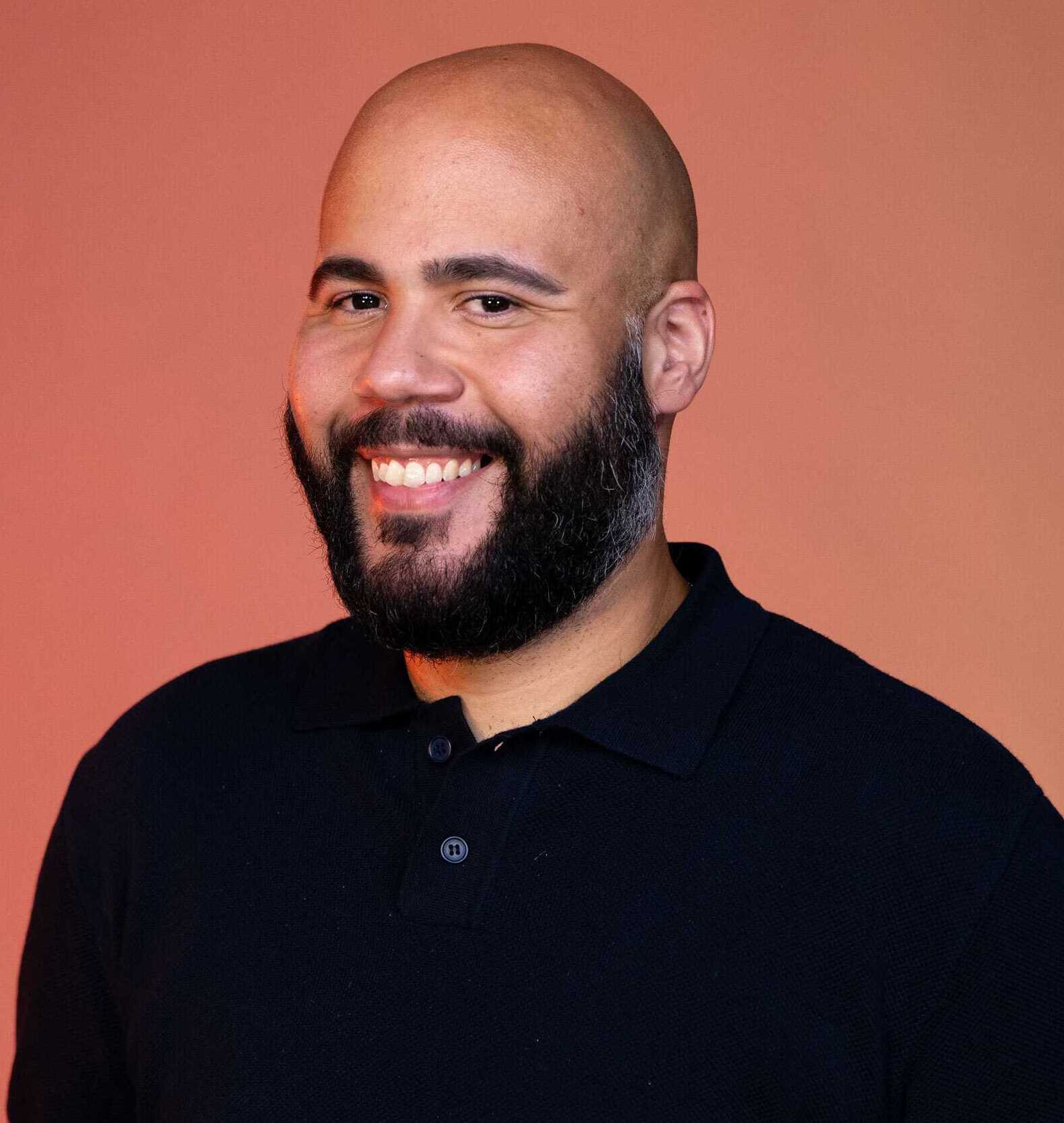
Torsten Slok, Apollo Global Management’s chief economist, is warning of the AI boom sucking up workers and capital expenditures from other parts of the economy that are becoming vastly more expensive for Americans to afford.
“AI’s rate-insensitive boom is triggering ‘Dutch disease’ in the U.S. economy by draining capital, power and labor from vulnerable sectors like housing and autos,” Slok wrote in a Friday blog post.
Dutch disease refers to the economic concept in which a sudden boom in one part of the economy slams into another with unintended consequences. Usually, the term has been used among economists to explain why oil-rich countries undergo a sharp increase in currency value, which harms export-heavy sectors like agriculture since trading partners can no longer afford to buy their goods.
Thanks for subscribing!
The money news that actually matters.
By signing up, you accept Moneywise Terms of Use, Subscription Agreement, and Privacy Policy.
Slok continued: “Trapped between inflation driven by the AI boom and weakness in rate-sensitive industries, the Fed will have to keep interest rates higher for longer,”
The ‘durable fix’ to AI’s Dutch disease
Slok argued that adjusting monetary policy alone isn’t enough to level out an imbalance in the U.S. economy. He offered one solution as a “durable fix,” which is to “expand the supply of power, chips and infrastructure” so bottlenecks are less likely when corporate appetite for AI-related equipment is going gangbusters.
Indeed, many experts have long attributed a slowdown in new home construction as a key factor causing housing’s longstanding affordability crisis. AI could be complicating the financial landscape for housing: Some economists have pointed out that private-sector spending on data centers and the supporting AI hardware surpassed residential housing investments for the first time in the second quarter of 2026.
In late May, Slok explained how he believed this data center buildout was different compared to other debt-heavy spending sprees. Chiefly, he pointed to how rising interest rates will do little to tame the appetite among hyperscalers to slow down their spending.
“It doesn’t matter what the Fed does,” Slok wrote at the time. “There is [fear of missing out] among hyperscalers, and AI spending is not sensitive to interest rates.”
Slok said investors weren’t expecting AI-related capital-expenditures to slow next year, even in an environment punctured by higher interest rates from the Federal Reserve. Prominent chief executives believe the same thing. JPMorgan Chase CEO Jamie Dimon recently predicted that AI spending could top $1 trillion next year, a sharp increase from the $700 billion level set this year among AI giants.
“The bottom line is that rates can continue to move higher because rate hikes are not slowing the economy and inflation, as the textbook would have predicted,” Slok wrote in May.
Must Read
- Jeff Bezos backs a platform that lets anyone invest in rental homes for as little as $100 — 6 ways to build wealth like a landlord without actually being one
- The tax breaks in Trump's 'big beautiful bill' expire after 2028. Here are 4 moves to make before the window closes
The Fed’s next move
Fed policymakers have signaled they believe there’s further room to raise interest rates since inflation has exceeded the central bank’s usual 2% target for over five years.
In addition to blaming the war in Iran, central bank officials have also attributed price increases to the splurge in AI spending that will not slow down anytime soon.
“The AI build out is potentially creating inflationary pressures that may not resolve very quickly,” Federal Reserve Governor Lisa Cook said at a New York Fed event earlier this month. “So I think this is one of the main things that concerns me right now for 2027.”
Investors had initially priced in the Fed would raise borrowing charges for the second time this year at their next two-day meeting on Oct. 28-29. But a weak September jobs report that showed employers adding only 29,000 jobs tempered those expectations.
Instead, about 83% of traders believe the Fed will keep rates level at the end of the month, according to CME Fed Watch, which tracks investors’ expectations.
You May Also Like
- Dave Ramsey warns nearly 50% of Americans are making 1 big Social Security mistake — here’s what it is and 3 simple steps to fix it ASAP
- A single line on your car insurance policy could be inflating your premium by up to 30% — here's what to change
Joseph Zeballos-Roig is a policy and politics journalist based in Washington D.C with a focus on economics. He is experienced in connecting the significance of events in the capital to the lives of everyday Americans whether its taxes, tariffs, interest rates or federal programs.