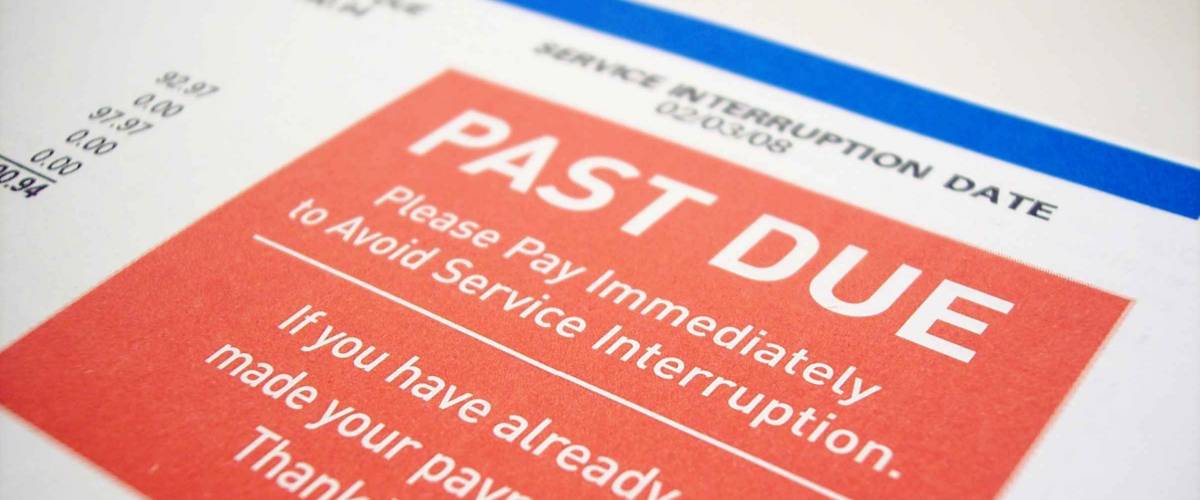
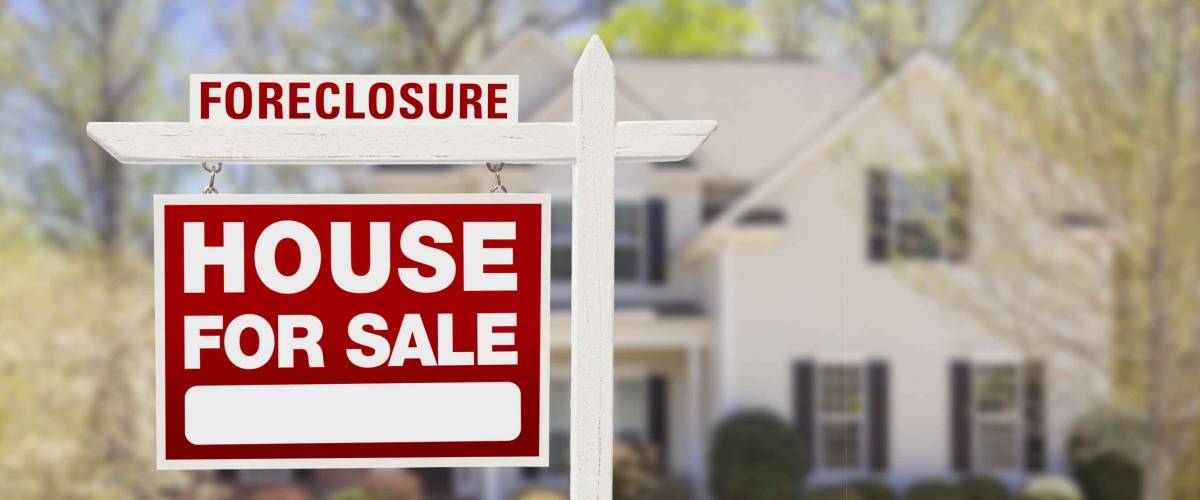
Many Americans are getting back on their feet after losing jobs or income due to the pandemic. Much to the relief of their lenders, more are keeping up with their mortgages.
Mortgage delinquency rates have fallen for several months and are at their lowest levels since the start of the pandemic, a new report shows.
But many Americans still aren’t back to work or have piled up huge amounts of debt, so they remain behind on their payments.
Thanks for subscribing!
Read the best of Moneywise in 5 minutes or less.
By signing up, you accept Moneywise Terms of Use, Subscription Agreement, and Privacy Policy.
Delinquencies still high, but rates are slowing
The economic recovery, while slow and uneven in parts of the country, has led to lower delinquency rates among borrowers. A mortgage is considered delinquent when it's at least 30 days past due.
Delinquencies have fallen for five months in a row, according to a new study from real estate data firm CoreLogic.
In January, the most recent month with available data, 5.6% of all U.S. mortgages were in some stage of delinquency or in foreclosure, CoreLogic says. That figure has been falling since August, but remains 2.1 percentage points higher than Jan. 2020.
"While delinquency rates are higher than we would like to see, they continue to decline," says Frank Martell, president and CEO of CoreLogic. "At the same time, foreclosure rates remain at historic lows. This is a good sign, and considering the improving picture regarding the pandemic and climbing employment rates, we are looking at the potential for a strong year of recovery."
Consumers struggling with multiple types of debt could take proactive steps to lower their load.
For example, if student loan debt is making it tough to keep current on your mortgage payments, explore whether you can refinance your student loans.
Must Read
- The ultra-rich use these 5 real estate strategies to build wealth while they sleep — you can start with just $100
- Here’s the average income of Americans by age in 2026. Are you keeping up or falling behind?
- Insurance companies profit most from drivers who auto-renew without shopping around. Comparing 100+ quotes takes 2 minutes and costs nothing
Join 250,000+ readers and get Moneywise’s best stories and exclusive interviews first — clear insights curated and delivered weekly. Subscribe now.
Experts worry about a spike in foreclosures
Despite the dip in delinquencies, nearly 3 million homeowners are behind on their mortgages, according to data from the U.S. Consumer Financial Protection Bureau.
If you’re a homeowner struggling to stay afloat, you may be on a forbearance plan where your lender is allowing you to pause your payments. Maybe that’s allowed you to pay other bills or take steps to reduce your overall debt.
Borrowers with federally backed mortgages have been able to put their payments on hold for up to 18 months, thanks to recent extensions. But when that forbearance expires, housing market observers worry about a potential spike in foreclosures.
“Millions of families are at risk of losing their homes to foreclosure in the coming months, even as the country opens back up," CFPB acting director Dave Uejio says.
The bureau this month proposed a set of rule changes to help prevent foreclosures as the federal protections expire.
One of the proposals would provide a special pre-foreclosure review period that would generally prohibit servicers from starting on any foreclosure until 2022.
Get help before your debt becomes overwhelming
Nearly 1.7 million borrowers will exit forbearance programs beginning in September, with many of them a year or more behind on their mortgage payments, the CFPB says.
If you're a borrower who may find yourself needing of help, there are steps you can take to lower your monthly payments.
Could you refinance? Typical mortgage rates are below 3% again, and 13 million homeowners could save an average $283 a month by taking out new loans, says the mortgage data and technology firm Black Knight.
If you’re ready to pull the trigger on a mortgage refi, gather and compare rates from at least five lenders to find the best deal in your area.
Use those same comparison shopping skills to save on other housing costs. When your homeowners insurance policy comes up for renewal, review rate quotes from multiple insurers to look for a lower price on your coverage.
Finally, try to bring in some extra cash through the record-breaking stock market. Use a popular app that helps you earn returns by simply investing your investing your "spare change."
You May Also Like
- JP Morgan sees gold hitting $6,000/oz before 2027 — and a Gold IRA lets you hold the physical metal while deferring the tax bill. Get your free guide from Priority Gold
- Dave Ramsey warns nearly 50% of Americans are making 1 big Social Security mistake — here’s what it is and the simple steps to fix it ASAP
- Thanks to Jeff Bezos, you can now become a landlord for as little as $100 — and no, you don't have to deal with tenants or fix freezers. Here's how
- Millionaires under 43 are reshaping investing — just 25% of their portfolios are in stocks. Here’s where their money is going
Nancy Sarnoff is a freelance contributor with Moneywise. Previously, she covered commercial and residential real estate for the Houston Chronicle where she also hosted Looped In, a podcast about the region’s growth, development and economy. Her work has been recognized by the National Association of Real Estate Editors and the Society of American Business Editors and Writers.