• Discounts and special offers
  • Subscriber-only articles and interviews
  • Breaking news and trending topics

Already a subscriber?

By signing up, you accept Moneywise's Terms of Use, Subscription Agreement, and Privacy Policy.

Not interested ?

Retirement
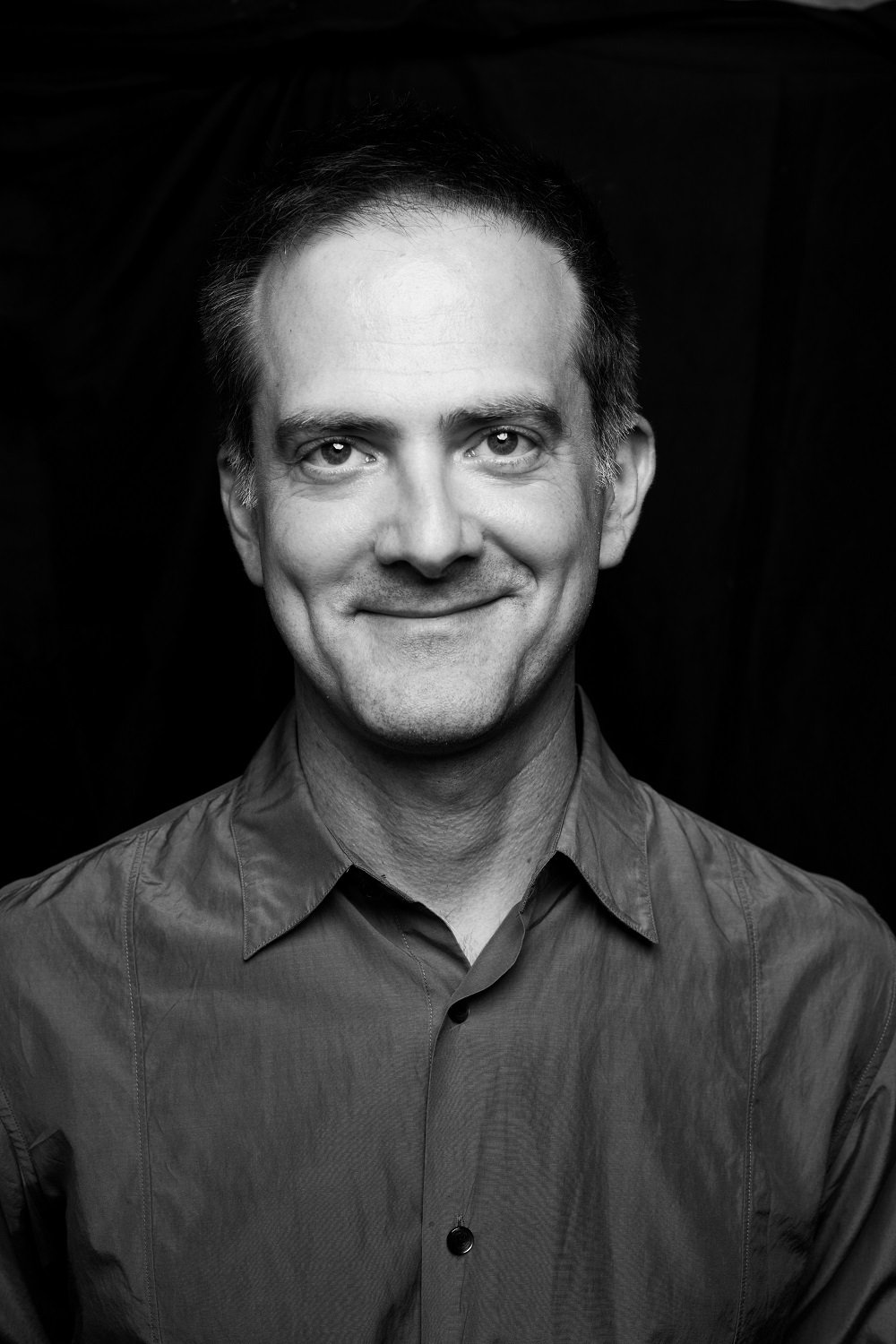
Young man seen talking directly to camera from home office. Ari Taublieb, CFP/YouTube

‘What I wish I knew’: Here are the top 5 retirement regrets this California financial adviser says he sees — plus how you can avoid them

As much as retirement promises a chance to pick up on passion projects and cozy up to that glorious nest egg, for some it marks a season of regret.

Ari Taublieb, describes the phenomenon like this in a recent YouTube video entitled “What I knew before I retired”: “I wish I had done X; if only I had set up Y; why didn’t I do Z?”

Advertisement

If the fresh-faced Taublieb looks a tad young to tick off the ABCs of retirement then no wonder; he graduated from the University of Puget Sound in 2018 and got his combined MBA/CFP in 2022. In fact, he bills himself as “the youngest financial planner who loves retirement planning.” But the Los Angeles-based financial planner certainly punches above his weight in the age-meets-wisdom category. Here are five regrets highlighted in his video and strategies to avoid them.

Regret one: a too-late transition to retirement

The key to putting regrets in perspective lies in “understanding what you care about the most,” Taublieb says. Regret number one — transitioning too late to retirement — centers on how people stumble when they try to plan how to spend newly acquired free time.

“Don’t feel you need to have it totally figured out but practice retirement today,” he advises.

Even if you’re in your early 50s, visualize what retirement will look like and how you’ll pass the days. That’s smart advice, as 2022 time usage figures from the U.S. Bureau of Labor Statistics show that people aged 65 to 74 have seven hours of free time daily for leisure and sports.

Must Read

Join 250,000+ readers and get Moneywise’s best stories and exclusive interviews first — clear insights curated and delivered weekly. Subscribe now.

Regret two: not starting high-level strategies earlier

By this, Taublieb means that retirees must account for their different income sources and how they play off each other: Social Security, IRAs, brokerage accounts and pensions among them.

To enter a lower tax bracket, for example, Taublieb cites the example of moving money from an IRA to a Roth IRA. Sorting out accounts, though, is at least a good problem compared to the deep regret among more than 1-in-4 retirees. Roughly 28% report no retirement savings at all, according to the U.S. Federal Reserve.

Regret three: not open to changing strategies

Whether you stick with a consistently bad stock or fail to rebalance your portfolio, close mindedness threatens to leave you in the lurch come retirement time. Taublieb contends what’s worse is how rollercoaster investment performance drawn out over decades, combined with an inflexible attitude, can impact your health.

Thus there’s an irony in how saving for a long life can shave time off of it if your strategy brings on lots of stress.

Advertisement

“One thing to consider is [whether] you need a different plan because of the stage of life you’re going into,” he says.


Read More: Dave Ramsey says this 7-step plan ‘works every single time’ to kill debt, get rich in America — and that ‘anyone’ can do it

Regret four: taking your eyes off the prize

Whether people sell stocks in a downmarket panic or neglect to pull back their income to avoid a higher tax bracket, the failure to be cost-conscious can lead to face-plant-in-the-palm moments.

But as regret can cut both ways, Taublieb sometimes advises pre-retirement clients to accept a higher-paying job and jump brackets if it means more life satisfaction.

He also touches on diversification. He doesn’t believe in tips on a single stock because “I’d rather own thousands of companies because the reality is, none of us knows what’s going to do really, really well.”

Indeed, calculations by Vanguard show that a 60/40 stocks-to-bonds portfolio had an annualized return for the 10 years through 2022 of 6.1%.

Regret five: putting off difficult decisions

Taublieb calls this the biggest regret of all: “The last thing I want is for you to pass away with millions of dollars, saving and investing well, but not getting to enjoy the fruits of what you worked so hard for.”

A successful life and not a pot of money should be the end goal, he says. And while Taublieb remains decades from retirement, take note: He says these regrets came straight from the mouths of his retirement-age clients.

You May Also Like

Share this:
Lou Carlozo Freelance writer

Lou Carlozo is a freelance contributor to Moneywise.

more from Lou Carlozo

Explore the latest

Disclaimer

The content provided on Moneywise is information to help users become financially literate. It is neither investment, tax nor legal advice, is not intended to be relied upon as a forecast, research or investment advice, and is not a recommendation, offer or solicitation to buy or sell any securities, enter into any loan, mortgage or insurance agreements or to adopt any investment strategy. Tax, investment and all other decisions should be made, as appropriate, only with guidance from a qualified professional. We make no representation or warranty of any kind, either express or implied, with respect to the data provided, the timeliness thereof, the results to be obtained by the use thereof or any other matter. Advertisers are not responsible for the content of this site, including any editorials or reviews that may appear on this site. For complete and current information on any advertiser product, please visit their website.

†Terms and Conditions apply.