Buying a home can be intimidating for just about anyone. But many younger millennials don't even try, because they assume that their student loan debt and limited job experience mean they can't possibly own real estate.
That's nonsense, says Tenpao Lee, professor of economics at Niagara University. "The key is to demonstrate that you are able to make your monthly payment, that your credit card bills are paid on time, and that you do not have too much debt."
Here are three secrets to getting a mortgage in your price range when you're young and don't have much money. You may find it’s even cheaper than renting.
1. Get a loan with no down payment
A no-down-payment VA loan is available to active service members.
Most mortgage lenders want you to make a 20% down payment and will require you to buy private mortgage insurance, or PMI, if you can't meet that threshold. PMI protects the lender if you stop making payments.
But a Zillow survey found 3 in 5 millennial homebuyers can't afford to put 20% down. If that's you, don't worry that you'll be stuck renting for years. Believe it or not, a few mortgage programs require zero down payment to get started.
- Veterans and active U.S. service members qualify for a VA (Veterans Affairs) mortgage. No down payment is needed, and you can get a loan with any credit score.
Find a VA lender: Check your eligibility with Veterans United Home Loans.
-
Looking to buy in a rural or suburban area? The U.S. Department of Agriculture requires no down payment for its USDA loans for low-income buyers with at least a 640 credit score.
-
Navy Federal Credit Union offers its own no-down-payment mortgage.
Note that with these mortgages offering 100% financing, you must still pay closing costs.
Must Read
- Dave Ramsey warns nearly 50% of Americans are making 1 big Social Security mistake — here’s what it is and the simple steps to fix it ASAP
- Robert Kiyosaki begs investors not to miss this ‘explosion’ — says this 1 asset will surge 400% in a year
- Vanguard reveals what could be coming for U.S. stocks, and it’s raising alarm bells for retirees. Here’s why and how to protect yourself
Join 250,000+ readers and get Moneywise’s best stories and exclusive interviews first — clear insights curated and delivered weekly. Subscribe now.
2. Make just a small down payment
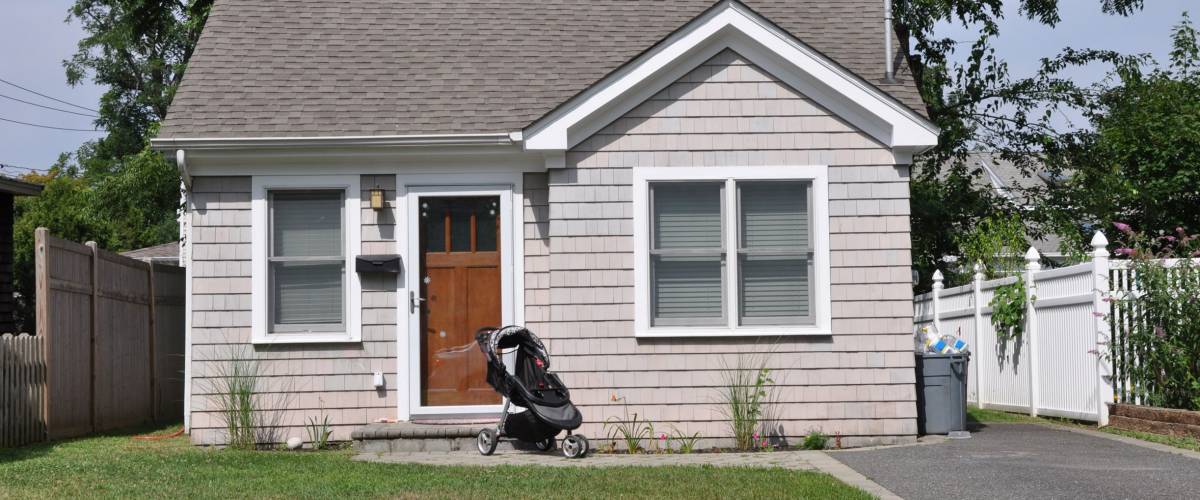
An FHA mortgage is great for getting into a starter home.
Millennial homebuyers who don’t qualify for the zero-down-payment mortgages might turn next to the FHA (Federal Housing Administration) loan program. It allows you to purchase a house with as little as 3.5% down.
On a modest starter home costing $100,000, that’s just $3,500, which might be what you'd pay for the security deposit and first month's rent on an apartment. So, open a savings account and start putting that down payment money aside.
FHA loans do require you to pay some mortgage insurance — including a 1.75% upfront premium — and for inspections, but you can roll the additional costs into your loan amount.
Plus, you're allowed to ask the seller to help with your closing costs, up to 6% of the home's sale price. Take a look at today's best mortgage rates.
3. Crank up your credit score
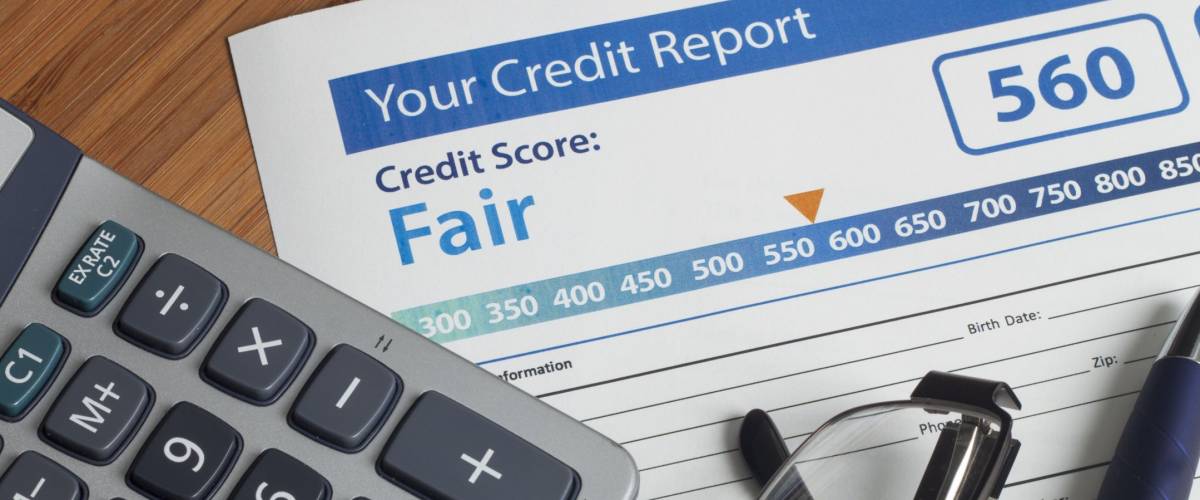
Raising your credit score can help you get a mortgage on more affordable terms.
You might land a mortgage on more affordable terms if you have a great credit score. If you don’t know yours, it's easy enough to check your credit score for free.
Part of the homebuying process is managing existing debt so that monthly expenses are easier to handle. "Your income should support the amount you expect to pay in mortgage, taxes, interest and other expenses," says Lee. "You should have a plan to balance your cash inflow and cash outflow."
A personal loan from a provider such as Credible can match you with potential loan offers that cant consolidate debt into a single monthly payment. Refinancing debt at a lower interest rate can save thousands of dollars over time — which is more money that can go toward your dream home.
If an offer on a house doesn’t go through on the first try, the house-hunting process can put you in the mindset of cutting back on spending and paying down debt, which can only be good things.
You May Also Like
- Turning 50 with $0 saved for retirement? Most people don’t realize they’re actually just entering their prime earning decade. Here are 6 ways to catch up fast
- This 20-year-old lotto winner refused $1M in cash and chose $1,000/week for life. Now she’s getting slammed for it. Which option would you pick?
- Warren Buffett used these 8 repeatable money rules to turn $9,800 into a $150B fortune. Start using them today to get rich (and stay rich)
- Here are 5 easy ways to own multiple properties like Bezos and Beyoncé. You can start with $10 (and no, you don’t have to manage a single thing)
Shannon Quinn was formerly a freelance contributor to Moneywise. Quinn is an entrepreneur and writer from the Philadelphia area.
Employment • Dec 29