Jul 7, 2023
A shocking number of Americans do not have the cash to cover an unexpected $400 expense — and many are relying on credit cards, loans, or even their retirement savings to make up their shortfall.
Too many American households struggle to deal with an emergency expense, according to personal finance guru Suze Orman — and it’s not just low-income families who have been hit particularly hard by inflation and rising interest rates.
Don't miss
- Jeff Bezos and Oprah Winfrey invest in this asset to keep their wealth safe — you may want to do the same in 2023
- Want to invest your spare change but don't know where to start? There's an app for that
- Here's how much the average American 60-year-old holds in retirement savings — how does your nest egg compare?
“When it comes to money, you can be vulnerable making $200,000 a year, believe it or not,” Orman told Moneywise in a May 16 interview — especially if people don’t live within their means and understand the true need for building and maintaining an emergency fund to cover unexpected costs like urgent car repairs or medical bills.
Advertisement
And there's new data that shows many Americans aren't prepared for those emergency expenses. One in four (26%) of American drivers say they would not be able to pay for a $500 repair job if their car broke down tomorrow, according to a study from car insurance company Jerry. More than a third of drivers (37%) say they couldn’t cover a $1,000 repair job, and more than half (58%) couldn’t pay $3,000.
Americans who have let their rainy day funds run dry “have a financial tornado or hurricane coming their way,” according to Orman.
Here's why it's so important to build that emergency fund before disaster strikes — and it's easier than you think.
Must Read
- Dave Ramsey warns nearly 50% of Americans are making 1 big Social Security mistake — are you doing the same?
- Thanks to Jeff Bezos, you can now become a landlord for as little as $100 — and no, you don't have to deal with tenants or fix freezers. Here's how
- Robert Kiyosaki says this 1 asset will surge 400% in a year and begs investors not to miss this ‘explosion’
Join 250,000+ readers and get Moneywise’s best stories and exclusive interviews first — clear insights curated and delivered weekly. Subscribe now.
Everything is far more expensive
A recent report from SecureSave revealed the alarming impact high inflation and rising costs are having on Americans’ savings, with a staggering 67% of Americans unable to cover an unexpected $400 expense.
“Inflation makes everything far more expensive,” says Orman. “It’s not just the eggs or the chicken [...] but your car insurance premiums, your home insurance premiums, property taxes, everything.”
Covering an unexpected expense on top of that is just too much for many American households — especially for the 74% who claim to be living paycheck to paycheck, according to the SecureSave survey.

Advertisement
“You don't have any money saved,” says Orman. “You have nothing, and then something hits you — and what do you do? You put it on your credit card, you can't pay it in full.”
It’s the “worst time right now” to wrack up a lot of credit card debt because of how far the Feds have hiked interest rates in the past year, according to Orman.
Instead, she encourages people to take advantage of an employer-sponsored emergency savings account, or ESA — a workplace plan that deducts a small amount of money from your monthly paycheck to create an emergency fund. Often employers will incentivize uptake by matching your contributions.
Watch Now: Full interview: Suze Orman and Devin Miller delve into why so many Americans aren't prepared for their next financial emergency — and how to change that
Emergency saving accounts
Orman — who co-founded SecureSave to help individuals build emergency savings through an employer benefits platform — says having money in an ESA can help you to keep up your mortgage and auto loan payments — and it can stop you running up “crushing” high-interest credit card debt.
“This is the starter block,” she says. “Obviously, we don't expect that you have eight to 12 months of an emergency fund. This is where you start to learn how to save.”
Advertisement
Orman’s hope is to “change the saving habits of everybody in this world.”
She says that once people learn what it feels like to be financially secure — and they enjoy that feeling — they will apply that learning to other areas of saving or retirement planning, such as signing up for a Roth IRA or 401(k) plan.
“The place to start is with an emergency savings account, especially with your employer matching it, [so] that you can take care of the little things that totally put you out of sync with everything else,” she says.
The results speak for themselves, according to SecureSave CEO and co-founder Devin Miller, who joined Orman in speaking to Moneywise on May 16.
The average SecureSave user saves an average of $103 a month toward an ESA, reaching $400 after four months of saving.
Advertisement
“That doesn't sound like a lot, but the average emergency … is maybe only a couple hundred dollars,” says Miller. “Very small things will trigger this big negative snowball in people's financial lives — and so creating that starting point of saving is so critical.”
Read More: Dave Ramsey says this 7-step plan ‘works every single time’ to kill debt, get rich in America — and that ‘anyone’ can do it
‘Ripple effects across the economy’
“When families’ emergency savings are depleted, it has ripple effects across our economy,” warns Orman.
This is especially true if Americans feel the need to raid their retirement savings to cover an emergency expense — something personal finance experts have deemed one of the worst financial fumbles.
The SecureSave survey found that 61% of Americans either stopped contributing to their retirement savings , or never had retirement savings at all, as a result of their financial situation. Of those that did have a retirement fund, 47% have stopped contributing amid spikes in inflation and interest rates.
“If you want to help people be better prepared for retirement, they need to have more liquid savings that they can go to,” says Miller. “We need to get people better involved in retirement accounts at work, keep money in those accounts … and the best way to do that is to get that extra separate bucket of dollars for emergencies.”
Getting Americans engaged with ESAs is “probably the biggest bang for the buck” that employers can do to both improve long-term retirement readiness but also improve people's day-to-day ability to withstand financial shocks, according to Miller.
“That's going to create a tremendous positive domino effect for our society,” he adds.
You May Also Like
- Turning 50 with $0 saved for retirement? Most people don’t realize they’re actually just entering their prime earning decade. Here are 6 ways to catch up fast
- Inside a $1B real estate fund offering access to thousands of income-producing rental properties — with flexible minimums starting at $10
- Vanguard’s outlook on U.S. stocks is raising alarm bells for retirees. Here’s why and how to protect yourself
- Here are 5 easy ways to own multiple properties like Bezos and Beyoncé. You can start with $10 (and no, you don’t have to manage a single thing)

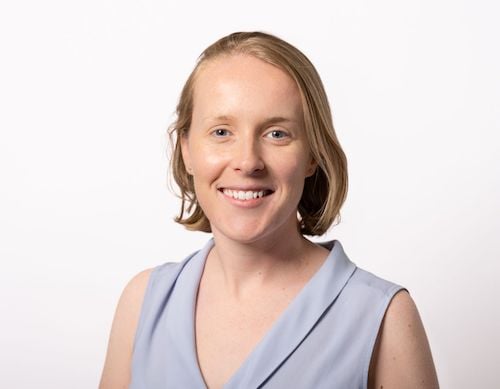
Bethan Moorcraft is a reporter for Moneywise with experience in news editing and business reporting across international markets.














-1741291165.png)