The post popped up on Indeed.com in mid-May, shimmering like the 18-karat gold World Cup itself.
Job: Chief World Cup Watcher. Employer: Fox One. Salary: $50,000. Duties: Watch the entire tournament — 104 matches over 39 days — in a “custom built, dream viewing” glass box in Times Square, and post about it across multiple channels. Meals included.
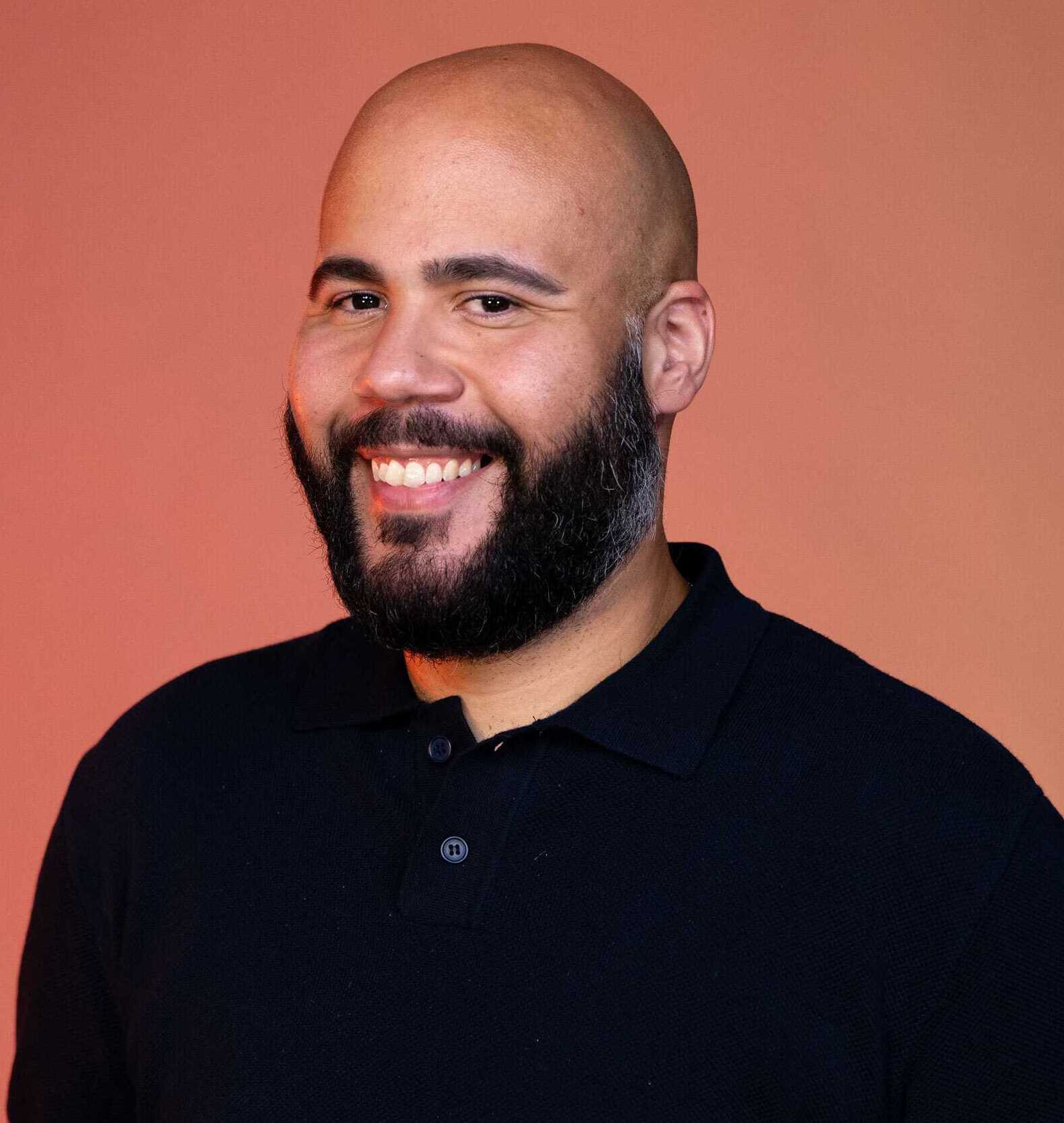
More than 6,000 people applied, but only two got the job: soccer superfans Kevin Akoto, 26, of Jacksonville, Florida, and Austin Franklin. It looked like they’d scored golden tickets to the FIFA event, and a golden opportunity to raise their status as sports influencers.
Thanks for subscribing!
The money news that actually matters.
By signing up, you accept Moneywise Terms of Use, Subscription Agreement, and Privacy Policy.
What was in it for Fox? To pull in younger viewers via the pair’s social media posts, as 41% of Gen Zers don’t watch live TV today. Akoto reportedly has 167,000 TikTok followers, and Franklin, 206,000.
“The more behind-the-scenes stuff is how people are consuming sports content,” Akoto told Reuters.
But Akoto and Franklin learned that all that glitters is not gold. Here’s what they lost in order to gain a social following.
The reality of being a social star
As the Washington Post revealed, Akoto and Franklin were thrust into public view in a glass box in Times Square every day of the World Cup.
They were literally “on” from 10 a.m. to 2 a.m., watching games and watching fans watching them through the glass walls. Including while they ate meals and snacks delivered to them.
“It makes you appreciate zoo and aquarium animals more,” Akoto told the New York Post, describing the situation as a ‘’fishbowl.”
On top of that, they had to generate non-stop social content. Their only breaks were running to a nearby bathroom, grabbing a meal with the Fox crew or some shut-eye at their hotel nearby.
“I’ve gotten worn down, Austin’s gotten a bit worn down,” Akoto told the BBC midway through the tournament.
“It is a total marathon,” Franklin added. “It’s a relatively easy job, I’m sitting on a couch watching football, but it has been tiresome and I’m making sure I’m getting my eight hours when I can.”
Many World Cup fans dropped thousands of dollars for individual matches, but Akoto dropped something more financially significant: his job as a line cook in Florida.
“At this time next week, I don’t know what I’ll be doing. That’s frightening,” he told the Post, adding that he planned to talk to his former employer about getting his job back.
Must Read
- The ultra-rich use these 5 real estate strategies to build wealth while they sleep — you can start with just $100
- Here’s the average income of Americans by age in 2026. Are you keeping up or falling behind?
- Insurance companies profit most from drivers who auto-renew without shopping around. Comparing 100+ quotes takes 2 minutes and costs nothing
Join 250,000+ readers and get Moneywise’s best stories and exclusive interviews first — clear insights curated and delivered weekly. Subscribe now.
Beware giving up your day job to become a full-time influencer
Giving up a secure salary for an uncertain career in content creation is financially risky. The Influencer Marketing Factory surveyed 1,000 content creators in the U.S. aged 18 to 65 for its 2026 Creator Economy Report.
While the average salary is $44,000 a year, nearly half (48.7%) of them reported making less than $10,000 in 2025. Another 45.6% earn between $10,000 and $100,000 with a small portion (5.7%) making more than $100,000 a year.
For Akoto and Franklin, having a guaranteed $50,000 check to make content for the World Cup was appealing, but not everyone can afford to take time off work and away from their family, let alone quit a job, to make content full time.
And if like them, you want to get into sports content creation, you’re in a highly competitive sector — competing against pro athlete influencers like LeBron James, Tom Brady, Serena Williams and Stephen Curry.
There are successful sports influencers like the comedy group Dude Perfect, with 62.4 million YouTube subscribers, but they built up their following over a decade.
Unless you go viral, you need to invest time into building a social following before you even have a chance of seeing real movement. It can take four months to gain engagement, six months to build brand awareness and traffic and longer to see a return on your investment.
And while the slow and steady approach may not be as exciting as sitting in a glass cube in Times Square, it is certainly a lot calmer.
You May Also Like
- JP Morgan sees gold hitting $6,000/oz before 2027 — and a Gold IRA lets you hold the physical metal while deferring the tax bill. Get your free guide from Priority Gold
- Dave Ramsey warns nearly 50% of Americans are making 1 big Social Security mistake — here’s what it is and the simple steps to fix it ASAP
- Thanks to Jeff Bezos, you can now become a landlord for as little as $100 — and no, you don't have to deal with tenants or fix freezers. Here's how
- Millionaires under 43 are reshaping investing — just 25% of their portfolios are in stocks. Here’s where their money is going
Laura Boast is a Senior Reporter with Moneywise.com and a lifelong content creator who has reached international audiences at Discovery, CBC, Blue Ant Media, Bond Brand Loyalty and more.