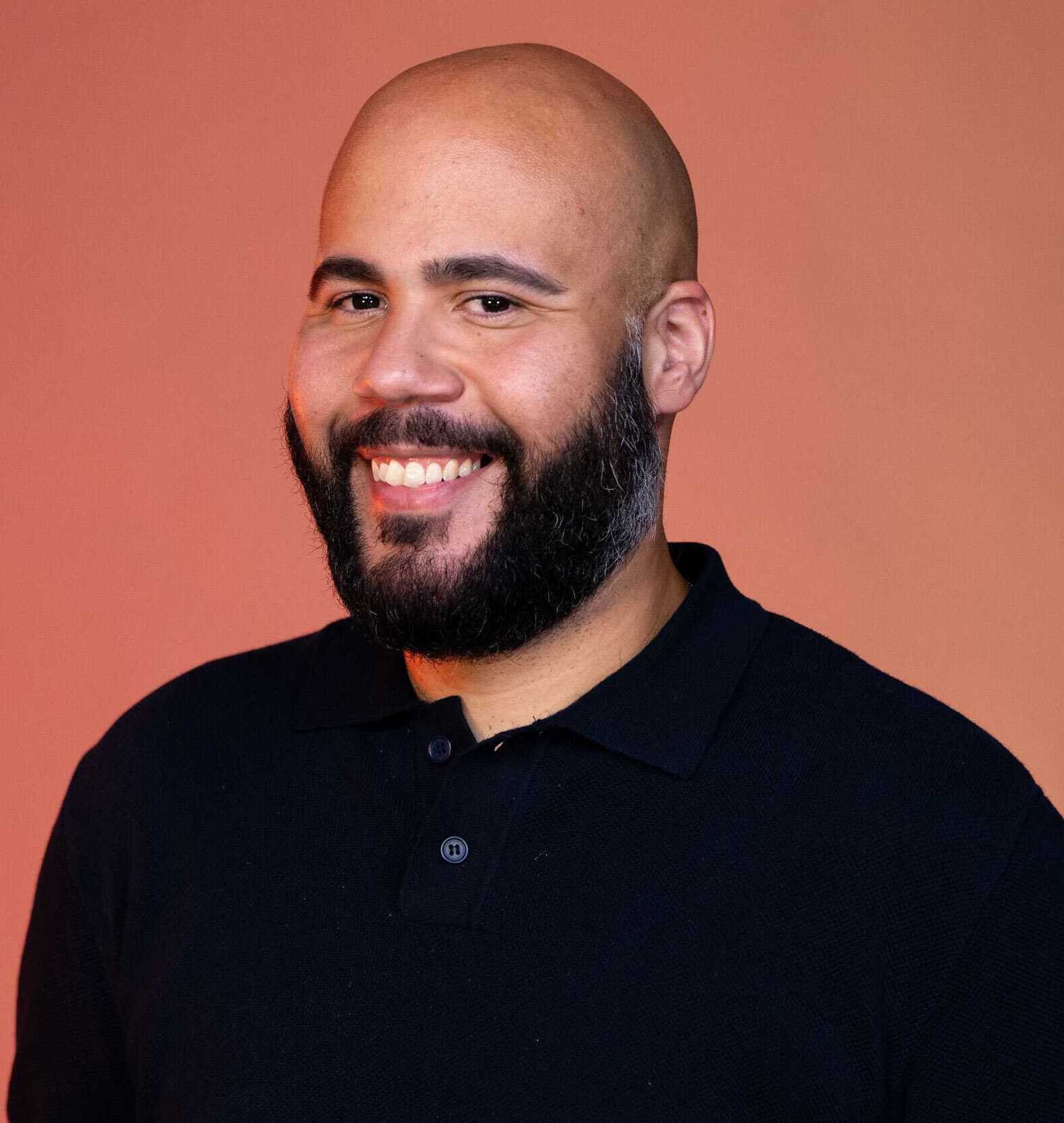
A New Jersey mom quit her six-figure corporate job more than two decades ago to pursue her sky-high childhood dream of becoming a pilot. Achieving this meant taking quite the pay cut and dedicating several years of her life to learn to fly.
Today, Carole Hopson is 62, and is a Boeing 737 captain for United Airlines, piloting a 100,000-pound plane. She is one of the oldest Black female aviators in the tristate area, among just about 1.6% of Black female aircraft pilots and just 5.7% of female pilots who hold Airline Transport Pilot (ATP) certificates — the highest level of pilot certification.
She’s an anomaly in an industry that’s 95% composed of men. And her success is an example that it’s never too late to follow your dream.
Thanks for subscribing!
The money news that actually matters.
By signing up, you accept Moneywise Terms of Use, Subscription Agreement, and Privacy Policy.
“I always wonder if the 25-year-old me would be proud of the woman I am today,” she told the New York Post from the cockpit, parked in Newark Liberty International Airport. “And the answer is yes.”
She traded a six-figure salary for $16 an hour and a dream
Hopson remembers being just four years old, lying in the grass with her grandmother, looking up at the planes in the sky and thinking to herself: “Oh my goodness, that’s just something I have to do.”
Before taking command of commercial flights, Hopson held lucrative executive positions in the NFL, Foot Locker and L’Oréal. She told the New York Post that she was “ready to quit [her] job and become a pilot on the spot” after taking her first flight lesson in 1992. But her husband, Michael, encouraged her to develop an exit strategy instead.
“We figured flight training would cost around $150,000 — so I started saving,” she said.
Marriage, motherhood, a mortgage and the cost of training repeatedly pushed her dream further down the runway. The September 11 terrorist attacks further set back her plans. But Hopson eventually left her corporate career at L’Oréal in the early 2000s, and earned her flight instructor certificate.
After leaving L’Oréal, she began teaching recreational pilots at Essex County and Morristown airports. The transition, however, meant leaving behind a comfortable salary for considerably less money.
“I was only making $16 an hour, and I only worked when my kids were at school or asleep,” she told the New York Post. “But even without a huge income, I was the happiest I’d ever been in life.”
By 50, Hopson decided she wasn’t willing to give up on becoming a commercial pilot.
“I was still determined to make it happen,” she said, earning her Airline Transport Pilot certificate, acquiring additional qualifications and eventually flying for regional carrier ExpressJet.
In 2018, at 54, she landed a job with United Airlines. Four years later, she became a captain.
While airline pilots typically begin as first officers, and compensation increases with experience and seniority, there’s significant potential financial upside of making a career transition like Hopson’s.
According to the Bureau of Labor Statistics, the median annual wage for airline pilots, copilots and flight engineers was $232,140 in May 2025.
The highest-paid 10% of airline pilots earned more than $463,830 annually, while the lowest-paid 10% earned less than $106,710. For perspective, the median annual wage across all U.S. occupations was $50,980.
The BLS also projects employment for airline and commercial pilots to grow 7% between 2025 and 2035, with approximately 16,400 openings expected annually, pointing to potential demand and financial security.
Still, the time required to accumulate flight hours, earn certifications and secure an airline position can make the investment take years to recoup.
Must Read
- Jeff Bezos backs a platform that lets anyone invest in rental homes for as little as $100 — 6 ways to build wealth like a landlord without actually being one
- The tax breaks in Trump's 'big beautiful bill' expire after 2028. Here are 4 moves to make before the window closes
A new FAA age rule creates a catch for late starters
For anyone considering following Hopson’s example, there’s another important financial consideration: age restrictions.
Under current Federal Aviation Administration regulations, pilots working for major commercial airlines operating under Part 121 cannot serve as flight crew after turning 65. That means Hopson, who is now 62, has a limited number of years remaining before reaching mandatory retirement age at United.
Federal law also allows certain qualifying air carriers operating under other covered operations to elect a higher age limit of 70. However, that provision does not change the age-65 restriction applicable to most traditional major-airline operators.
Hopson is now working to make aviation more accessible to younger generations, so those interested can get into the industry long before she did. For example, she founded the Jet Black Foundation, which aims to help 100 Black women attend flight school by 2035.
Her advice to women contemplating a major career change is simple: “You can have it all. It’s just hard to have it all at the same time.” She added that “it doesn’t matter when you bloom — it just matters that you bloom.”
You May Also Like
- Dave Ramsey warns nearly 50% of Americans are making 1 big Social Security mistake — here’s what it is and 3 simple steps to fix it ASAP
- A single line on your car insurance policy could be inflating your premium by up to 30% — here's what to change
AnnaMarie Houlis is a journalist and author with more than 15 years of experience, thousands of bylines and four books covering everything from travel, lifestyle and wellness to finance, technology and business.