Follow us on Google for more Moneywise news
Add us on GoogleAmerican billionaire and sports magnate Mark Walter — owner of the Los Angeles Dodgers, Lakers and Sparks, the entire Professional Women’s Hockey League and a stakeholder in Chelsea FC — presides over one of the most enviable empires in athletics.
But now, reports say that authorities are calling a foul on alleged potential insurance fraud by other companies tied to Walter.
Delaware Life Insurance Co. and Clear Spring Life and Annuity Co. are under parallel investigations by the Securities and Exchange Commission and the U.S. Attorney’s Office in Manhattan, according to the Wall Street Journal (WSJ), over billions of dollars in loans “extended to companies tied to Walter or his conglomerate, TWG Global.” The latter also holds the controlling stakes in both insurance companies, the outlet added.
Thanks for subscribing!
The money news that actually matters.
By signing up, you accept Moneywise Terms of Use, Subscription Agreement, and Privacy Policy.
The investigation revolves around the growing practice of life insurers chasing higher yields and diversification via private credit investments — which gained prominence in the fallout of the 2008 financial crisis. Investigators are reportedly looking into the billions that Delaware Life Insurance Co. and Clear Spring Life and Annuity Co. — which control about $85 billion in funds — invested in other Walter-owned companies.
In June regulatory filings, the two companies noted that “errors were identified related to the identification and presentation of certain related-party investments,” according to WSJ — an understatement given they upgraded an original estimate of $1 billion in affiliated investments to a whopping $16 billion.
Adding an extra layer to the story is that the whole investigation only came about thanks to an internal whistleblower complaint.
Regulatory scrutiny expands as private credit risks come into focus
Bloomberg previously reported that an internal whistleblower spurred the scrutiny on Walter’s business empire.
The initial complaint focused on the global investment firm Guggenheim Partners — co-founded by Walter in 1999 — including “representations the company made to outside parties about its revenue.”
The Los Angeles Times reported that “the majority of the money used to buy the Dodgers — more than $1 billion — came from insurance companies managed by Guggenheim Partners and controlled by Walter.”
The investigation, however, cascaded down to Delaware Life Insurance, Clear Spring Life and Annuity and TWG Global. Grand jury subpoenas went out to both insurance companies in February, though multiple outlets noted that such investigations often yield little action.
Both the SEC and the U.S. Attorney’s Office in Manhattan declined Moneywise’s request for comment. Neither the FBI, TWG Global, Delaware Life Insurance nor the insurers’ parent company, Group 1001, returned Moneywise’s request for comment.
Still, the wider industry is raising questions about insurance companies offering private credit investments. The National Association of Insurance Commissioners (NAIC) most recently wrote on July 24 that “in addition to illiquidity, pricing difficulties, and lack of transparency, there are additional risks that can potentially arise as private credit lending continues to grow and evolve in the coming years.”
And trade publication Insurance Business Magazine noted that Moody’s “warned that U.S. life insurers’ private credit push is creating liquidity and concentration risks, with the top 10 carriers alone holding $352 billion of the industry’s private illiquid bonds.” The WSJ added that regulators “are starting to take more interest in the opaque world of private credit.”
Still, others like Julian Morris, a senior scholar with the International Center for Law & Economics and Lawrence Powell, director of the Alabama Center for Insurance Information and Research, co-authored a June paper with the key finding that “insurers holding more private debt are not financially weaker than their peers, and increases in private-debt exposure within firms are not associated with higher estimated insolvency risk during the sample period.”
Meanwhile, a July 2026 Marsh survey found that 65% of U.S. insurers plan to increase private investment allocations.
Must Read
- The ultra-rich use these 5 real estate strategies to build wealth while they sleep — you can start with just $100
- Here’s the average income of Americans by age in 2026. Are you keeping up or falling behind?
- Insurance companies profit most from drivers who auto-renew without shopping around. Comparing 100+ quotes takes 2 minutes and costs nothing
Join 250,000+ readers and get Moneywise’s best stories and exclusive interviews first — clear insights curated and delivered weekly. Subscribe now.
What policyholders should know about the impact on their coverage
Amid this debate, policyholders want to know that the money they’ve paid into insurance companies for coverage is going to be there when they need it.
Dr. Michel Léonard, CBE, chief economist and data scientist with the Insurance Information Institute (Triple-I), told Moneywise that “the money is there” when it comes to insurers and policy payouts.
“We have a policyholder surplus that is set and enforced in conjunction with our regulators at the state level,” he added. “And all claims currently on the book have capital to be paid. With an added stress test and so forth. So not only will we pay, but we will pay even if there’s a massive wildfire … or if we have a repeat of Katrina and so forth.”
Léonard explained that even if an insurance carrier went under — which he emphasizes is “very rare” — they have protection that ensures that money is available.
“There’s never been a situation where the claims didn’t continue, uninterrupted, to be paid. In some cases it went into the state, but it was always paid.”
That said, Léonard acknowledged that policyholders need to know that they will be covered if the need arises. He suggests keeping an eye on developments and that, if you discover that your insurer is experiencing financial troubles, consider switching when a renewal comes up.
“You shouldn’t think right away, ‘Oh, I’m moving,’” he added. “But you certainly want to consider it. It’s important to monitor the situation [while] knowing that you don’t have to lose sleep if something happens.”
You May Also Like
- JP Morgan sees gold hitting $6,000/oz before 2027 — and a Gold IRA lets you hold the physical metal while deferring the tax bill. Get your free guide from Priority Gold
- Dave Ramsey warns nearly 50% of Americans are making 1 big Social Security mistake — here’s what it is and the simple steps to fix it ASAP
- Thanks to Jeff Bezos, you can now become a landlord for as little as $100 — and no, you don't have to deal with tenants or fix freezers. Here's how
- Millionaires under 43 are reshaping investing — just 25% of their portfolios are in stocks. Here’s where their money is going
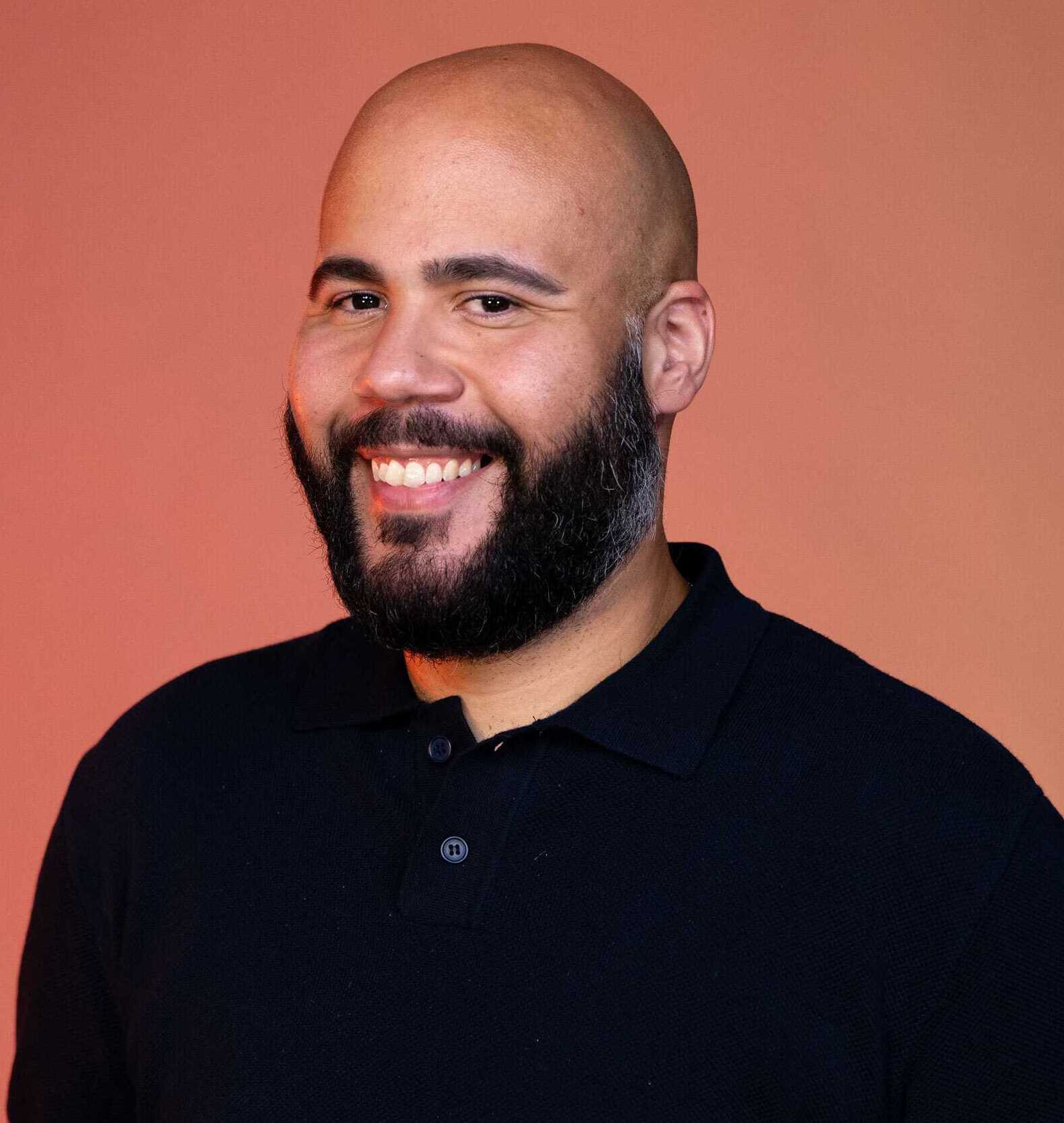
Mike Crisolago is a Sr. Staff Reporter at Moneywise with nearly 20 years of experience working as a journalist, editor, content strategist and podcast host. He specializes in personal finance writing related to the 50-plus demographic and retirement, as well as politics and lifestyle content.