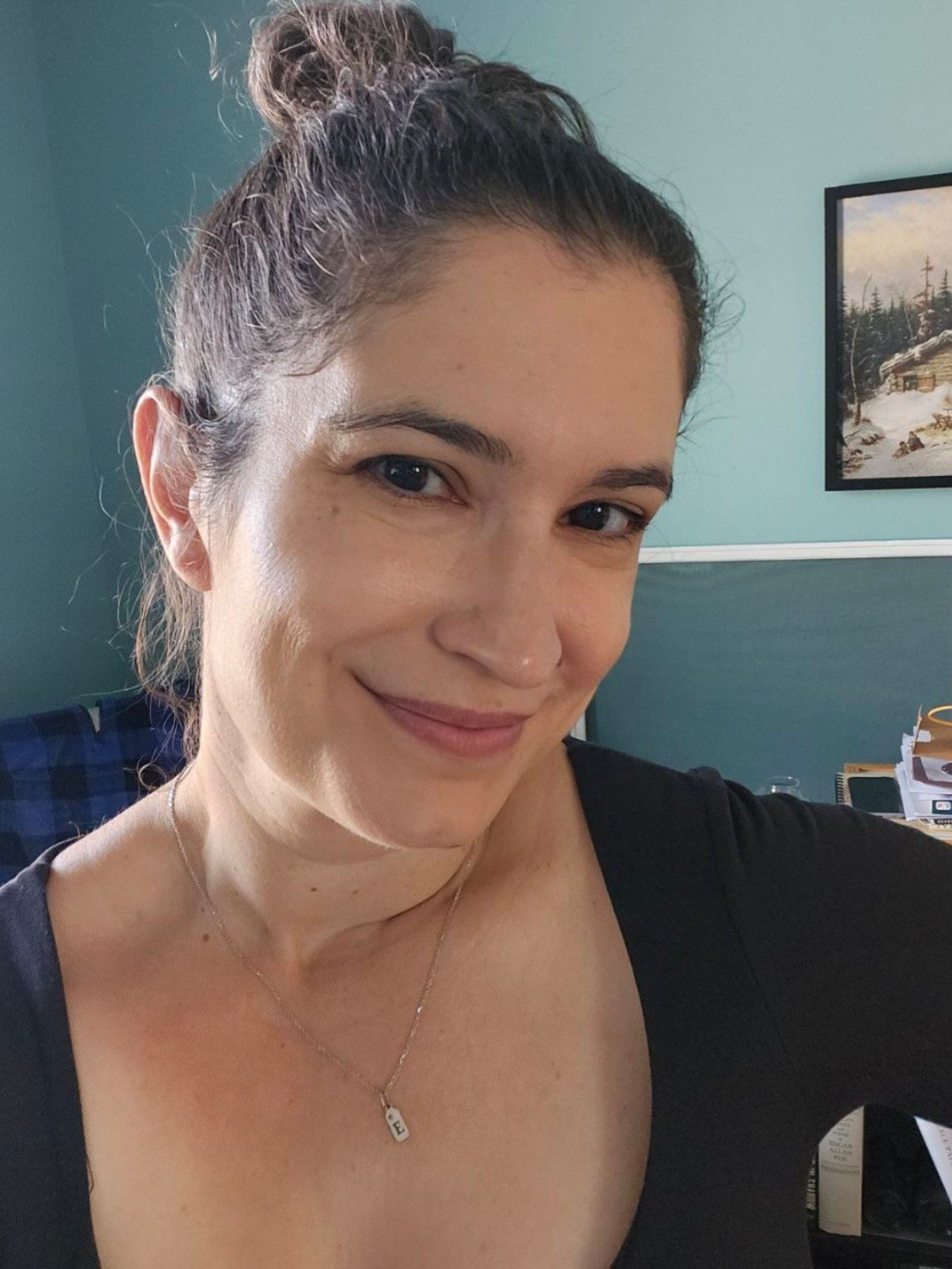
Kissimmee, Florida Mayor Jackie Espinosa was arrested on Oct. 21, 2026, and charged with theft and fraud for allegedly using a COVID-19 small business relief program to appropriate $50,000 in funds for herself and her family.
Numerous local and national relief programs were established in the wake of the COVID-19 pandemic, which forced many businesses to shut down. In September 2025, Kissimmee announced the launch of Business Boost 2.0, a grant program that offered local small businesses between $5,000 and $20,000 each.
If you’re a taxpayer, it’s understandably frustrating wondering whether your tax dollars are being misused. That’s why it’s important to understand how these sorts of cases progress.
Thanks for subscribing!
The money news that actually matters.
By signing up, you accept Moneywise Terms of Use, Subscription Agreement, and Privacy Policy.
Timeline of events
When the Business Boost 2.0 program launched, Espinosa was quoted, saying, “Our small businesses are the backbone of Kissimmee’s economy, and many are still feeling the lasting impacts of the pandemic.”
According to the state attorney general’s office, she and her family members allegedly applied for the program the same day that it launched.
A city attorney wrote a warning in December 2025 that the $50,000 Espinosa and her family received created a conflict of interest.
Complaints were filed against Espinosa in two different venues: the Florida Commission on Ethics on Feb. 26, 2026, and the Kissimmee City Commission on March 17.
Then, in April 2026, the Kissimmee City Commission held a vote regarding the complaints against Espinosa. The commission voted to appoint a special prosecutor, who would have 30 days to decide what steps to take next.
The next roadblock came in early May 2026, when Espinosa’s attorneys filed a petition arguing that the Ninth Judicial Circuit Court didn’t have the authority to investigate the complaints. Instead, the petition contended, the issue needed to be routed through the Florida Commission on Ethics.
Nearly a month later, that request was denied. Then, in July 2026, special prosecutor Mayanne Downs issued a report saying that she had found probable cause to pursue impeachment, writing, “The BOOST 2.0 program was created to help Kissimmee’s small businesses survive a pandemic, not to enrich the official who controlled it.”
The impeachment vote was held on Aug. 18, 2026. It ended 2-2, meaning the city would not pursue the issue further.
The Florida Commission on Ethics then ruled in September that there was probable cause that Espinosa had created a conflict of interest.
After many months, Espinosa was arrested on Oct. 21, 2026.
Must Read
- Jeff Bezos backs a platform that lets anyone invest in rental homes for as little as $100 — 6 ways to build wealth like a landlord without actually being one
- The tax breaks in Trump's 'big beautiful bill' expire after 2028. Here are 4 moves to make before the window closes
Prosecuting fraud takes time, but it eventually sees results
Over a year passed from when Espinosa allegedly applied for grants to when she was arrested.
If you believe your tax dollars were used illegitimately by anyone, it can be frustrating to see that process take months.
But cases like this one illustrate the fact that progress is often being made in these cases behind the scenes.
According to the FBI, federal COVID-19 relief programs like the Paycheck Protection Program saw an estimated $300 billion in fraud.
That’s a staggering number, but all across the country, prosecutors are continuing to pursue resolutions to those cases as they become clear.
You May Also Like
- Dave Ramsey warns nearly 50% of Americans are making 1 big Social Security mistake — here’s what it is and 3 simple steps to fix it ASAP
- A single line on your car insurance policy could be inflating your premium by up to 30% — here's what to change
Avril Ayers is a journalist with over eight years of experience writing, editing and proofreading. They have covered personal finance and investing since 2021.