• Discounts and special offers
  • Subscriber-only articles and interviews
  • Breaking news and trending topics

Already a subscriber?

By signing up, you accept Moneywise's Terms of Use, Subscription Agreement, and Privacy Policy.

Not interested ?

Stocks
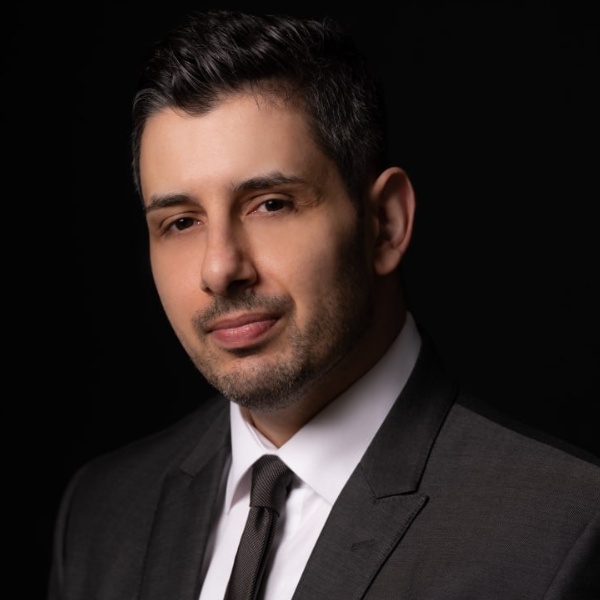
picture of Michael Burry Dave Allocca/Starpix / Shutterstock

‘It is like watching a plane crash’ — Michael Burry thinks the market has plenty of room to plunge. But he finally sees value in these 4 stocks

Michael Burry — the hedge fund manager depicted by Christian Bale in The Big Short — has been aggressively investing during this market downturn.

Burry’s latest 13F filing for the first quarter of 2022 shows a broad range of new investments and some interesting strategic moves with options. That’s a significant shift from the previous quarter when Burry was selling most of his stock portfolio and calling for the “mother of all crashes.”

Advertisement

He’s not exactly bullish on the overall market.

"As I said about 2008, it is like watching a plane crash," Burry wrote last week in a since-deleted tweet. "It hurts, it is not fun, and I'm not smiling."

But the man who shorted the U.S. housing market — and won — clearly sees pockets of opportunities.

Here’s a look at his latest moves.

Facebook (FB) and Alphabet (GOOG)

Burry’s bet on big tech is clearly noteworthy.

Tech and growth stocks have been out of favor for nearly half a year. Adding these two stocks to the portfolio for the first time is a contrarian move. Burry’s portfolio now includes 6,500 shares of Google parent Alphabet Inc. and 80,000 shares of Meta Platforms Inc., the parent company of Facebook. They’re his fourth- and sixth-largest holdings, respectively.

Advertisement

The move could be seen as a vote of confidence in digital advertising. It could also be a signal of undervaluation. Both stocks are trading at roughly 20 and 24 times earnings per share.

More: How Investors Can Shield their Portfolios

Must Read

Join 250,000+ readers and get Moneywise’s best stories and exclusive interviews first — clear insights curated and delivered weekly. Subscribe now.

Booking.com (BKNG)

Travel website Booking.com is now the second-largest holding in Burry’s Scion Asset Management portfolio. He bought 8,000 shares of the company in the first quarter.

Booking stock is trading at a price-to-free cash flow ratio of 21. That means the free cash flow yield is as high as 4.7%. As international borders reopen and lockdowns ease, Booking could be an ideal bet on the rebound of global travel.

Apple (AAPL)

Burry bought plenty of tech stocks this quarter, but that shouldn’t suggest that he’s optimistic about the whole sector. Hidden in the 13F filing was an enormous short bet against Apple.

He reported 206,000 put options on Apple shares as of the end of Q1. The notional value of this bet is roughly $28 million. However, the actual cost could be much lower given how option premiums are priced.

Advertisement

Nevertheless, it’s surprising that one of the world’s most famous short-sellers is targeting one of the world’s most valuable companies. Apple has lost about 18% of its value year to date. Supply chain disruptions in China coupled with weakening consumer buying power could impact Apple in the near term.

The stock is also trading at a relatively high valuation. Apple shares trade at a price-to-earnings ratio of 24 — significantly higher than the historic average of 15.

Read More: Dave Ramsey says this 7-step plan ‘works every single time’ to kill debt, get rich in America — and that ‘anyone’ can do it

Warner Brothers Discovery (WBD)

Media giant Warner Brothers Discovery is now the third-largest holding in Burry’s portfolio. He added 750,000 shares in the first quarter.

The merger of Discovery and Warner Media has created a global content juggernaut. This conglomerate holds rights to iconic characters including Batman, sports channels in Europe, HBO, and CNN.

The stock is down about 27% because of concerns about debt and the competitive landscape for online streaming. However, the company expects to generate $3.65 in free cash flow per share by next year, which would imply a 20% FCF yield at the current market value.

This could be why Burry made such a big bet on it.

You May Also Like

Share this:
Vishesh Raisinghani Freelance Writer

Vishesh Raisinghani is a financial journalist covering personal finance, investing and the global economy. He's also the founder of Sharpe Ascension Inc., a content marketing agency focused on investment firms. His work has appeared in Moneywise, Yahoo Finance!, Motley Fool, Seeking Alpha, Mergers & Acquisitions Magazine and Piggybank.

more from Vishesh Raisinghani

Explore the latest

Disclaimer

The content provided on Moneywise is information to help users become financially literate. It is neither investment, tax nor legal advice, is not intended to be relied upon as a forecast, research or investment advice, and is not a recommendation, offer or solicitation to buy or sell any securities, enter into any loan, mortgage or insurance agreements or to adopt any investment strategy. Tax, investment and all other decisions should be made, as appropriate, only with guidance from a qualified professional. We make no representation or warranty of any kind, either express or implied, with respect to the data provided, the timeliness thereof, the results to be obtained by the use thereof or any other matter. Advertisers are not responsible for the content of this site, including any editorials or reviews that may appear on this site. For complete and current information on any advertiser product, please visit their website.

†Terms and Conditions apply.