SPY +1.71%
BND -0.73%
QQQ +2.73%
DIA +1.55%
VNQ +0.72%
GLD -0.90%
BTC -3.31%
AAPL +1.44%
GOOGL +1.04%
NVDA -9.57%
MSFT +2.40%
META +5.38%
AMZN +3.93%
TSLA +5.16%
UBER +1.21%
GS +4.63%
BAC +2.41%
JPM +2.35%
BRK.A +1.25%
COST +0.99%
XOM -1.34%
BABA -5.77%
WMT +0.00%
SPCX +6.26%
DIS +1.29%
F -1.69%
  • Discounts and special offers
  • Subscriber-only articles and interviews
  • Breaking news and trending topics

Already a subscriber?

By signing up, you accept Moneywise's Terms of Use, Subscription Agreement, and Privacy Policy.

Not interested ?

Health Insurance
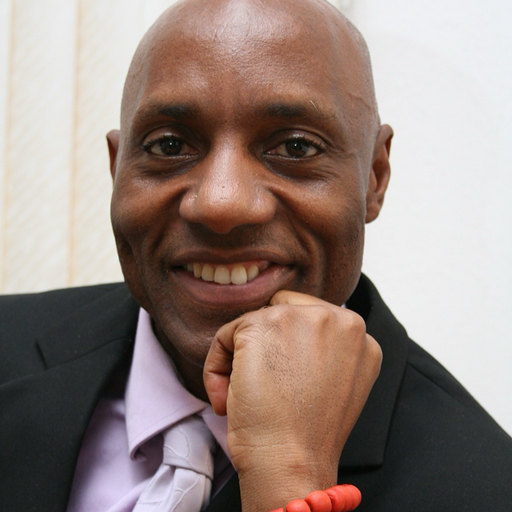
mark cuban Heather Diehl/Getty Images

'Horrific': Mark Cuban says your CEO has 'no clue' your health claim got denied — when it should be their job to fix it

Entrepreneur and former Shark Tank host Mark Cuban says there’s a big problem with employer-sponsored insurance.

“Pretty much every F500 CEO is complicit in” allowing their employees’ health insurance claims be denied, said Cuban in a recent X post. He says CEOs might not even know it’s happening, calling it “horrific.”

Advertisement

“Employees and their families get sicker while the denial is appealed… when the CEO has no clue,” says Cuban. “Even if the cost to help the patient could [be] a small amount.”

The insurance clarity you've been missing.

By signing up, you accept Moneywise Terms of Use, Subscription Agreement, and Privacy Policy.

The culprit is a common employer-sponsored insurance setup that leaves companies without control of or knowledge about how their employees’ health insurance is being handled. But there’s a fix that can keep employees healthy while helping employers comply with federal laws.

Here’s a breakdown of what Cuban’s talking about.

Most large employers offer self-insured health insurance

The majority of Americans get their health insurance through either their employer or a loved one’s employer. Indeed, the Affordable Care Act requires that employers with at least 50 full-time employees provide health insurance that meets a minimum baseline to their workers.

There are two primary ways that employers can offer health insurance plans: They can either offer a fully insured plan or a self-insured plan.

A fully insured plan is the simpler option. An employer partners with an insurance company, such as United Healthcare or Aetna, to provide a plan to employees. The insurance company takes on the risks associated with paying for healthcare, while the employer pays the insurance company a fixed premium.

As convenient as this is, it’s usually the more costly option for employers because they have to pay for the insurance company to turn a profit.

Most large employers instead opt for a self-insured, or self-funded, plan. For these plans, the employer pays for its employees’ healthcare itself, taking on the risk involved personally.

Cuban has no problem with employers’ actions up until this point, calling self-insured plans a “good thing.”

Advertisement

Must Read

TPAs help employers carry out health plans — but they also introduce problems

Self-funded plans save employers money over the long run. But most employers don’t already have employees skilled in running a health insurance plan. Instead, many employers hire a third-party administrator, or TPA, to oversee the plan, including processing health insurance claims.

This step is where Cuban says employers frequently go wrong.

“They hire a third party administrator that is owned by a Too Big To Care insurance company. - Really Bad,” said Cuban in the X post. “They allow that TPA to deny care determined by the doctors that the TPA selected to be in network - Horrifically bad.”

TPAs that needlessly deny claims are obviously bad for employees, who could face significant health and financial hits. But they’re also bad for employers, who could be held accountable for a TPA’s improper claim decision.

What CEOs can do to help employees get the healthcare they need

The problem with this setup is that CEOs are largely kept in the dark with what their TPAs are doing — making it hard for them to do their due diligence in keeping their employees happy and healthy.

Cuban says that regular reporting can help bring light to a TPA’s decisions.

“I think [F500 CEOs] should get a report that lists any potential denials that could negatively impact patient health,” says Cuban in a reply to his original post.

Advertisement

This would help protect both employees and the employer.

“The fiduciary does have an obligation to review denials to make sure that they are not frivolous,” says Cuban in another reply. “Only way to (…) make sure there isn’t a crazy percentage of denials that have been overturned on appeal is to have them reported and tracked.”

Some health insurance companies have come under hot water for overturned denial claims. United Healthcare is currently undergoing a lawsuit that alleges the company used an AI model to deny claims; the lawsuit says that over 90% of the denied claims were overturned in appeals.

Health insurance companies Humana and Cigna are also facing similar lawsuits.

Mark Cuban did not immediately respond to a request for comment.

You May Also Like

Share this:
Kit Pulliam Freelance Writer

Kit Pulliam is a DC-based financial journalist with over five years of experience writing, editing and fact-checking financial content.

more from Kit Pulliam

Explore the latest

Disclaimer

The content provided on Moneywise is information to help users become financially literate. It is neither investment, tax nor legal advice, is not intended to be relied upon as a forecast, research or investment advice, and is not a recommendation, offer or solicitation to buy or sell any securities, enter into any loan, mortgage or insurance agreements or to adopt any investment strategy. Tax, investment and all other decisions should be made, as appropriate, only with guidance from a qualified professional. We make no representation or warranty of any kind, either express or implied, with respect to the data provided, the timeliness thereof, the results to be obtained by the use thereof or any other matter. Advertisers are not responsible for the content of this site, including any editorials or reviews that may appear on this site. For complete and current information on any advertiser product, please visit their website.

†Terms and Conditions apply.