
May 6, 2021
Credit card balances and other revolving debt have grown by more than $14 billion since January, according to the Federal Reserve.
Nearly half of consumers have been using their cards to stock up on travel points during the pandemic, according to data from LendingTree’s ValuePenguin site.
Advertisement
And 88% of cardholders have been using their rewards cards through the pandemic or recently ramped up spending in order to eventually take a vacation, the survey shows.
However, if you’ve been raking in the rewards, it may never have crossed your mind that you may owe some back to Uncle Sam.
Here’s more on when the IRS may expect a share of your cash-back coin.
Are they taxable?

About 47% of consumers surveyed by ValuePenguin say they’re intentionally racking up their travel rewards in anticipation of traveling once the pandemic ends.
The good news is, most of the time, your credit card rewards points aren’t considered taxable income.
So when you go to redeem your travel rewards or points card, you should be in the clear.
Must Read
- You can now build wealth like a landlord for as little as $100 — and no, you don't have to chase down rent or take 3 A.M tenant calls
- Goldman Sachs used to hoard prime real estate deals for the ultrarich. Two ex-analysts just opened the door for $250
- Robert Kiyosaki begs investors not to miss this ‘explosion’ — says this 1 asset will surge 400% in a year
Join 250,000+ readers and get Moneywise’s best stories and exclusive interviews first — clear insights curated and delivered weekly. Subscribe now.
Which credit card perks can be taxed?

Advertisement
When you’re simply handed cash back or rewards points, that’s when it gets sticky.
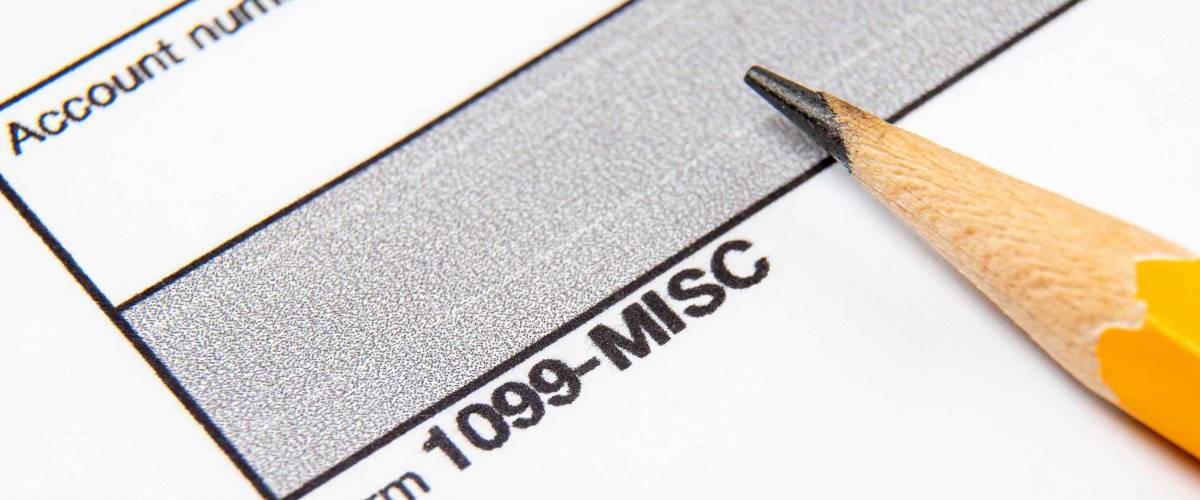
If you apply for a credit card that offers a sign-up bonus, that may be considered taxable income. You’ll owe the IRS for the value of any rewards you receive without ever charging a dime to your card if you earn more than $600 in rewards in a given year.
On its own, most sign-up bonuses are not enough income to have to report to the IRS, but if you sign up for other cards throughout the year that push you over the $600 minimum, get your 1099 form ready.
If you don’t get a form from your credit card issuer, you can go to the IRS site to download your own form and send it in when you file your taxes.
Other situations where you might be taxed or miss out on perks

Advertisement
While rewards earned through your personal credit card generally aren’t taxable, there are some tax implications with other types of offers or accounts.
Here’s a few situations where things get a little more tricky:
Your business credit card
The same tax rules apply for business credit cards — you won’t have to claim any rewards you earn through making purchases, especially if you’re spending to meet a minimum spend threshold.
Where things get a little tricky is when you start to use your rewards to cover business-related expenses.
You can generally only make a tax deduction when you’ve paid for a business expense out of pocket. So keep that in mind if you use rewards to pay for any business travel or other expenses.
“Refer-a-friend” programs
Does your bank or credit card issuer offer bonuses for referring your friends?
Let’s say every time you get a friend or family member to sign up a new account with your bank, you get a referral reward — either through points or a cash bonus — that income will be taxable.
Advertisement
That’s because you’re performing a service for your bank, either through getting them a new customer or helping sell a product in exchange for those points or cash.
If you were reimbursed in points, you’ll have to claim however much your points are worth in cash. So if each point is worth 1 cent, if you earned 60,000 points for new-customer referrals, you’d have to report $600 in income.
Bank account bonuses
While your credit card bonuses aren’t generally considered taxable income, getting a cash deposit or free rewards points for opening a new bank account is free game for the IRS.
Like with referral bonuses, each rewards point or airline mile is generally valued at about 1 cent each for tax purposes.
Read More: Dave Ramsey says this 7-step plan ‘works every single time’ to kill debt, get rich in America — and that ‘anyone’ can do it
Ways to get some cash back in your budget
If your rewards card didn’t give you the leg up you thought it would, you have some options to reward yourself through savings or earning extra cash.
-
Cut the cost of your debt. Credit and debit card spending increased by 45% in March compared to the same month last year, according to the Bank of America. Tackle your credit card debt — and pay it off sooner — by rolling your balances into a debt consolidation loan with a lower interest rate.
-
Slash your insurance bills. You may be overpaying for your car insurance by more than $1,000 a year. And finding a better offer is as simple as shopping around for the best price. While you’re at it, you also could save hundreds on homeowners insurance using the same method.
-
Find savings in your everyday purchases. You can make sure you are saving some cash by downloading a free browser extension that automatically scours for the best deals and coupons every time you shop online.
-
Swap your clutter for cash. Now, you can clean up just by doing your spring cleaning. Trade in your old junk for cold, hard cash with a service that offers you 33% more back for your old belongings than other second-hand selling sites.
-
Dip your toe into investing. Even if you can’t afford much right now, download a popular investing app that lets you invest your "spare change” and turn pennies into a diversified portfolio.
You May Also Like
- Dave Ramsey warns nearly 50% of Americans are making 1 big Social Security mistake — here’s what it is and the simple steps to fix it ASAP
- Thanks to Jeff Bezos, you can now become a landlord for as little as $100 — and no, you don't have to deal with tenants or fix freezers. Here's how
- Millionaires under 43 are reshaping investing — just 25% of their portfolios are in stocks. Here’s where their money is going
- Robert Kiyosaki issues grim warning for baby boomers. Many could be ‘wiped out’ and homeless ‘all over’ the country. How to protect yourself now

Sigrid is a deputy editor on the Moneywise team, where she has also worked in a number of editing and reporting roles. She has 5 years experience writing about personal finance and takes great pride in demystifying complex financial issues and finding the personal in personal finance topics.

Mortgages • Feb 17
First-time home buyer programs

Mortgages • Feb 15