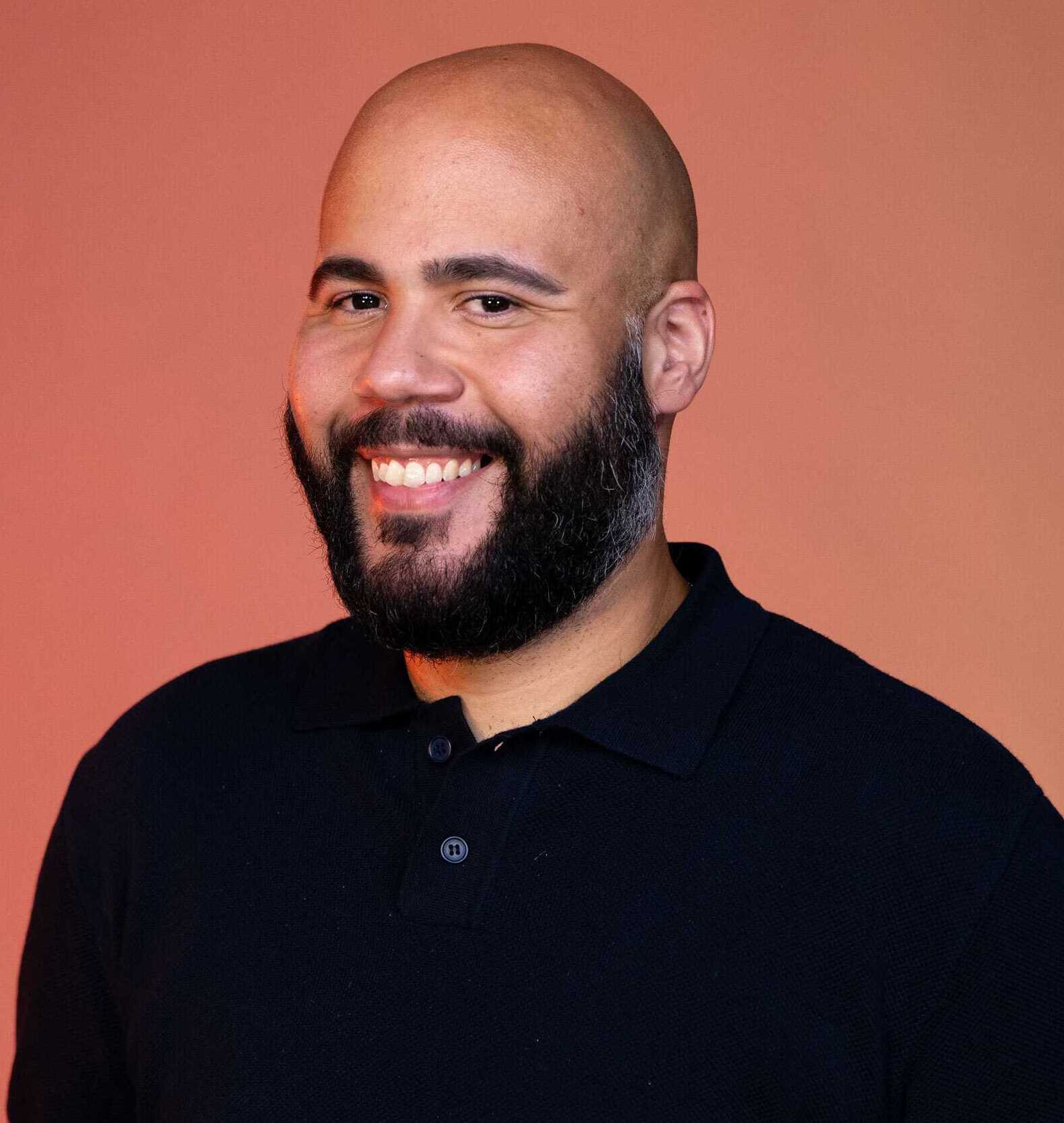
Credit cards are commonplace, but understanding how they work may not be. Boston-based TikToker @georgiamcilley went viral after sharing an emotional moment sparked by a conversation with her mom about her credit card interest (1).
“I just cried with my mom because I just realized how credit cards work,” she said in the video. “I’m a smart person, and I have no idea how I did not understand this” (1).
Georgia explained that she had been paying her credit card’s minimum payment every month, believing that doing so meant she wouldn’t be charged interest.
“Isn’t that what minimum means?” she asked her viewers (1). Instead, she discovered she'd been charged $50 to $70 in interest every month for about a year, even though, to her added frustration, she had the money to pay more.
Georgia's realization struck a nerve because the misunderstanding she described is far from rare. Though many people might think they understand how certain financial products work, people often find themselves learning as they use them, and mistakes can be costly. Here’s how minimum payments and credit card interest work, and how parents can talk to their children about credit cards.
What minimum payments actually do (and don’t do)
A credit card’s minimum payment is the smallest amount you must pay by the due date to avoid late fees and keep your account in good standing. However, the only way to not get charged interest would be to pay off your balance entirely. Any amount left on the credit card balance will be charged interest monthly.
That distinction is what Georgia missed. She assumed that paying the required minimum each month meant she was doing the right thing. In reality, because she carried a balance from month to month, interest continued to grow, even when she wasn’t spending more.
Must Read
- Dave Ramsey warns nearly 50% of Americans are making 1 big Social Security mistake — here’s what it is and the simple steps to fix it ASAP
- Robert Kiyosaki begs investors not to miss this ‘explosion’ — says this 1 asset will surge 400% in a year
- Vanguard reveals what could be coming for U.S. stocks, and it’s raising alarm bells for retirees. Here’s why and how to protect yourself
Join 250,000+ readers and get Moneywise’s best stories and exclusive interviews first — clear insights curated and delivered weekly. Subscribe now.
Why interest can keep growing even when you pay
Credit card interest is typically calculated on your average daily balance and then added to your account at the end of each billing cycle. This means that if you carry a balance, your card issuer charges interest on what you still owe, and that interest compounds over time, making your debt grow.
Many credit cards offer what’s called a grace period: time between the end of the billing cycle and the payment due date, when interest won’t be charged on new purchases, only if you paid the full previous statement balance.
But if you regularly carry a balance from one statement to the next, you essentially forfeit that grace period and begin accruing interest immediately on new and old balances alike.
That’s why Georgia saw interest charges month after month. As her mom pointed out, “That’s how credit card companies make money, off of stuff like this (1)”.
Adding to many credit card holder’s interest woes is the fact that credit card interest rates have risen sharply over the past decade. According to the Federal Reserve, the average APR on credit card accounts that charge interest was about 22.3% as of November 2025, near its highest level ever (2, 3).
Those high rates mean even small balances can quickly snowball into long-term debt if not paid off promptly. With average APRs in the low 20% range, carrying a balance can make the cost of borrowing much more expensive than most cardholders expect.
How parents can talk to their children about credit cards
Financial education isn’t always part of school curricula, and many consumers learn too late, after they’ve already accumulated interest charges they didn’t fully understand.
For parents, the takeaway is clear: conversations about money need to include not just budgeting and saving, but how credit cards actually work — including minimum payments, grace periods and interest mechanics.
Here are some key discussion points:
- Paying the minimum avoids late fees and keeps your account current, but it doesn’t stop interest. You’ll still be charged finance charges on any unpaid balance.
- Carrying a balance typically eliminates the interest-free grace period on new purchases, meaning interest starts accumulating sooner.
- Interest can accrue daily on the remaining balance until it's paid off. The earlier you pay down the balance, the less interest you’ll owe overall.
- Paying your full statement balance by the due date is the most reliable way to avoid interest on purchases.
Georgia’s realization was painful, but sharing her story opened up a conversation that helps others to avoid making the same mistake. For many consumers and their children, truly understanding credit card mechanics is worth learning before interest starts eating away at their financial potential.
Article sources
We rely only on vetted sources and credible third-party reporting. For details, see our editorial ethics and guidelines.
TikTok (1); Forbes (2); Federal Reserve (3)
You May Also Like
- Turning 50 with $0 saved for retirement? Most people don’t realize they’re actually just entering their prime earning decade. Here are 6 ways to catch up fast
- This 20-year-old lotto winner refused $1M in cash and chose $1,000/week for life. Now she’s getting slammed for it. Which option would you pick?
- Warren Buffett used these 8 repeatable money rules to turn $9,800 into a $150B fortune. Start using them today to get rich (and stay rich)
- Here are 5 easy ways to own multiple properties like Bezos and Beyoncé. You can start with $10 (and no, you don’t have to manage a single thing)
With a writing and editing career spanning over 13 years, Emma creates and refines content across a broad spectrum of industries, including personal finance, lifestyle, travel, health & wellness, real estate, beauty & fitness and B2B/SaaS/tech. Her versatility comes through contributions to high-profile clients like Moneywise, Healthline, Narcity and Bob Vila, producing content that informs and engages, along with helping book authors tell their stories.