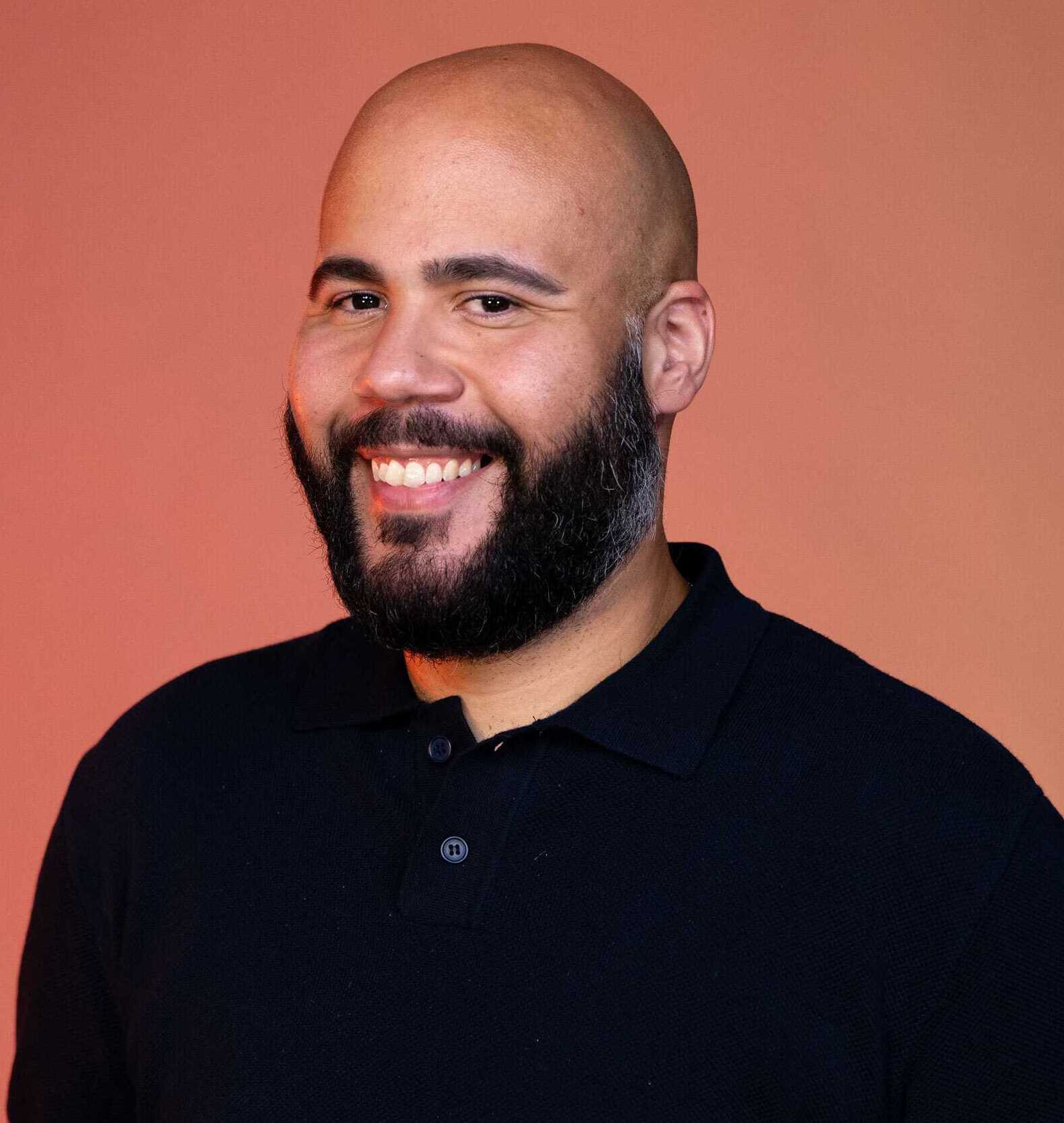
With the rise of technology and online shopping, credit card fraud and data breaches are a constant worry. However, "Shark Tank" star Kevin O’Leary says he has a simple yet effective strategy to safeguard your finances in the digital realm.
“I recommend everybody have at least two credit cards, the first credit card is one that has a very low limit — let’s say $2,000. And that’s the number you use on all the online services,” he said in a YouTube video posted to his official channel.
Thanks for subscribing!
Our free newsletter helps you make every swipe count.
The logic is straightforward. If this card’s details are compromised, the financial damage is capped at a manageable level: “If they get hacked, nobody can spend more than $2,000. That’s how you protect yourself.”
The second card in O’Leary’s plan serves a different purpose. It’s meant for offline transactions, where the risk of digital theft is thought to be lower.
“The other card is the one you use when you actually buy things that are not online and perhaps those purchases can be much more expensive,” he said.
In other words, the second card can have a higher limit, suitable for more substantial purchases. The separation of online and offline expenses not only has the potential to enhance security, but also helps in easier tracking and managing expenses.
Modern menace online and offline
While many people are aware of the potential risks from using credit cards online, it's important to note that offline transactions are not risk-free either.
Fraudsters can gain your information through a brick-and-mortar retailer that has been hacked. A notable example occurred in 2014 when Home Depot reported that an attack on its payment terminals over a five-month period potentially compromised 56 million credit and debit cards.That same year, luxury retailer Neiman Marcus disclosed that around 1.1 million customer payment cards might have been exposed following a three-month security breach. In 2019, malware was discovered on the payment processing servers of the Wawa convenience store chain, affecting all 850 locations.
Credit card fraud can also occur if your card falls in the wrong hands or you unknowingly swipe it at an ATM with a skimmer installed.
Nevertheless, it's generally sound practice to spread financial risk as O’Leary recommended. Credit card fraud and online financial scams are not just anecdotal concerns but are backed by alarming statistics.
In the U.S., the Federal Trade Commission received over 1.1 million identity theft reports in 2022. Notably, credit card fraud was the most reported type of identity theft, with 441,822 cases involving either the misuse of existing credit card information or fraudulent activities related to new credit card applications.
Considering the widespread use of credit cards, the potential financial losses to consumers are significant. In December 2022, the Nilson Report forecast that, over the next decade, payment card fraud losses in the U.S. could reach a staggering $165 billion, with global figures anticipated to hit $397 billion.
Jing is an investment reporter for Moneywise. He is an avid advocate of investing for passive income. Despite the ups and downs he’s been through with the markets, Jing believes that you can generate a steadily increasing income stream by investing in high quality companies.
The content provided on Moneywise is information to help users become financially literate. It is neither investment, tax nor legal advice, is not intended to be relied upon as a forecast, research or investment advice, and is not a recommendation, offer or solicitation to buy or sell any securities, enter into any loan, mortgage or insurance agreements or to adopt any investment strategy. Tax, investment and all other decisions should be made, as appropriate, only with guidance from a qualified professional. We make no representation or warranty of any kind, either express or implied, with respect to the data provided, the timeliness thereof, the results to be obtained by the use thereof or any other matter. Advertisers are not responsible for the content of this site, including any editorials or reviews that may appear on this site. For complete and current information on any advertiser product, please visit their website.
†Terms and Conditions apply.
You’re in.
Welcome to Moneywise! Keep an eye on your inbox for your first newsletter, free Warren Buffett investing guide, and full commenting access. Welcome to Moneywise! Keep an eye on your inbox for your first newsletter, free Warren Buffett investing guide, and full commenting access.
Our free newsletter helps you make every swipe count.
Join 250,000+ readers maximizing every swipe with our free newsletter. Get cards and rewards info — plus member-only promos to help you save even more.