Credit cards are, arguably, one of the most expensive forms of debt for most Americans.
As of August 2024, the average interest rate on a commercial credit card is 21.76%, according to the latest data from the Federal Reserve.
In addition, as of the third quarter of 2024, Americans’ total credit card balance is an eye-watering $1.17 trillion.
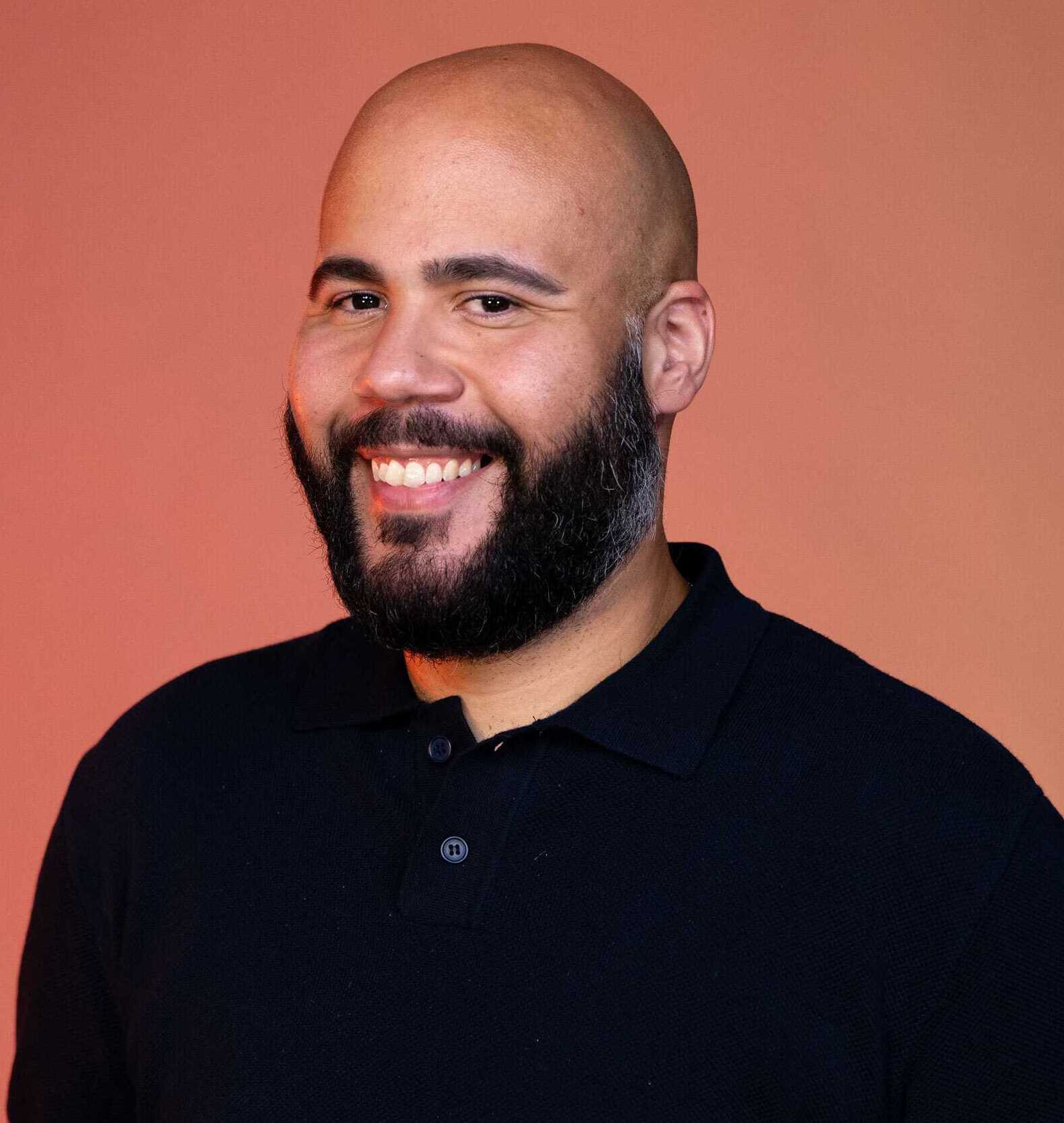
That’s why investor and entrepreneur Kevin O’Leary firmly stated that “credit cards will kill you,” in a recent video uploaded to his YouTube channel.
The high interest rates are an easy trap to fall into for many unwitting borrowers. However, despite the jaw-dropping double-digit rates, O’Leary doesn’t shun credit cards altogether.
In fact, he actually recommends getting two credit cards. Here’s why — and what it would mean for your credit score.
Why O’Leary prefers having two credit cards
O’Leary revealed he has two credit cards — one with a tight spending limit of $2,500 that he only uses for online purchases, and the other for business and personal use that he “never puts online.” This hack, he said, is to help avoid losing significant sums to online cybercriminals.
An estimated 52 million Americans fell victim to fraudulent charges on their credit or debit accounts in 2023, according to data from Security.org.
Altogether, 60% of U.S. credit card holders have been a victim of fraud, with 45% of that cohort having experienced fraud multiple times.
Only 7% of these frauds were due to credit cards that were physically lost or stolen — the rest were due to online data breaches.
With this in mind, O’Leary’s strategy of ear-marking one card for a tight spending limit for online purchases seems justified. If he does get hacked, the fraudster will only get access to a limited amount — and since the other card is never used online, it likely wouldn’t be exposed to the same level of data risk.
You don’t need two physical cards to deploy this strategy, either. Many online platforms offer virtual credit cards, which are temporary cards that can be used to safely shop online, according to Experian.
If these temporary virtual cards are compromised, it doesn’t impact your personal bank account or credit information, keeping you safe from fraudsters.
Consumers should also know that their liability for unauthorized charges is limited to $50 because of the Fair Credit Billing Act of 1974.
So, it makes sense to carefully track all your credit card bills and report fraudulent transactions to your bank or credit provider as soon as you can.
Must Read
- Dave Ramsey warns nearly 50% of Americans are making 1 big Social Security mistake — here’s what it is and the simple steps to fix it ASAP
- Robert Kiyosaki begs investors not to miss this ‘explosion’ — says this 1 asset will surge 400% in a year
- Vanguard reveals what could be coming for U.S. stocks, and it’s raising alarm bells for retirees. Here’s why and how to protect yourself
Join 250,000+ readers and get Moneywise’s best stories and exclusive interviews first — clear insights curated and delivered weekly. Subscribe now.
How to improve your credit score
O’Leary also encourages using two credit cards for purchases — so long as you pay off the balances every month.
This, he said, allows you to avoid the hefty interest charge while building up a credit history and credit score that can eventually be used for other forms of debt, such as a mortgage.
The most ubiquitous credit scoring system for American borrowers is the one developed by Fair Isaac Corporation and is called the FICO score, according to the Financial Industry Regulatory Authority (FINRA). The three major credit bureaus — Equifax, TransUnion, and Experian — use the FICO scoring model for all borrowers.
Whether or not you use credit cards can have “significant consequences for your credit score,” according to Experian. Using these cards strategically can impact several criteria on the scoring model, such as credit utilization, credit mix, and payment history.
This could be why credit cards are so popular and why 82% of Americans have at least one card in their wallet, the U.S. Government Accountability Office reported.
You May Also Like
- Turning 50 with $0 saved for retirement? Most people don’t realize they’re actually just entering their prime earning decade. Here are 6 ways to catch up fast
- This 20-year-old lotto winner refused $1M in cash and chose $1,000/week for life. Now she’s getting slammed for it. Which option would you pick?
- Warren Buffett used these 8 repeatable money rules to turn $9,800 into a $150B fortune. Start using them today to get rich (and stay rich)
- Here are 5 easy ways to own multiple properties like Bezos and Beyoncé. You can start with $10 (and no, you don’t have to manage a single thing)
Vishesh Raisinghani is a financial journalist covering personal finance, investing and the global economy. He's also the founder of Sharpe Ascension Inc., a content marketing agency focused on investment firms. His work has appeared in Moneywise, Yahoo Finance!, Motley Fool, Seeking Alpha, Mergers & Acquisitions Magazine and Piggybank.