
May 29, 2023
When you buy a home, the deal doesn’t go through as soon as you make an offer. First, you need to make a deposit to show that you are serious about the purchase. The deposit is called earnest money.
Your earnest money will be held in a neutral third-party account, or in escrow. It may sound simple but there are some moving parts that can make home-buying seem more difficult, especially for a first-timer. Here’s what else you need to know about escrow to ensure a smooth sale.
Advertisement
Compare Mortgage Rates
See RatesOpening an escrow account
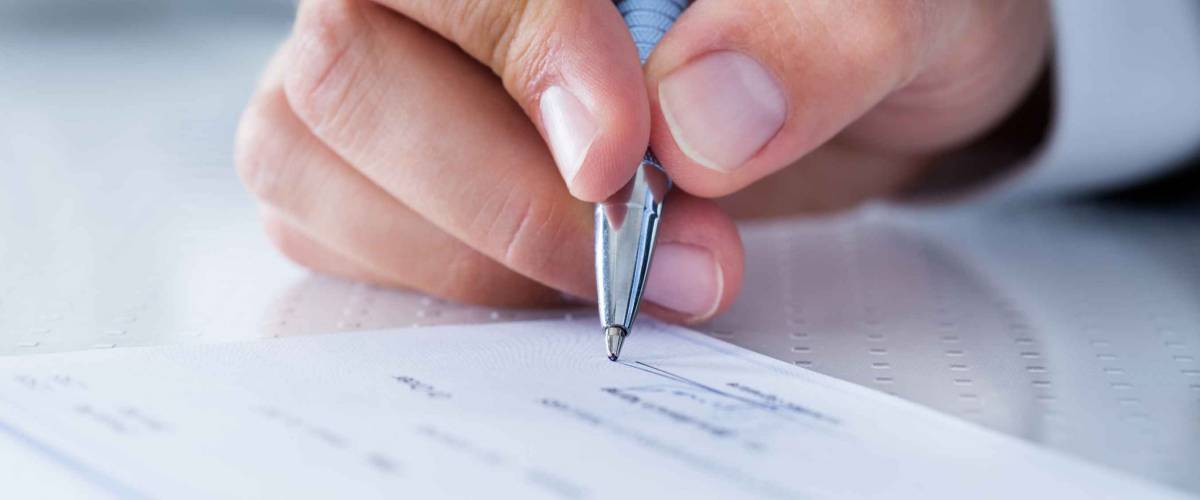
To deposit your earnest money, you’ll write a check and deliver it to your escrow agent, who works on behalf of an escrow company.
Serving as the go-between for the buyer and seller, the escrow company holds onto all the funds and the documents throughout the process until the sale has closed.
Once the sale has been successfully completed, the escrow company will disburse the funds.
The escrow process ensures that the title to the property isn’t transferred until all the necessary funds have been exchanged.
Must Read
- Dave Ramsey warns nearly 50% of Americans are making 1 big Social Security mistake — are you doing the same?
- Thanks to Jeff Bezos, you can now become a landlord for as little as $100 — and no, you don't have to deal with tenants or fix freezers. Here's how
- Robert Kiyosaki says this 1 asset will surge 400% in a year and begs investors not to miss this ‘explosion’
Join 250,000+ readers and get Moneywise’s best stories and exclusive interviews first — clear insights curated and delivered weekly. Subscribe now.
How does the escrow process work?
Let’s say Hazel puts her home up for sale and Alex makes an offer, which she accepts. Alex will then give the escrow agent his initial payment for property taxes and homeowners insurance, while he waits for the home inspection and his financing to go through.
At closing, the escrow company will ensure the funds are transferred from Alex’s mortgage lender to Hazel’s. At the same time, the company makes certain that the title for the home is passed from Hazel to Alex.
What are escrow fees and who pays them?

Advertisement
Simply put, escrow fees are part of the closing costs that come with the purchase of a house. They’re paid directly to the title company, real estate attorney or the escrow company, and kept in a secure escrow fund until they’re ready to be paid out.
The fees are for the third-party services that helped you close your loan or sell your house. For example, you can expect it to include fees for real estate attorneys, property taxes and homeowners insurance.
The fees can range from between 1% and 2% of the purchase price of the house. However, some escrow officers may offer a flat fee for their services. In the end, the costs will depend on the location of the house and which escrow company you use.
As for who pays the fees, the buyer and seller can negotiate it via their real estate agents. Although there’s no industry standard, it’s often split 50/50 between the buyer and seller.
Read More: Dave Ramsey says this 7-step plan ‘works every single time’ to kill debt, get rich in America — and that ‘anyone’ can do it
Title report and title insurance
Aside from holding funds, one of the major purposes of an escrow service is ensuring the smooth transfer of a home's ownership.
One factor that can prevent a smooth transfer is an issue with the property’s title.
Advertisement
Because of this, your lender will require that you have a title report done and that you take out title insurance.
The report will ensure that no liens or bankruptcies are associated with the property, because those would prevent the transfer of the home.
Referring back to our example above, if Hazel had taken out a loan that put her home up as collateral, and then failed to pay it back, a lien would be placed on her home. Until she clears that debt, the home is not technically hers to sell.
Title insurance protects both the buyer and lender from any legal challenges that may pop up that a title search didn’t initially uncover.
Issues with the title are known as clouds or defects, and they are the seller’s responsibility to resolve before the sale can go through. If the seller can’t — or won’t —take care of the issues, the buyer is entitled to walk away from the sale and seek return of the earnest money that was put down.
Pros and cons of escrow
Pros of an escrow account
- Provides security and protection during the transfer of large amounts of money
- Offers an option for monthly payments for homeowners’ insurance and property taxes, instead of paying in one large lump sum
- Your mortgage lender is responsible for making automatic payments (if using escrow to pay homeowners’ insurance and property taxes), so you never have to worry if your bills are being paid on time
Cons of an escrow account
- Higher mortgage payments, if using escrow to pay taxes and insurance
- Depending on the time of year, you may be required to deposit several months’ worth of property taxes and insurance premiums when you open an escrow account
- You might miss out on investment opportunities if your money is tied up in escrow
You May Also Like
- Turning 50 with $0 saved for retirement? Most people don’t realize they’re actually just entering their prime earning decade. Here are 6 ways to catch up fast
- Inside a $1B real estate fund offering access to thousands of income-producing rental properties — with flexible minimums starting at $10
- Vanguard’s outlook on U.S. stocks is raising alarm bells for retirees. Here’s why and how to protect yourself
- Here are 5 easy ways to own multiple properties like Bezos and Beyoncé. You can start with $10 (and no, you don’t have to manage a single thing)

Sigrid is a senior associate editor on the Moneywise team, where she has also worked as a reporter and staff writer.

Mortgages • Feb 17
First-time home buyer programs

Mortgages • Feb 15