Tesla [NASDAQ: TSLA] may be racing against the clock to deliver its futuristic Cybercab — which has a $30,000 price tag — before the end of the year. But the automaker’s latest move has some questioning whether CEO Elon Musk is prioritizing a personal bet over the company’s broader business interests.
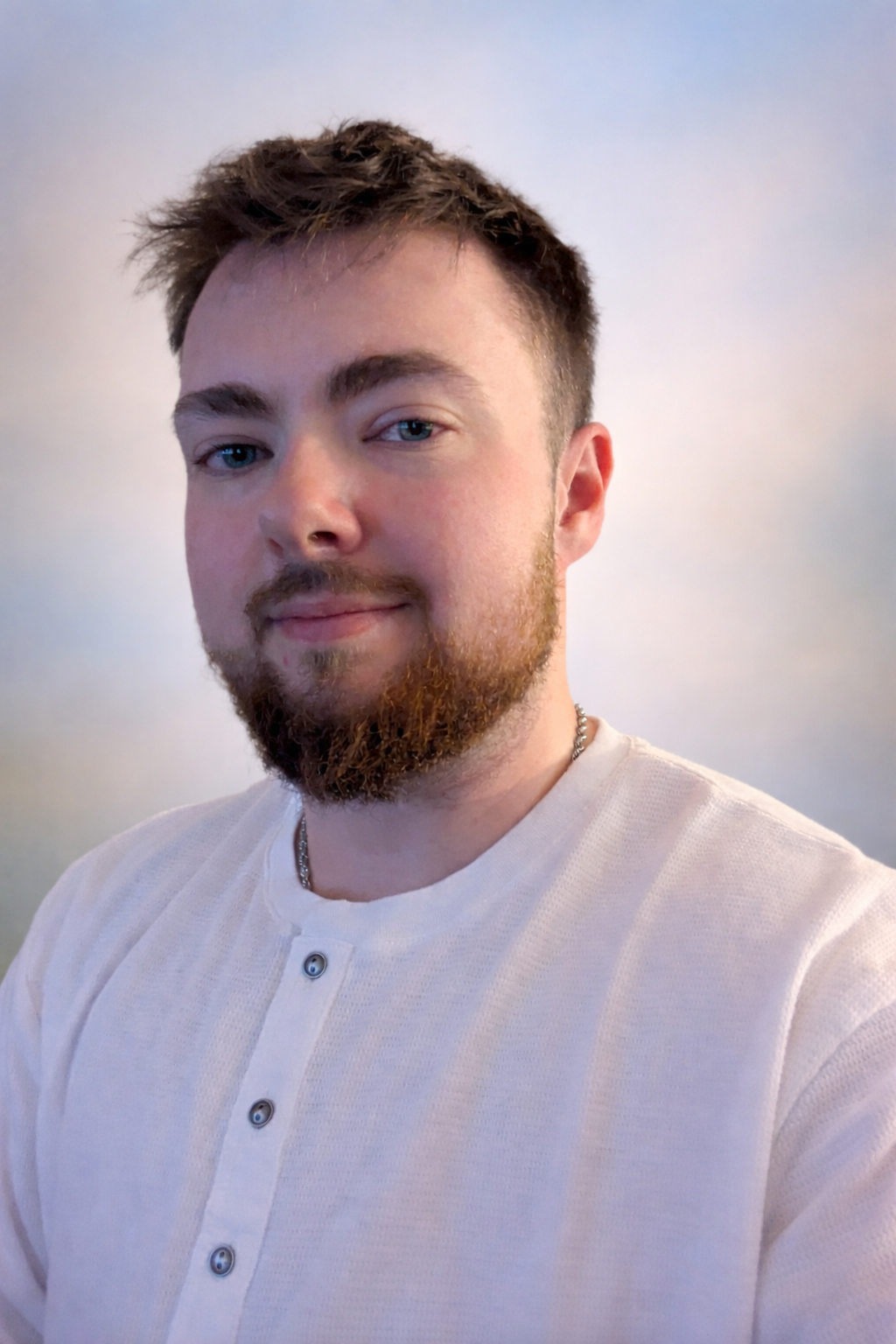
The electric vehicle maker has opened invite-only orders for its two-seat, steering-wheel-less robotaxi, with estimated deliveries in December 2026. And the timing could help Musk win a long-running wager with popular tech YouTuber Marques Brownlee, better known as MKBHD, who promised to shave his head on camera if Tesla delivered a Cybercab to everyday customers for less than $30,000 before 2027.
But the vehicle’s limited availability, recurring fees and geographic restrictions have raised questions about whether Tesla is truly ready to bring the autonomous vehicle to consumers.
Thanks for subscribing!
The money news that actually matters.
By signing up, you accept Moneywise Terms of Use, Subscription Agreement, and Privacy Policy.
Tesla’s Cybercab bet is coming down to the wire
The wager dates back to Tesla’s October 2024 “We, Robot” event, when Musk unveiled the Cybercab and said the company would sell it for under $30,000, with production beginning before 2027.
Brownlee subsequently questioned Tesla’s timeline, saying he would shave his head if the company managed to deliver on its promise. Now, Tesla has listed the Cybercab for $29,990, just $10 below the threshold, with deliveries anticipated in December.
However, the offer comes with some significant caveats. According to Electrek’s reporting, the automaker is inviting select customers to place orders with a $1,000 nonrefundable deposit. Buyers must also pay a mandatory $299 monthly Autonomy Subscription in order for the vehicle to operate.
The Cybercab is also restricted to Tesla’s existing Robotaxi operating areas in Texas. This means Cybercab owners cannot simply take the cars anywhere, and the company’s agreement prohibits owners from using them for independent ride-hailing services.
Brownlee isn’t convinced Tesla has won the bet just yet. After receiving an invitation to order the vehicle, the YouTuber posted on X that his “hair is safe for several reasons,” pointing to the lack of actual deliveries and the invite-only nature of the offering.
Musk responded by calling Brownlee “a chicken,” Electrek reports.
Must Read
- Jeff Bezos backs a platform that lets anyone invest in rental homes for as little as $100 — 6 ways to build wealth like a landlord without actually being one
- The tax breaks in Trump's 'big beautiful bill' expire after 2028. Here are 4 moves to make before the window closes
Is Musk’s gamble a genius move or a risky distraction?
The Cybercab’s unusual sales arrangement raises questions about its value proposition for consumers.
At $29,990 upfront, plus $299 per month for autonomy, the vehicle could cost buyers $47,631 over five years before insurance, registration and charging expenses, according to Electrek’s calculations.
Musk himself acknowledged the subscription price may be too high. In a response to Brownlee on X, he said the monthly fee should be closer to $115, aligning it with the cost of Tesla’s Full Self-Driving software and connectivity services on other vehicles.
Tesla’s broader business strategy is also shifting toward autonomous transportation. The company announced plans to wind down Cybertruck production around mid-2027 to make room for increased Cybercab production. That could signal a major strategic bet on robotaxis, even as the company faces questions about manufacturing timelines, regulatory approval and consumer demand.
Musk is no stranger to making headlines with public bets and seemingly impossible promises. The billionaire has built much of his reputation on pushing the boundaries, often using social media to rally supporters around his visions for the future. But his track record isn’t without its missteps.
Musk’s promises surrounding Tesla’s Full Self-Driving technology have repeatedly fallen behind schedule, with he himself admitting in 2023 that his predictions had been overly optimistic. His ambitious timelines have also drawn scrutiny from investors and industry experts. A Washington Post analysis previously highlighted the gaps between Musk’s grandiose announcements and what his companies have ultimately delivered.
The Cybercab is not immune.
While Tesla loyalists may be excited about the prospect of the autonomous vehicle, not everyone is sold. Federal regulators have opened an investigation into whether the vehicle complies with safety standards, while Austin firefighters have raised concerns about how emergency responders could move the cars if they become disabled.
Whether the Cybercab’s December deliveries materialize remains to be seen, but delivering a vehicle is not necessarily the same as establishing a commercially viable product. For investors, the bigger question is whether Tesla’s push into autonomous transportation can generate sustainable revenue — or whether the company is taking unnecessary risks to meet an increasingly public deadline, not necessarily demand.
You May Also Like
- Dave Ramsey warns nearly 50% of Americans are making 1 big Social Security mistake — here’s what it is and 3 simple steps to fix it ASAP
- A single line on your car insurance policy could be inflating your premium by up to 30% — here's what to change
AnnaMarie Houlis is a journalist and author with more than 15 years of experience, thousands of bylines and four books covering everything from travel, lifestyle and wellness to finance, technology and business.