• Discounts and special offers
  • Subscriber-only articles and interviews
  • Breaking news and trending topics

Already a subscriber?

By signing up, you accept Moneywise's Terms of Use, Subscription Agreement, and Privacy Policy.

Not interested ?

News
CEO of SpaceX and Tesla, South African-Canadian-US businessman Elon Musk speaks during the World Economic Forum. FABRICE COFFRINI/Getty Images

Everything we know about Terafab, Elon Musk’s $20 billion AI project that will tie the fates of his two biggest companies

Elon Musk is looking to the stars for his TeraFab project, and it will have an effect on supply chains here on Earth.

The CEO of Tesla and SpaceX announced a joint venture between both his companies on March 21, and placed emphasis on breaking the dependence people have on global semiconductor suppliers. He’s looking to increase the scale of AI computing chips.

Advertisement

The new facility is expected to cost more than $20 billion, and production will be ramped up to produce 50 times more AI chips than all major companies produce in a year (1). It will also neighbor Tesla’s Gigafactory (2). Two types of chips will be produced: One for Tesla’s self-driving vehicles, robotaxis and its Optimus humanoid robots, and the other will be designed to withstand the conditions in space.

“In order to understand the universe, you must explore the universe,” he said to a small crowd in Austin, Texas. “And that’s the motivation to accelerate humanity’s future in understanding the universe and extending the light of consciousness to the stars.”

Though his lofty dream might sound like something out of a science fiction novel, it has real-life impacts for average Americans, including the prices for EV cars, energy infrastructure and even job markets.

Musk’s vision and the critics' pushback

The massive undertaking would require anywhere from $5 trillion to $13 trillion in capital spending, according to Bernstein analysts (3). That would involve investing in 140 to 360 new factories, capable of producing 50,000 chips per month, to reach Musk’s goal of 1 terawatt of computing power each year.

“This is really going to take things to the next level; a level probably people aren’t even contemplating right now,” Musk said. “We’re going to adjust the context by a few orders of magnitude here.”

Currently, suppliers Micron Technology, Samsung Electronics and Taiwan Semiconductor Manufacturing haven’t been able to meet Tesla or SpaceX’s demands, which is why he’s shifting to internal production.

“We either build the Terafab, or we don’t have the chips,” Musk said. “We need the chips. So, we’re going to build the Terafab.”

He’s not alone in the pursuit of increasing chip production. Nvidia announced its initiative to help build AI data centers in space, and Jeff Bezos has said orbital data centers could help with the limitations on electricity.

Advertisement

Bernstein senior analyst Stacy Rasgon and his team were skeptical about the goals.

“Mr. Musk has admittedly done more than one thing that naysayers have called impossible at the outset, so we wouldn’t necessarily count him out,” analysts, led by Rasgon, wrote, “That being said, a true Terafab feels like a stretch to us, especially if the current compute paradigm is followed.”

Must Read

Join 250,000+ readers and get Moneywise’s best stories and exclusive interviews first — clear insights curated and delivered weekly. Subscribe now.

From car prices to job security

Investors and analysts have lauded his vision. New Street Research’s managing partner, Pierre Ferragu, called the move a “holy grail” in chip manufacturing on X (4).
Like Amazon building its own logistics network, and Apple designing its own chips, Musk bringing everything in-house will help Tesla and SpaceX meet their production demands and will help offset the impact on everyday Americans.

The current global dynamic random access memory (DRAM) chip shortage, driven by the demand for AI infrastructure, has increased prices for everything from EVs to consumer electronics like laptops, tablets and smartphones (5). Current production output meets only 3 percent of his company’s needs (6).

Before you bet on the AI boom or buy your next car, be sure to keep tabs on the current shortage. Luxury and high-tech vehicles are vulnerable to the shortages, as they come with advanced displays and autonomy features that require more DRAM. Original equipment manufacturers (OEMs) have to decide if they will absorb the cost onto customers.

As DRAM shortages push costs for vehicles, laptops and even appliances higher, OEMs aren’t absorbing the cost, they’re passing the buck to consumers. And investors may end up having egg on their faces instead of stars in their eyes, if there is no return on investment.

Musk is betting that massive investments like TeraFab will solve the problem at scale.

Article sources

We rely only on vetted sources and credible third-party reporting. For details, see our editorial ethics and guidelines.

The Independent (1); KHOU 11 (2); Bloomberg (3, 5); @p_ferragu (4); Reuters (6).

You May Also Like

Share this:
Brian Baker Associate Editor

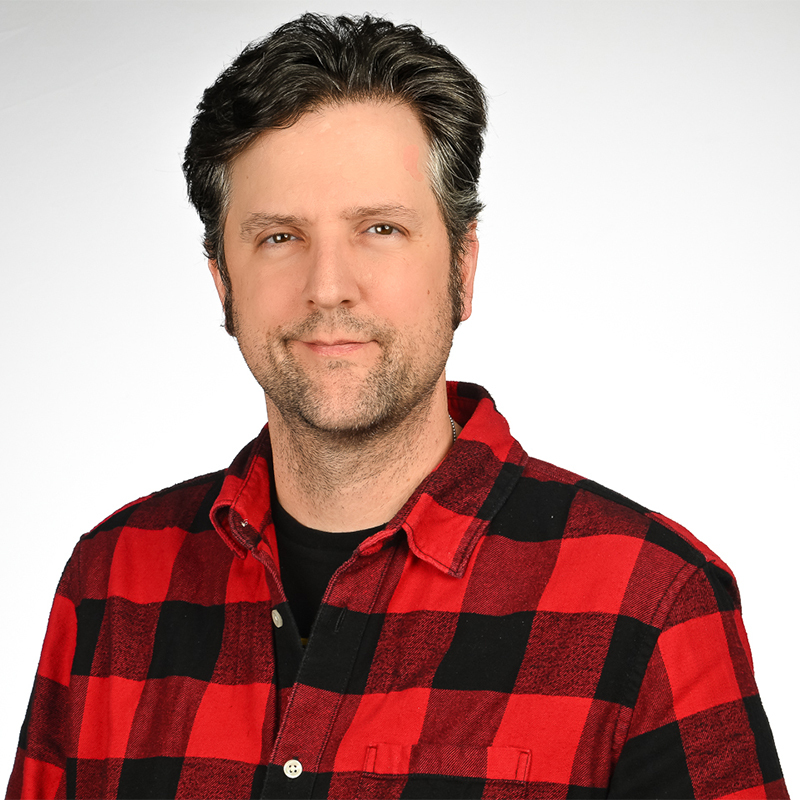
Brian Baker is an Associate Editor with Moneywise. He has been a media professional for over 20 years.

Explore the latest

Disclaimer

The content provided on Moneywise is information to help users become financially literate. It is neither investment, tax nor legal advice, is not intended to be relied upon as a forecast, research or investment advice, and is not a recommendation, offer or solicitation to buy or sell any securities, enter into any loan, mortgage or insurance agreements or to adopt any investment strategy. Tax, investment and all other decisions should be made, as appropriate, only with guidance from a qualified professional. We make no representation or warranty of any kind, either express or implied, with respect to the data provided, the timeliness thereof, the results to be obtained by the use thereof or any other matter. Advertisers are not responsible for the content of this site, including any editorials or reviews that may appear on this site. For complete and current information on any advertiser product, please visit their website.

†Terms and Conditions apply.






