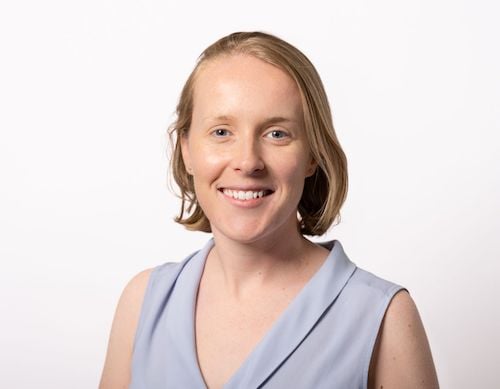
Lauren Eakin suffered “pure panic” when her Medicaid coverage lapsed in June.
The 34-year-old Floridian is legally blind and confined to a wheelchair with cerebral palsy — but she’s managed to live a relatively normal life in her own apartment, with the help of caregivers paid for through Medicaid.
“I need help for the rest of my life,” she told NBC News. “[From] getting up to eating, to preparing meals, to going out in the community, I need help … almost 24/7.”
But in June 2024, the payments to her caregivers suddenly stopped and Eakin’s quality of life spiraled overnight. The state of Florida had revoked her essential Medicaid coverage after she failed to provide them with information that would prove her eligibility for financial support.
Eakin is one of 1.9 million Floridians who lost their Medicaid coverage, per KFF, in a process known as “unwinding.” According to NBC, patient advocates estimate that thousands of disabled people, like Eakin, have been a victim of these cuts.
Medicaid ‘unwinding’
During the pandemic, the federal government ruled that people enrolled in Medicaid could maintain their coverage for the duration of the public health emergency — even if they had technically lost their eligibility through that period.
That continuous enrollment condition officially came to an end on March 31, 2023, after which point states resumed their normal operations and were able to terminate Medicaid enrollment for individuals no longer eligible — perhaps because their income had increased or they enrolled in another health insurance plan.
This “unwinding” process has hit some difficult snags in several states, including Florida — with thousands of Americans, like Eakin, being disenrolled for procedural or administrative reasons like incomplete paperwork, submitting a late application or not having a current address on file.
In Eakin’s case, she was sent several digital notices asking for more information, according to NBC, but as a legally blind individual, she couldn’t read the demands. The notices were not sent to her carers, who claim they could have helped her to confirm her eligibility before it was too late.
“Their process is really bad for individuals who have vision impairments and who are disabled … Especially if you don’t have computer skills, and that’s the only way that you’re being notified,” said Eakin.
Must Read
- The ultra-rich use these 5 real estate strategies to build wealth while they sleep — you can start with just $100
- Here’s the average income of Americans by age in 2026. Are you keeping up or falling behind?
- Insurance companies profit most from drivers who auto-renew without shopping around. Comparing 100+ quotes takes 2 minutes and costs nothing
Join 250,000+ readers and get Moneywise’s best stories and exclusive interviews first — clear insights curated and delivered weekly. Subscribe now.
Class action lawsuit
When Eakin’s Medicaid coverage lapsed, her head carer Kimberly Bryant stepped up to pay her bills. According to NBC, Bryant took out almost $14,000 in personal loans to pay for the (dramatically reduced) caregiving that Eakin received during the three-month gap she went without Medicaid assistance.
“My employees need their money,” said Bryant, who runs a home and community-based caregiving company. “They can’t just sit here and wait for months without continuing to get paid. And that’s pretty much what they left us to do.”
Bryant doesn’t know if she’ll ever get reimbursed for the help she gave Eakin during her Medicaid coverage lapse, but says she “couldn’t walk away” from someone so clearly in need of help.
Fortunately, Eakin’s coverage was restored in early September — but her faith in the healthcare system may never recover. Thousands more Americans have suffered a similar fate and are yet to resolve their coverage disputes with their states.
This has now become a legal matter. A class action lawsuit has been filed in Florida, with plaintiffs alleging the state violated the constitutional rights of tens of thousands of Floridians by ending their Medicaid coverage “without adequate notice” and with “little or no explanation of the actual reason.”
During a press conference on Aug. 21, Florida’s secretary of the state at the Department of Children and Families, Shevaun Harris, denied that Floridians were being disenrolled from Medicaid unfairly, saying, “We’re committed to ensuring that anyone who is eligible maintains coverage.”
Civil rights complaints have also been filed in Colorado, Texas and Washington D.C., alleging the “unwinding” process has involved discrimination against people with disabilities.
You May Also Like
- JP Morgan sees gold hitting $6,000/oz before 2027 — and a Gold IRA lets you hold the physical metal while deferring the tax bill. Get your free guide from Priority Gold
- Dave Ramsey warns nearly 50% of Americans are making 1 big Social Security mistake — here’s what it is and the simple steps to fix it ASAP
- Thanks to Jeff Bezos, you can now become a landlord for as little as $100 — and no, you don't have to deal with tenants or fix freezers. Here's how
- Millionaires under 43 are reshaping investing — just 25% of their portfolios are in stocks. Here’s where their money is going
Bethan Moorcraft is a reporter for Moneywise with experience in news editing and business reporting across international markets.