

Advertisement
Advertisement
A generational battle is raging at the heart of America’s real estate market.
As retirement-ready baby boomers look for new digs, hotshot young millennials are entering the market.
In the next 10 years, 44.9 million millennials will turn 34, the median age for first-time homebuyers, Zillow says. That’s 7.4% more potential first-timers than during the last decade.
But at the moment, there are nearly twice as many baby boomer homeowners as millennial homeowners, Zillow found, by examining census data.
So what are these vastly different generations looking for when they buy homes? See how they disagree on 10 popular housing features.
Advertisement
1. Kitchens
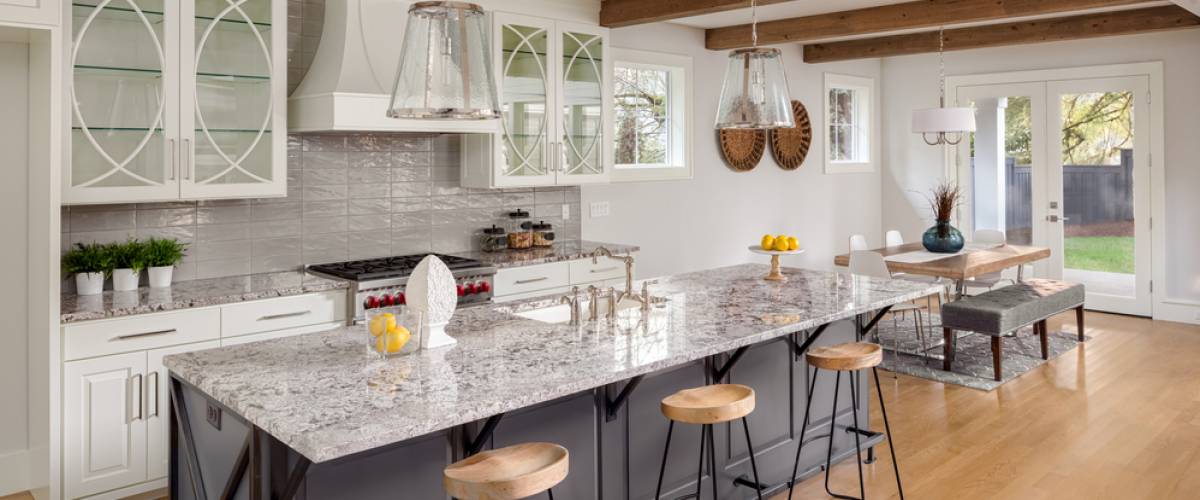
In the kitchen, baby boomers want sprawling luxury, while screen-queen millennials crave tech connectivity.
Boomers love high-end finishes, oodles of storage for kitchen gadgets, and touch-activated fixtures that take on importance with aging, says decorating website Houzz.
Advertisement
Meanwhile, a 2015 Think with Google study found that 59% of millennials cook with their smartphones. Unsurprisingly, young homebuyers appreciate splash-free zones that make it easy to follow recipes (and cat videos) without ruining devices.
Overall, 80% of all homebuyers rate a walk-in pantry, double sinks and space for a dining table as essential or desirable in the kitchen, says a survey from the National Association of Home Builders, or NAHB.
Advertisement
What millennials are saying

Here's what part-time professional chef and full-time millennial trimolius thinks their dream kitchen should like:
Thinking about it, I guess it's functionality that is most important to me. I want things like unloading the dishwasher, wiping down the counters and putting away groceries to be easy. These are the things I do every day, so I want them to be painless. I want to remodel but I am really not sure of how to even achieve this.
I guess it's a combination of good layout and having ample storage space so nothing is shoved into a dark corner. And choosing practical materials that are easy to keep clean. Also a decent backsplash so that I can keep my recipe book open while cooking.
Advertisement
2. Square footage

Baby boomers are looking to "downsize" — but they’re not about to buy an 80-square-foot tiny house.
About 75% want less than 1,900 square feet of space. That’s smaller than a three-bedroom, two-bathroom house — or, put another way, just right for hosting grandkids but too small for adult children to move back in.
Meanwhile, 35% of millennials want at least 2,300 square feet to spread out in, according to the NAHB survey.
That’ll fit three or more bedrooms, Mom's Etsy workshop and space for the kids to practice karate without putting dad's vintage telescope at risk.
Advertisement
What millennials are saying

Two Reddit users have weighed in on the issue:
Our house is 3,500 square feet, five bedroom and four bathroom. It's a lot more than we need (no kids yet), but it's nice to know we'll never need to move, and it's not straining our finances in the meantime.
Depends on family size. I don't want a McMansion and I think 2,200+ square feet is more than I'd care to maintain. Cleaning is definitely not a favorite chore of mine. Not to mention, home heating bills. With two to four family members I'd say 1,100 to 1,800 square feet and two to three bedrooms would be ideal.
Advertisement
3. Pet amenities

When buying a new home, Fido's comfort is top priority for pet-obsessed millennials.
One third of millennials say their No. 1 consideration for buying their first house is to give their pets more space. That reason beats out "marriage" and "the birth of a child," in a survey from SunTrust financial services.
Young pawrents also seek extra roaming space and indoor cameras to monitor the fur kids' activities during the day.
Advertisement
In contrast, baby boomers aren't looking for homes customized for their fluffy pals. The builders survey found special showers for pets are among the least popular home features for the older generation.
Advertisement
What millennials are saying

Here's what Reddit user teutonictwit considered when purchasing a home with their furry friends:
When buying a house and planning on having dogs in a fenced-in area, check out the neighbors first. It's a good idea to walk around the neighborhood prior to buying to see what happens there during the daytime and a good idea too at night.
I bought a house with a chain-link fence around about half the back yard (big yard). Had a doggie-door installed so my two labs could come and go as they needed. Next door neighbors were on vacation when I bought the house.
They returned and when they would leave for work they would put their four chihuahuas out into their back yard, with no doggie door. They were stuck outside until their owners would return home!
Those four dogs barked non-stop, all day, every day for five years until I finally moved.
Advertisement
4. The number of floors
How small is too small for comfort? A single-story home, say space-hungry millennials.
Only 35% of young homebuyers would consider moving into a one-story house, finds the National Association of Homebuilders.
However, more than half the coveted multistory single-family homes in America are owned by baby boomers, and many refuse to sell their houses until age 75, leaving fewer options for picky young buyers.
Of the boomers who would sell their homes, 75% are perfectly content to move to their own one-story house.
Advertisement
What millennials are saying

This millennial Reddit user, 6ickle, certainly didn't hold back when discussing their dream home:
My dream home:
1. Five floors with 11-12 foot ceilings and elevators.
2. A dummy waiter that brings my groceries from the garage to the kitchen.
3. An indoor swimming pool (with hot tub) that is connected to the garden.
4. Cellar with a cold storage.
5. Game room.
6. Theatre room.
7. Spa bathroom (with steam room, dry sauna).
8. Large chef's kitchen with pizza oven and an adjoining pantry with hidden mini elevator/stairs that provides access to the cold storage in the cellar.
9. Solar panels.
10. A large garden with a fish pond.
11. Windows throughout that can go opaque or clear.
Advertisement
5. The number of bedrooms

Sick of entertaining overnight guests? You might be a baby boomer.
The homebuilders survey found that 30% of older homebuyers want three or fewer bedrooms, and only 20% want four. Fewer rooms equals fewer guests — score! (But also fewer opportunities to become an Airbnb host.)
Meanwhile, 87% of millennials rate having at least three bedrooms as "essential" or "desirable" in a new home.
The most optimistic millennials would love four or even five bedrooms.
Advertisement
What millennials are saying

Here's what an anonymous millennial couple is doing with their extra bedrooms:
We're a child-free couple currently shopping for a three to four bedroom house.
We like the idea of one or two guest bedrooms for our friends/family to crash in, in addition to using bedrooms as separate home offices since both my partner and I work from home on a semi-regular basis.
My ideal home looks like:
1. Master bedroom with attached master bathroom.
2. Guest room with attached bathroom (for one of us to use when we're both trying to get ready for work at the same time during the week).
3. Third bedroom to be used as a home office for my partner.
4. Finished basement to be used as a home office for me, as well as a futon or pull-out couch for guests.
Advertisement
6. The backyard

Haven’t you heard? #Plantlife is trending — and millennials want a big garden at all costs. Preferably at a home with a photogenic deck, a front porch and a patio for entertaining.
Trendy young homeowners are adding vegetable patches, water features, weatherproof speaker systems and even pizza ovens to their outdoor spaces.
Meanwhile, after years of tending grass and bushes year-round, baby boomers prefer buying homes with small backyards.
Anything to cut down on the mowing.
Advertisement
What millennials are saying

This Reddit user, easycheesy, thinks that a big backyard is essential to bringing their dream home to life:
Oh, I would love to have a big backyard. Definitely looking into that when considering purchasing my next home with my wife.
Here's what my dream backyard looks like. I’d need to win the lottery for this, but here we go:
1. I’d like a sunken fire pit, heated pool and jacuzzi, outdoor bar and a large BBQ.
Advertisement
2. I would like to have a mix of decking, paving and grass, plenty of seating and some outdoor heaters. I love palm trees and cherry blossom trees, so they’d be dotted around the property.
3. A sea view to top it all off would be great.
Advertisement
7. Neighborhoods
Baby boomer homebuyers have been losing interest in moving to retirement communities, where they'd be surrounded by lots of other older people.
Senior community living is fading fast as retirees opt to age in place in their homes or move to more diverse neighborhoods.
Nearly 7 in 10 baby boomers (68%) also want to be close to restaurants, shopping and family, finds a study from the homebuilders trade group.
Meanwhile, 38% of millennials crave high-quality, low-density neighborhoods that are close to cities, nature and other amenities.
Advertisement
What millennials are saying
This millennial home-owner, camvacek, loves their mix of city-life and suburbs:
We personally love the Elkhorn area — it's a thirty minute drive to Omaha, Nebraska. The district is the top-ranked in the state and has been for some time.
Advertisement
Accordingly, we also pay the highest amount of taxes, but I just figure it works out to be the same because I feel like our kids our getting a quality education at the public schools in the area, and we have a great mix of city life within the suburbs.
Neighbor kids are always out playing, we watch each other's kids, eat each other's foods, help each other out and regularly have unplanned cookouts at each other's houses.
Advertisement
8. Energy efficiency

Luxury appliances are top priority for baby boomers, and saving the planet is just a bonus.
This generation doesn’t mind having energy-saving doodads at home, as long as they look sleek, finds the National Association of Home Builders.
Half of millennials surveyed said energy-efficient appliances are absolutely essential when buying a new home.
However, while young eco-conscious homebuyers demand new homes packed with green features, a Deloitte study says 65% of boomers and 47% of millennial homeowners won't upgrade existing appliances to efficient ones because the old ones still get the job done.
Advertisement
What millennials are saying

Smart home features and energy efficiency would be a big boon to millennial would-be home-buyer, grumble11:
My dream home:
1. Insulated car garage with door access to home interior.
2. Hydronic heated floors throughout home.
3. Zoned cooling system.
4. Triple-pane double-low e coated windows, insulated fiberglass frames.
5. Composite deck (careful about how much it heats up, maybe use a light colour and a cooler material).
6. Extremely high insulation standard (insulated siding, excellent attic insulation, basement floor insulated, etc.)
7. Entire home smart wired, lights, blinds and doors.
8. Solid hardwood site finished on top floors, high-end vinyl planks in basement.
9. Ethernet wired to each room.
10. Fairly soundproof rooms.
11. A sprinkler system.
12. Heated driveway.
Advertisement
9. Warm weather

If boomers want to avoid retirement communities, then they might want to move somewhere other than Florida.
But the majority of baby boomers still look for homes in warm climates, and it's probably no surprise that nearly 84,000 seniors moved to Florida between 2012 and 2017 — more than to any other state, says the Brookings Institution.
More recently, retirees have been fleeing Florida because of hurricanes and climate change, according to Jon Rork, a retirement migration expert at Reed College in Portland, Oregon.
As for millennials, they enjoy warm, sunny places, too, but they’re mainly motivated by lower living costs and employment opportunities in growing cities across Texas, Washington, Arizona and Colorado.
Advertisement
What millennials are saying

A warm, temperate climate is of utmost importance to seasoned millennial home-buyer, txholdup:
I'm living in my eighth house. Every time I have considered a house to purchase I do several things.
Advertisement
I walk the neighborhood during the day and look closely at the surrounding houses. Are there old washers on the side of houses, do the plants on the patios appear dead, does that car look like it hasn't moved in several months? Then I check out the area at night. Would I feel safe walking my dog at night?
I look at the Farmers Almanac and see if the weather has been mild or moderate for the past few years. Could I see myself living where it rains for eight months of the year?
Advertisement
10. Renovate vs. move-in ready
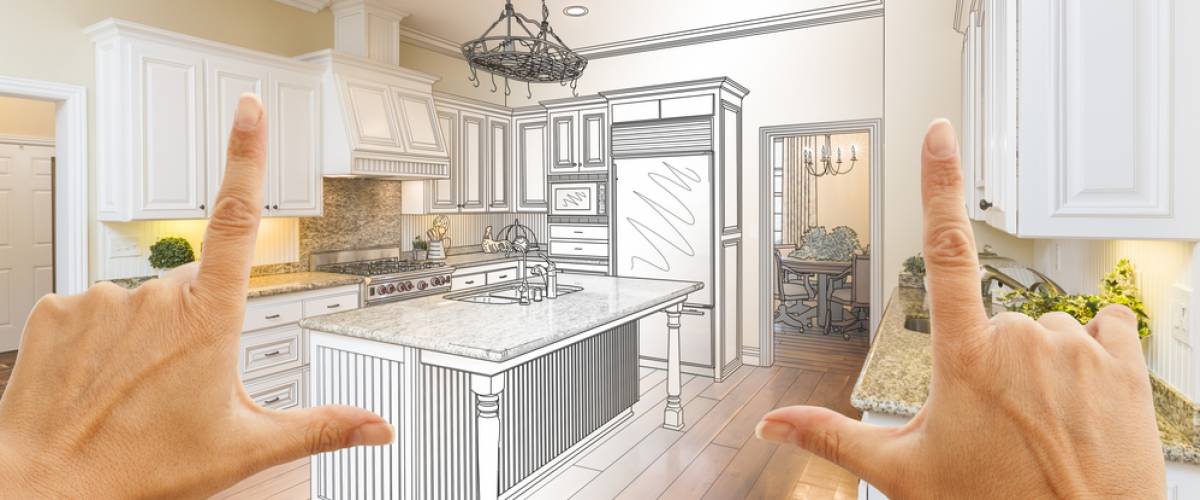
Millennials are obsessed with HGTV’s home reno shows — and almost 68% of them would buy a fixer-upper, finds a survey from the real estate site Clever.
The 20- and 30-year-olds also are more likely than baby boomers to renovate their homes to add value.
Boomers prefer buying brand-new houses to avoid making expensive repairs. Those with older homes will renovate to modernize and add luxe elements, says HomeAdvisor’s 2018 State of Home Spending Report.
In 2018, homeowners across the age spectrum spent five times more money on home improvement than maintenance, with bathroom remodeling as the most popular project.
Advertisement
What millennials are saying

This Reddit user | spinny37 wowed users by creating their own dream home:
We bought a fixer-upper and have no regrets.
My fiance and I live in Seattle, where the housing market is completely insane. Buying anything in the city bigger than a matchbox requires way more money than either of us have.
Advertisement
So — we found a house in the boonies that had been on the market for a while. There was so much wrong with it that we ended up getting it for slightly under asking price.
The only catch was that basically only half the house was livable, and the other have needed to be completely overhauled. Growing up, my parents built the house we lived in from the ground up and I was fortunate enough to inherit a lot of their skills.
I also got super lucky and was able to borrow their tools that they'd accumulated during over 30 years, which saved a ton of money.
Over the course of six months, my fiance, my dad and I ripped out the bad, and built up the good. We spent every waking moment that wasn't at our day jobs on the house. We love it now.
Millennials and babyboomers disagree on more than just housing. The younger generation is also killing off iconic brands slowly, with sales dipping across the U.S.
The millennials have spoken — and these brands you love may be gone before you know it.
Advertisement
1. Diet Pepsi

Diet Pepsi was super popular in the ‘90s
Diet Pepsi was super popular in the 1990s, but sales have fallen drastically in recent years. Competitors including Diet Coke also have seen their sales lose some fizz.
While diet sodas first came onto the market in response to worries about sugary sodas, today there’s concern about the potential harms of ingesting artificial sweeteners and aspartame.
Plus, observers say that following a controversy over a commerial starring Kendall Jenner, the Pepsi company has been playing it too safe with its advertising campaigns.
Instead of Diet Pepsi, millennials are turning to healthier drinks — like sparkling water. Its sales have risen astronomically in the last few years, thanks to the emergence of brands including La Croix, Spindrift and PepsiCo's own Bubly.
Advertisement
2. Crocs

Crocs may be seeing their final days
Crocs, the comfy foam footwear beloved by moms, groan-worthy dad jokers, campers and gardeners, might be seeing their final days.
What's gone wrong? First, the shoes are so durable they last forever and don't really need replacing.
And, there's been some debate about whether wearing Crocs is bad for your feet.
Advertisement
Podiatrists warn that everyday use of Crocs can lead to tendinitis, toenail problems, corns and calluses. Plus, Crocs’ simple design makes them easy to copy, meaning the market has been flooded with cheaper knockoffs.
The Crocs company has been closing scores of its retail stores since 2018, and it has shuttered all of the factories that make its footwear. But Crocs has insisted that it's not going out of business.
Advertisement
3. Wheaties

Wheaties, the one-time breakfast of champions
"Eat your Wheaties," is a thing of the past: General Mills' classic breakfast of champions isn't selling like it used to.
Sales of the cereal have slowed down, and that's been happening with all sorts of breakfast cereals. Younger consumers have been questioning the overall nutrition value of breakfast cereals.
Market researchers say younger generations also are less likely to buy cereal because they find it too difficult to eat on the go. You can't very easily down a milky bowl of cereal while you're driving or riding the subway.
Time-conscious millennials prefer travel-friendly meals — such as breakfast burritos, egg sandwiches, and smoothies — so they can scarf down their breakfasts on the run.
Advertisement
4. Tiffany

Tiffany is losing its sparkle
If Tiffany’s extended sales slump is any indication, the nearly 200-year-old jewelry brand is facing an uphill battle. American millennials have simply lost interest in the company’s signature rings, bracelets and accessories.
Advertisement
Social changes aren’t helping Tiffany & Co. either, as some couples are now avoiding splurging on diamond engagement rings — preferring to buy low-cost alternatives like zircon, white sapphire or morganite.
Some couples aren't getting married at all.
The brand hired Reed Krakoff, the designer responsible for the success of luxury brand Coach, as its chief artistic director to overhaul Tiffany designs to attract younger shoppers. But the company's stock has recently been down 20%.
Advertisement
5. Campbell's Soup

Campbell's soup doesn’t appeal to health-conscious shoppers
Campbell's Soup is now more likely to appear on a graphic T-shirt than on the dinner table. U.S. consumers ages 18 to 34 are just no longer interested in the brand that once dominated the kitchen.
The processed ingredients and preservatives in canned soups don't appeal to health-conscious shoppers, so sales have been flat since 2012.
More than ever, people are turning to fresh ingredients and healthy foods — all while cooking at home and staying away from processed goods.
Campbell’s is now focusing on its organic soups and broths, as well as its portable snacks — but even the organic stuff isn’t selling well.
Advertisement
6. Budweiser

Budweiser is no longer the King of Beers
Budweiser is no longer the "King of Beers." In early 2018, the brand fell to No. 4 in domestic beer sales in the United States.
Customers are demanding new and more exciting alcoholic beverages, and the industry has been more than willing to provide them.
Craft beer production has exploded across the country to meet demand. Other competition for Budweiser includes hard seltzers, unique flavor blends and low-carb, low-sugar alcoholic drinks.
Advertisement
It's not all bad though, since Bud Light has topped domestic sales once again. Anheuser-Busch — which owns Budweiser and Bud Light — still has a large proportion of beer brands that rank among the top sellers.
Advertisement
7. Kodak

Kodak declared bankruptcy in 2012
"Kodak moments" have moved to smartphones and Instagram — and the iconic company and brand once known for its cameras and film hasn't been able to bounce back since declaring bankruptcy in 2012.
The increasing image clarity and ease of use found in smartphone cameras just can't be beaten for the average consumer.
Kodak used to be a cutting-edge company that employed around 145,000 people. Now it's down to approximately 5,400, it's desperately dabbling in cryptocurrency.
It has introduced "Kodakcoin," described as a way for photographers to take control of managing the rights to their images. Although it's creative, this effort is probably too little too late.
Advertisement
8. Harley Davidson

Motorcycle ridership is expected to continue falling
Speaking of iconic brands, even Harley Davidson motorcycles are falling victim to the changing shopping and transportation habits of younger consumers.
The brand has been in a slump, with sales falling steadily and the company's profits plunging.
With so many millennials choosing to use ride-hailing apps and public transportation over personal vehicles, Harley Davidson "hogs" could become a luxury item of the past.
Global asset management firm Alliance Bernstein predicts motorcycle ridership will continue to decline over the next five years.
Plus who knows how the roads will change through the advent of self-driving vehicles? Roads full of driverless cars might not be hospitable to motorcycle riders.
Advertisement
9. Jell-O

Jell-O may be iconic, but it's one of those products you're almost surprised to see in the supermarket. Really? They still make that?
It's associated with childhood, cafeteria food and the molded dessert rings that Grandma always had on her holiday buffet. Morningstar analyst Erin Lash tells Food Dive Jell-O has had trouble responding to current food trends of health, wellness and convenience.
Although it's fat-free and low calorie, Jell-O's high sugar content and food coloring make it a hard sell for millennials looking for healthier foods.
Jell-O's owner, Kraft Heinz, is trying hard to win over younger consumers. It recently introduced Jell-O Play edible slime, described as a toy you can eat.
Advertisement
10. Gap

A long time ago, there was a jingle that invited consumers to "Fall into The Gap." But lately, shoppers have had more of a falling out with the clothing retailer.
Advertisement
The brand is so troubled that parent company Gap Inc. — which also owns the Banana Republic, Old Navy and Athleta chains — is considering closing hundreds of its namesake stores.
Gap's image is "lackluster" and its clothes are "samey and boring," explains Neil Saunders, managing director at the research and consulting firm GlobalData Retail.
The Gap also sells a lot of the same styles with a similar level of quality as its more affordable sister chain Old Navy, and customers just can't justify spending more.
Advertisement
11. Chevrolet Volt

General Motors is pulling the plug on its Chevrolet Volt electric car and its similar gas-powered Cruze small sedan. The company says it will stop making them in March 2019.
Sales of those passenger cars have been going downhill, because American consumers would much rather get behind the wheel of SUVs, pickup trucks and crossover vehicles.
On top of that, it seems sedan sales, in general, are down — but only for American automakers. Toyota and Honda have continuously hit enviable sales targets for their sedan lines.
GM also is killing off its Chevy Impala full-size car, and it's shutting down plants in Michigan, Ohio, Maryland and Ontario, Canada.
Advertisement
12. Chef Boyardee

There really was a Chef Boyardee, though his family spelled it "Boiardi." He founded his company in Cleveland in 1928, and moms have been relying on its canned pastas for generations.
Advertisement
But Chef Boyardee has been falling out of favor in today's era of fresher, healthier foods. The giant has been unable to shed the image of containing negative processed foods.
In 2014, the brand was blamed for lackluster earnings at its corporate parent, ConAgra Foods.
More recently, the company now known as Conagra Foods has been trying to update Chef Boyardee with higher-quality ingredients. The move has meant higher prices, too, but executives say the results are showing promise.
Advertisement
13. Twitter

Noone wants to buy Twitter
Since Twitter was founded in 2006, other social media platforms like Snapchat (which is half Twitter's age) and Instagram have been dipping into its user base.
Twitter put itself up for sale in 2016 — but prospective buyers declined to make a deal, likely due to slow sales growth and a decline in users.
High profile users like celebrities and the president keep core users engaged but outside of that, the platform has been getting a lot of backlash for ongoing issues of abuse and harassment among users.
As a result, the troubled platform is having difficulty finding advertisers and getting new users to stay tweeting.
Advertisement
14. Victoria's Secret

People aren't filling up shopping bags at Victoria's Secret the way they used to.
Victoria's Secret — the lingerie brand known for its fashion shows and skimpy styles — is looking a little ragged these days.
Viewership of the annual Victoria Secret Fashion Show has fallen by half since 2016. And, analysts say with its in-your-face sexuality, dark stores, glam image and reliance on skinny models, Victoria's Secret has lost relevance with today's consumers.
Advertisement
The brand also was hurt by a Vogue interview in which Chief Marketing Officer Ed Razek implied that the company's fashion show was no place for transgender or plus-size models.
Sales have been declining steadily since 2016. Victoria's Secret has responded by changing executives — with Razek stepping down in August 2019 — and closing stores. More than 50 are shutting down in 2019.
Advertisement
15. Fiat

The Fiat brand is disappearing in the U.S.
Although it remains wildly popular in Italy, the Fiat brand is disappearing in the U.S.
Fiat's small cars have gained a reputation for being unreliable, and for giving a "choppy" ride. Sales numbers have been dipping steeper and steeper for years.
U.S. consumers are more interested in the comfort, safety, and insurance savings offered by SUVs — and Fiat Chrysler has been retooling factories to build more of the light trucks and crossovers Americans want.
In recent years Fiat has been attempting to break into that market, with offerings such as the Fiat 500X and Fiat 500L being marketed as perfect "city-sized" SUVs.
Advertisement
16. SlimFast

SlimFast, the maker of diet shakes and drink mixes, is no longer the heavyweight it once was.
The company was recently sold in a deal valued at $350 million — a far cry from the $2.4 billion that consumer products giant Unilever paid for the brand in 2000.
And, for reference, $2.4 billion in 2000 is equivalent to approximately $3.5 billion today.
Advertisement
SlimFast has been attempting to boost sales by adding new products like cookies and protein bars, but consumers trying to lose weight have grown skeptical about whether diet bars are really helpful.
Instead, customers are seeking out fresher foods and produce that are lower in carbs.
Advertisement
17. Kenmore

Sears is going down the tubes, and the department store chain is taking its once highly regarded Kenmore appliance brand down with it.
Appliance makers used to put the Kenmore nameplate on some of their best products — companies including Whirlpool, LG and Panasonic — but not anymore. As a result, the line is no longer competitive.
Kenmore has become "the equivalent of a flip phone in the smartphone era," Sean Maharaj, director in the retail practice at consulting firm AArete, told CNN. Sears has tried to sell off the brand, but without success.
Even though Sears has filed for bankruptcy, the company has still promised to honor all Kenmore warranties.
Advertisement
18. Apple iPod

Apple called the arrival of its iPod in 2001 "the unveiling of a breakthrough digital device." Though the portable music player was more expensive than others on the market at the time, it would become a sensation.
Advertisement
The company sold 100 million iPods by April 2007. In 2008, candidate Barack Obama revealed what music was on his iPod — and later, President Obama gave one to Queen Elizabeth as a gift.
But the iPod would be made obsolete by its younger brother, the iPhone, which can hold your music and do a gazillion other things. Apple has been winding down its iPod line and now makes just one model: the Touch.
Millennials are killing more than these brands. Many people in the restaurant business blame finicky millennials for the decline of casual dining chains.
Read on for the chains that millennials are leaving behind, in favor of trendy dining spots.
Advertisement
1. Chili’s

Larry Lavine’s original Chili’s in Dallas had a one-page menu featuring an authentic “bowl of red.” That’s Texan for chili that will clear your sinuses.
But the chain has steadily migrated from its roots. Baby back ribs remain a popular mainstay, but some experts think Chili's ever-expanding menu misses the mark.
J.P. Morgan restaurants analyst John Ivankoe has said sticking to basics like ribs and fajitas would boost sales.
Speedier service might help, too. "No matter which location I go to, it takes at least 45 minutes from when I place an order to receive my food," writes one Chili's customer, on Reddit.
Advertisement
2. The Cheesecake Factory

Millennials don’t want pad thai, gluten-free pizza and ahi tacos on the same menu. They have a favorite local indie spot for each of those.
When restaurants like The Cheesecake Factory offer 250 menu items, overall quality is bound to suffer.
Advertisement
“The larger the menu, the more consumers might worry all those things aren’t going to be all that good,” Maeve Webster, a senior director at Datassential Menu Trends, told The Washington Post.
Rising prices at The Cheesecake Factory are a thing, too. The average individual tab jumped 9% over four recent years, according to one study. Overall inflation rose just 6% during the same period.
Advertisement
3. Applebee’s

The generation raised on chicken nuggets has moved on to healthier horizons. Applebee's tried but failed to do the same.
Millennials didn’t bite when their childhood post-soccer hangout baited them with chicken wonton tacos and sriracha-lime shrimp. The chain has shut down scores of its restaurants in recent years, and another 20 or more are expected to call it quits in 2019.
All hope is not lost. By concentrating on takeout, delivery and catering, Applebee's managed to make 2018 its best year in a quarter century, executives said.
The chain is leaving millennials to their edamame and is wooing back baby boomers with its "2-for-$20" menu and all-you-can-eat dinner specials.
Advertisement
4. Hooters

Both male and female millennials cry foul over Hooters' hiring practices, skimpy uniforms and sexualization of the workplace.
Some 7% of Hooters locations closed between 2012 and 2016, and it’s not just Americans who get offended by the way the chain has objectified women. Attempts to expand in the U.K. were met with protests. One restaurant that did open survived for only a year.
For three decades, Hooters offered run-of-the-mill bar fare. A menu redesign in 2013 finally introduced fresher options.
A Hooters fast-food spinoff called Hoots has ditched the revealing uniforms. The new concept is counter-service only, and the servers are both men and women.
Advertisement
5. TGI Fridays

Twenty- and 30-somethings find it hard to believe that TGI Fridays used to be jam-packed from happy hour until last call.
The original location in New York City was a singles bar that had the briefest of chalkboard menus, but growth resulted in a gargantuan menu. Back in the 1980s, everything from stuffed potato skins to eggs Benedict was made from scratch.
One former CEO, John Antioco, blamed overzealous expansion into the suburbs for the chain’s present-day woes.
However, location may not be the problem. To millennials, Fridays is just so yesterday.
Advertisement
6. Buffalo Wild Wings

Jim Disbrow got an unpleasant surprise when he relocated from Buffalo, New York to Ohio: The chicken wings in the Buckeye State left much to be desired.
With business partner Scott Lowery, Disbrow in 1982 founded what's now a struggling chain known for sports, beer and calorie bombs.
Advertisement
Buffalo Wild Wings just doesn’t fly with millennials. In a 2017 letter to shareholders, then-CEO Sally Smith summed it up this way: "Millennial consumers are more attracted than their elders to cooking at home, ordering delivery from restaurants, and eating quickly."
A 15-minute lunch guarantee might not be enough to attract younger people seeking an altogether different experience and more elevated food.
Advertisement
7. Old Country Buffet

The words "old" and "buffet" are surely a turnoff for the younger generation.
This chain — which also calls its restaurants Ryan’s and HomeTown Buffet — has shut down more than 600 of its locations since 2006. The company's website now lists fewer than 70.
Not only are buffets not Instagram-friendly, but they’re potentially dangerous. Even when safety regulations are followed to the letter, everyone, including the guy coming down with the flu, handles the same serving utensils.
Since online reviewers are quick to spread news of food poisonings or outbreaks of hepatitis A, millennials have kissed buffets goodbye.
Advertisement
8. Ruby Tuesday

To its credit, this casual dining chain was one of the first to offer healthy options. And, its strategy of opening in malls was a stroke of genius — until malls started dying off.
Advertisement
Millennials shop online and rustle up dinner through an app. The Wall Street Journal named Ruby Tuesday one of the restaurants hardest hit by the decline of America's shopping malls.
Ruby Tuesday was never as large as Chili’s or Applebee’s — and it keeps getting smaller.
The chain has shrunk from a high of about 945 restaurants to fewer than 500 locations today, according to industry reports.
Advertisement
9. Pizza Hut

Just five years ago, Pizza Hut was outselling its closest rival, Domino's, by more than 50%. But Domino's had the smarts to evolve with technology, so now it's on top.
One reason Pizza Hut has fallen behind — particularly with millennials — is that so many of its restaurants are sit-down joints. Who wants to hang out in a Pizza Hut when you can order in and watch Netflix?
As part of its recipe for recovery, the chain last year bought QuikOrder, an online service. FedEx delivery by robot, Toyota pizza-making trucks, and beer delivery could be in Pizza Hut's future.
And, about 450 Pizza Hut locations will shut down as the brand transitions away from dine-in restaurants and becomes a strictly carryout and delivery pizza chain — just like Domino's.
Advertisement
10. Sweet Tomatoes

Sweet Tomatoes — called Souplantation in Southern California — is another buffet chain. Its soup and salad bar offerings are rather predictable, but the all-you-can-eat lunches are wildly popular with cash-strapped seniors.
Millennials, who frown on scarfing all you can in one sitting, are drifting to a Sweet Tomatoes competitor called Sweetgreen.
It's winning the hearts of younger consumers with custom-prepared salads, dressings whipped up by celebrity chefs, trendy ingredients and seasonal surprises.
As for Sweet Tomatoes, its parent company filed for bankruptcy in 2016 and closed more than 20 locations. The business was $175 million in debt at the time.
†Terms and Conditions apply.