Can any of you seriously say you enjoy paying taxes? It's one of life's major annoyances, like regular dental cleanings or those unexplained traffic jams that seem to come out of nowhere.
For all that money you pay in taxes every year, you want to feel that you're getting something in return. But travel and credit card rewards site RewardExpert found that in some states, residents receive much more for their tax dollars than in others.
Here are the states where taxpayers most come out on the short end, based largely on a Census survey of state and local finances.
10. Maryland
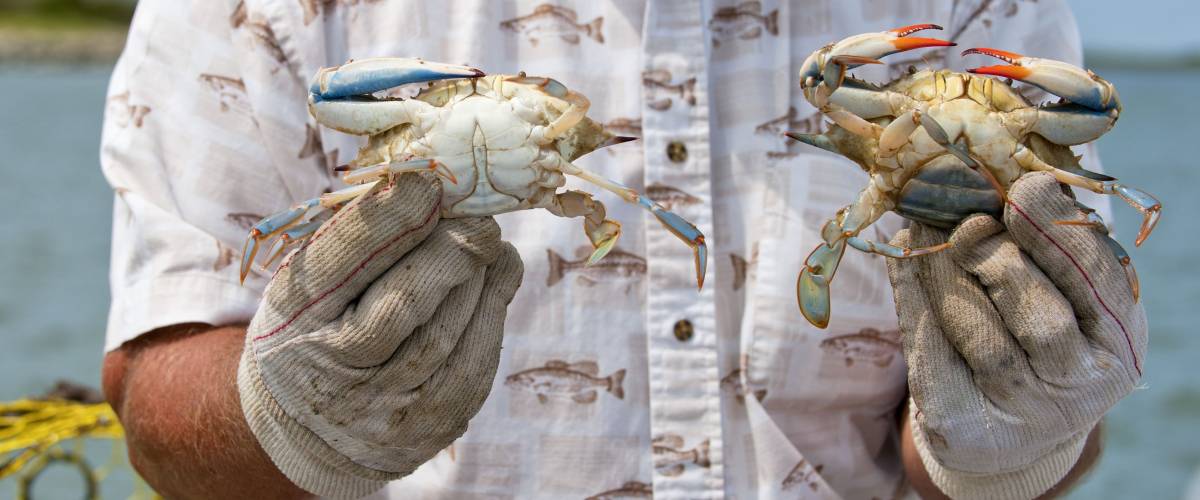
Maryland taxpayers have a right to be crabby.
In Maryland, they sell souvenir T-shirts that say "Don't bother me, I'm crabby." It's a joke about the state's famous and delicious crustaceans — but it might also sum up how residents feel about their taxes.
The average Marylander shells out (pun intended) $6,343 a year in taxes, while government spending on services, infrastructure, education and public safety equals $7,431 per person.
That gives the state's taxpayers a return on their investment of just 1.43%.
Must Read
- Dave Ramsey warns nearly 50% of Americans are making 1 big Social Security mistake — here’s what it is and the simple steps to fix it ASAP
- Robert Kiyosaki begs investors not to miss this ‘explosion’ — says this 1 asset will surge 400% in a year
- Vanguard reveals what could be coming for U.S. stocks, and it’s raising alarm bells for retirees. Here’s why and how to protect yourself
Join 250,000+ readers and get Moneywise’s best stories and exclusive interviews first — clear insights curated and delivered weekly. Subscribe now.
9. Colorado
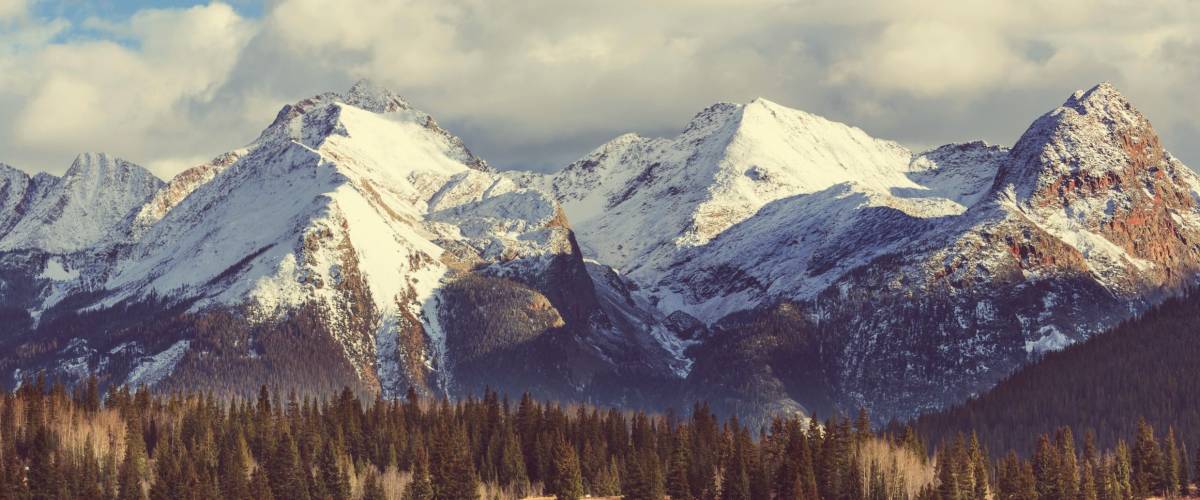
Rocky Mountain high? Not when it comes to the value of taxes paid in the state.
In a land of legal weed, the old song title "Rocky Mountain High" is now a punch line. But people in Colorado would never joke about getting "high" value for their tax dollars.
State residents pay an average $4,790 each year in taxes and get back $5,845 per person in government spending on roads and bridges, schools, police and other services.
That makes for a return on investment per taxpayer of only 1.40%.
8. New Jersey
Given the taxes, why do these New Jerseyans seem so happy?
People in New Jersey will tell you that they don't get enough respect. But what they do get is taxed. There are tons of taxes — though relatively little to show for them.
Garden State residents annually hand over an average $6,549 in taxes. They receive $7,552 per person in government spending on trains and other infrastructure, education, public safety and the rest.
That means each taxpayer gets a return on investment of just 1.39%.
Read More: Dave Ramsey says this 7-step plan ‘works every single time’ to kill debt, get rich in America — and that ‘anyone’ can do it
7. Indiana
Hoosier Daddy? And what does he think of the taxes he's paying?
People in Indiana are called Hoosiers. Taxes in the state are called a very poor value.
Indiana taxpayers take an average $4,099 hit each year. In exchange, they get $4,775 per person from government spending on roads and bridges, education (including Indiana University), police and other services.
That works out to a return on investment for the state's residents of a mere 1.34%.
6. Virginia
Virginians probably feel a different emotion where taxes are concerned.
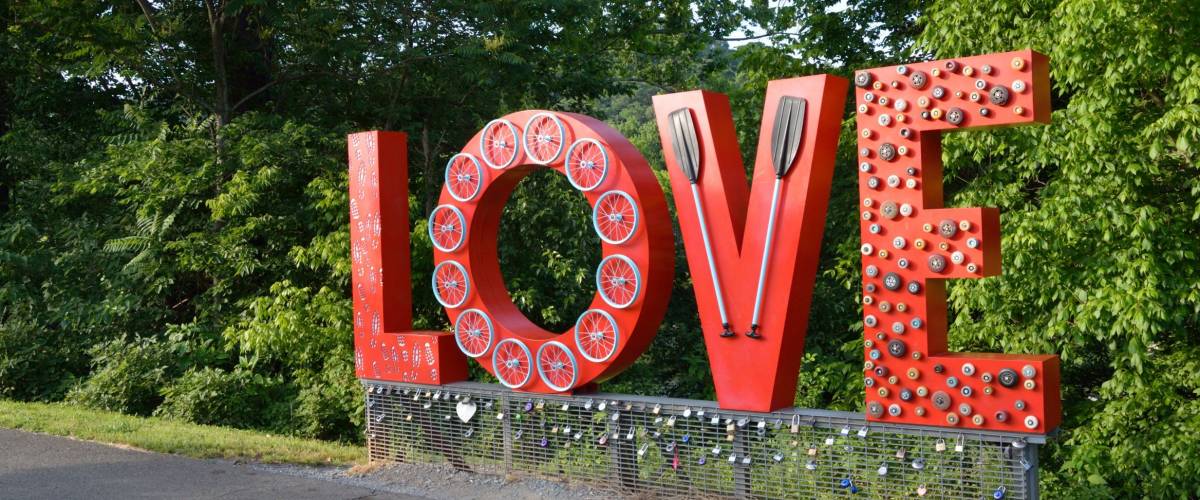
Virginia may be for lovers, but for taxpayers? Not so much, according to the RewardExpert study.
The average Virginian faces a tax bill of $4,822 per year and gets back $5,548 in government spending on services, infrastructure, schools and public safety.
That makes for a measly return on investment per taxpayer of only 1.10%.
5. New Hampshire
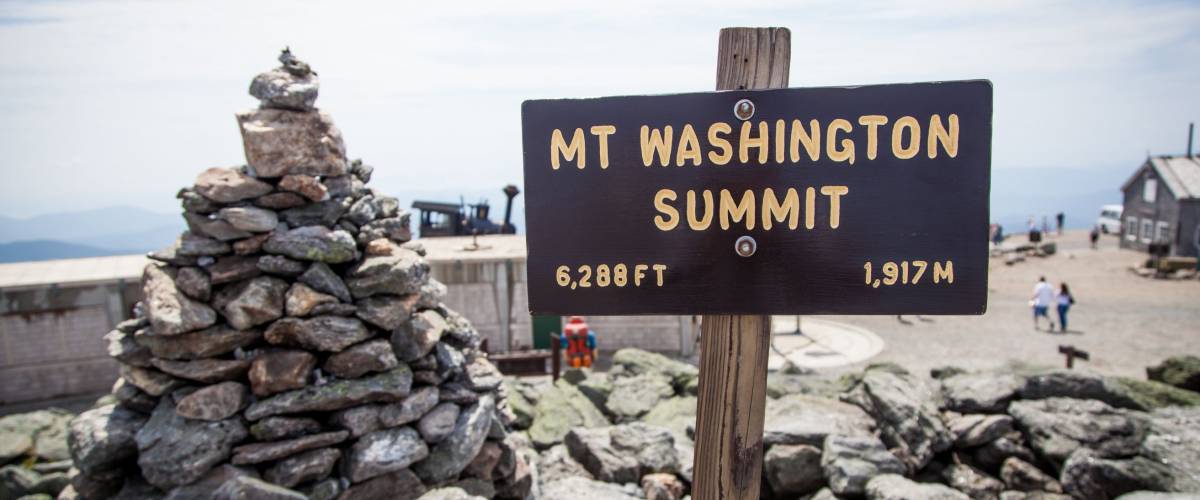
Taxes in New Hampshire blow -- like the winds atop Mount Washington.
The Granite State has no personal income tax, no state sales tax and no inheritance or state tax. But taxes still blow — like the high winds atop Mount Washington. The state has high property tax rates, plus taxes on interest and dividends.
New Hampshire taxpayers each pay an average $4,725 a year, while government spending on highways, schools, public safety and other services comes out to $5,470 per person.
That gives the state's residents a return on their investment of just 1.06%.
4. Nevada
Nevada taxpayers hardly feel like winners.
Odds are that your tax dollars won't go very far in the state that's home to Las Vegas and other gambling meccas.
Though Nevada also has no state income tax, residents annually pay taxes averaging $5,059 — and they receive just $5,260 each in government spending on education, infrastructure, police and the other things that matter.
The math works out to a return on investment for Nevada taxpayers of just a crummy 0.38%.
3. Connecticut
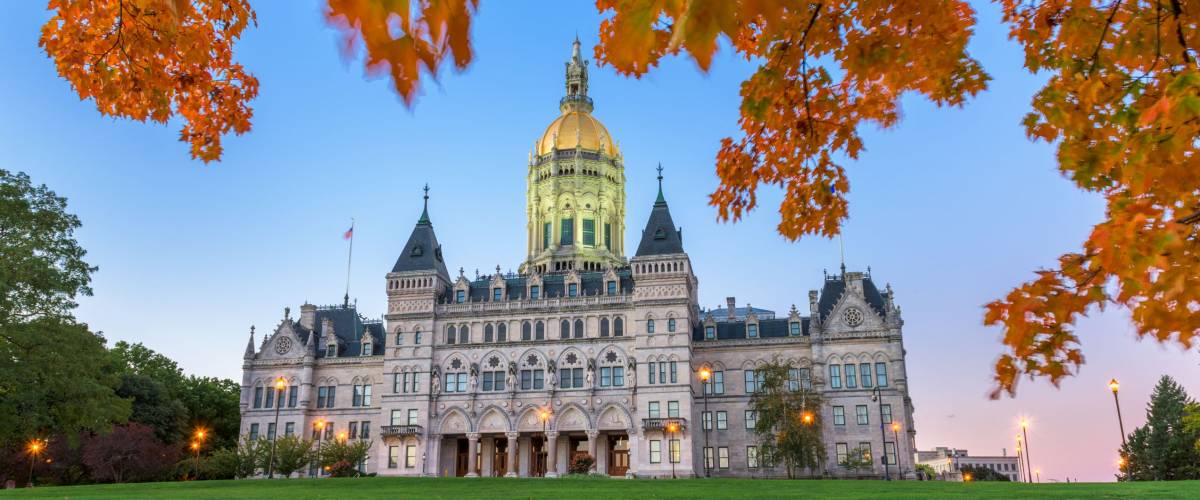
Unlike the autumn leaves at the state Capitol, Connecticut taxes aren't pretty.
Connecticut is a small, expensive state with big tax bills, and residents pretty much get what they pay for — nothing more.
People living in this corner of New England that dips into the New York City suburbs pay an average $7,732 per year in taxes while benefiting from government services and other public spending to the tune of just $7,861 each.
That gives Connecticut taxpayers a return on their investment of a teensy 0.20%.
2. North Dakota
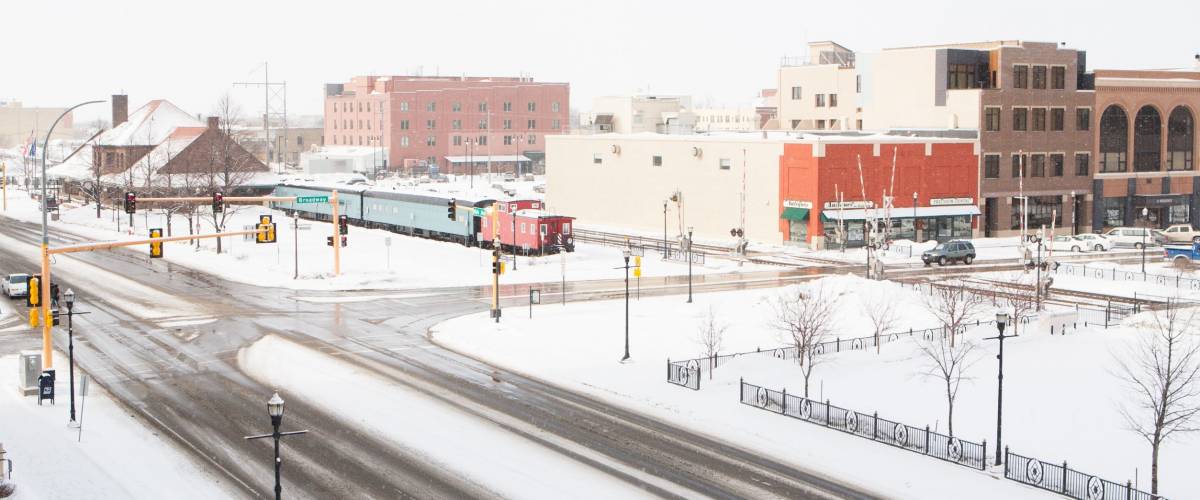
Winters are bleak in North Dakota -- and so are the taxes.
Quick, which state is the one where taxes bite hardest? New York? California? Nope — North Dakota has the worst tax burdens of any state, and behind only the District of Columbia.
Residents pay taxes averaging an astounding $9,465 per person. Each receives nearly the same amount — $9,532 — in spending on highways, police services, education and the rest.
The return on investment for North Dakota taxpayers is a microscopic 0.11%.
1. Hawaii
You may need more than a few Mai Tais to cope with the taxes in Hawaii.
Ah, the beaches! The luaus! The hula dancers! But the 50th state is no paradise when it comes to taxes. In fact, Hawaii is the only state where people pay more in taxes than they get back, in terms of state and local government spending.
Hawaiian taxpayers say aloha (in this case, meaning "goodbye") to an average $6,942 a year. But spending on infrastructure, schools and services comes out to $6,826 per person.
That makes for a losing return on investment of -0.16%.
You May Also Like
- Turning 50 with $0 saved for retirement? Most people don’t realize they’re actually just entering their prime earning decade. Here are 6 ways to catch up fast
- This 20-year-old lotto winner refused $1M in cash and chose $1,000/week for life. Now she’s getting slammed for it. Which option would you pick?
- Warren Buffett used these 8 repeatable money rules to turn $9,800 into a $150B fortune. Start using them today to get rich (and stay rich)
- Here are 5 easy ways to own multiple properties like Bezos and Beyoncé. You can start with $10 (and no, you don’t have to manage a single thing)
Doug Whiteman was formerly the editor-in-chief of MoneyWise. He has been quoted by The Wall Street Journal, USA Today and CNBC.com and has been interviewed on Fox Business, CBS Radio and the syndicated TV show "First Business."
Mortgages • Apr 17
What is a home equity line of credit (HELOC)?
Mortgages • Mar 19