It’s one of the most important questions that Americans have to answer as they near retirement: What age should you start collecting Social Security benefits?
Experts typically advise that you should wait as long as possible to start claiming your benefits.
But some social media “finfluencers” are flipping the script, saying that you’ll get more cumulative benefits if you start collecting as soon as possible.
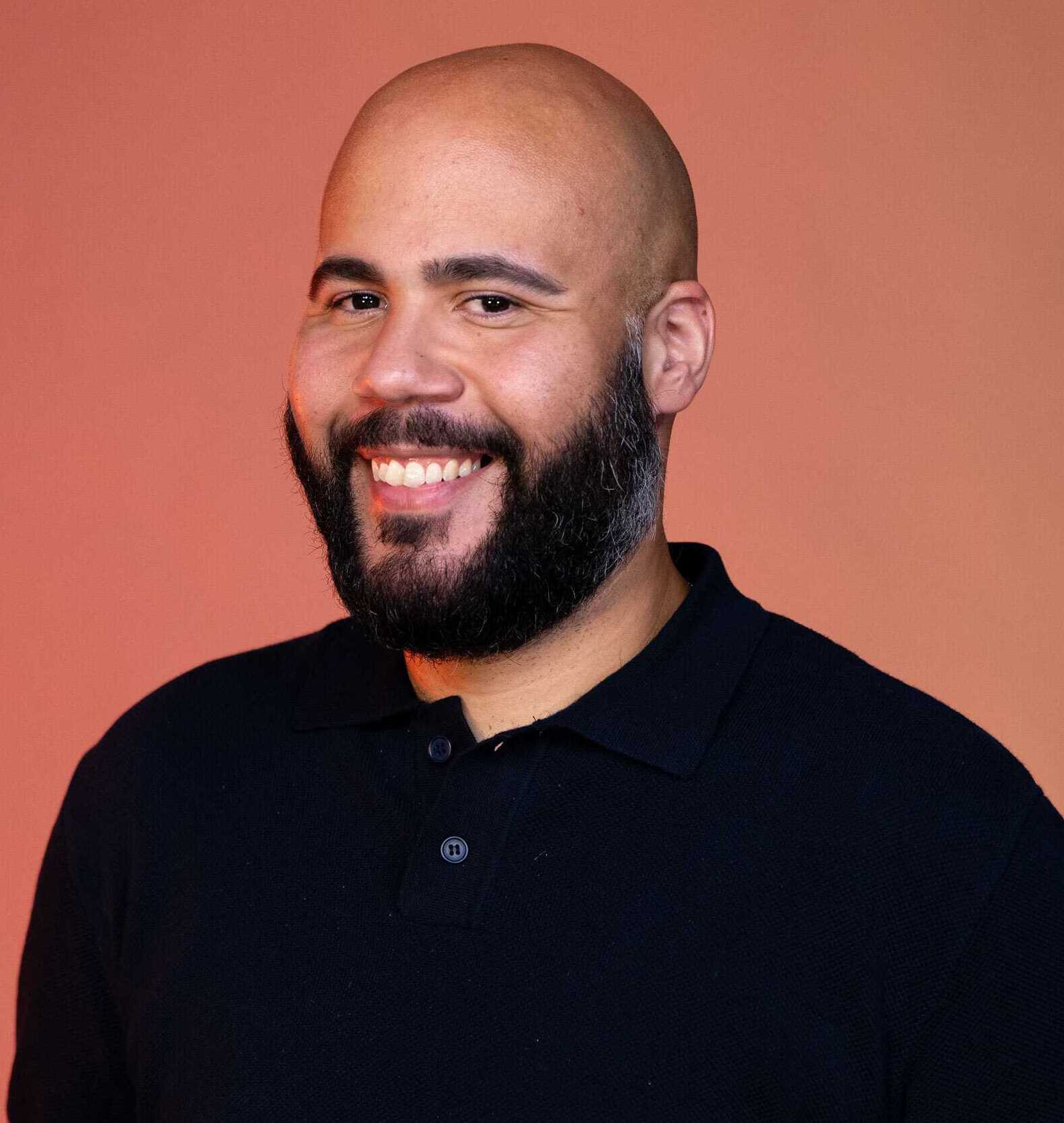
“Taking Social Security at 62 is a no-brainer,” says Certified Financial Planner and Wall Street vet Taylor Sohns in a video viewed more than two million times on Facebook.
“The wait until 70 advice is not as smart as people think,” argues Tyler Gardner, a former financial advisor and portfolio manager with over two million followers, in a recent Instagram post.
The benefits of waiting past 62
While you can start receiving benefits at age 62, those benefits will be reduced by a percentage that’s based on how far you are from your full retirement age (FRA) (age 66 or 67), depending on your birth year.
Once you reach your FRA, you’ll receive your full benefit. But if you delay taking benefits even past your FRA, you will receive an additional 8% increase for each year you delay until age 70.
If you start receiving benefits before your FRA, the reduction in your benefit amount is permanent.
So, why are financial influencers urging people to take their benefits as soon as possible?
Sohns, however, bases much of his reasoning on a “break-even age,” which is the age when you’ll have received more total income by delaying than if you had started at 62.
“If I add up all the payments, I wouldn’t break even by waiting to full retirement age until I’m 79 years old. And the average American dies at 78,” Sohns says in his October Facebook post.
Gardner too points to the issue: “For me that crossover happens at 80 years old… So then I checked my expected life expectancy. It’s around 82. So the entire argument for waiting comes down to maximizing three years of more income, sacrificing closer to 18.”
In Gardner’s view, “Nobody attaches the appropriate weight to spending more money in your 60s when you're physically and mentally far more apt to enjoy what money can actually buy.”
A CNBC report does echo the break-even age, saying it “typically falls in the late 70s or early 80s.” It adds that the Social Security Administration (SSA) used to provide a break-even analysis for those calculating when to start their benefits, but it stopped doing so in 2008 because of “concerns from within the agency, as well as from external stakeholders and researchers, that it may distort claiming decisions.”
But experts say the break-even age leaves out other important considerations you should make when deciding when to claim.
“I continue to think a break-even analysis is the wrong framing for considering when to take Social Security retirement benefits,” said Jason Fichtner, a former SSA executive whose roles included acting deputy commissioner and chief economist.
Fichtner told CNBC that by waiting until age 70, you’d receive a 77% larger monthly benefit than if you had started at 62.
Instead of using the break-even framing, Fichtner said that “Another way of framing this discussion is to realize that claiming at any age before age 70 is a penalty.”
Must Read
- Dave Ramsey warns nearly 50% of Americans are making 1 big Social Security mistake — are you doing the same?
- Thanks to Jeff Bezos, you can now become a landlord for as little as $100 — and no, you don't have to deal with tenants or fix freezers. Here's how
- Robert Kiyosaki says this 1 asset will surge 400% in a year and begs investors not to miss this ‘explosion’
Join 250,000+ readers and get Moneywise’s best stories and exclusive interviews first — clear insights curated and delivered weekly. Subscribe now.
Other factors to think about
Guidance from the SSA about what to consider when it comes to starting your benefits states that “retirement may be longer than you think,” which is a key reason that experts advise waiting to start your benefits, if you are able.
If you simply look at your break-even age and compare it to the average life expectancy in the U.S., it could convince you that you should start your benefits as soon as you’re able; life expectancy for men is 76.5 years and for women it’s 81.4 years, so if your break-even age is in your late 70s, it could seem like a no-brainer to not wait.
But, according to the SSA, about one in three Americans who were 65 in 2024 will live until at least age 90 — and 1 in 7 will live until at least age 95.
If you shift your view on Social Security benefits, thinking of them as “valuable protection against outliving savings and other sources of retirement income,” as the SSA puts it, the risk of starting early may become more clear.
Certified financial planner Joe Elsasser told CNBC that only focusing on your break-even age can mean that you’re not considering your full financial plan, including tax implications and the rest of your retirement portfolio.
Elsasser also said that for married couples where one person is a higher earner, they “really should not use break-even as a decision point,” because it could lead to a situation where the lower-earning spouse is left with a much smaller survivor benefit.
When you start your Social Security benefits is a highly personal decision that should be based on your specific circumstances — your health, your current and future income needs, your family situation and more.
Although some finfluencers might say starting at 62 is the best decision, the right move will ultimately be making an informed decision based on your own personal situation.
You May Also Like
- Turning 50 with $0 saved for retirement? Most people don’t realize they’re actually just entering their prime earning decade. Here are 6 ways to catch up fast
- Inside a $1B real estate fund offering access to thousands of income-producing rental properties — with flexible minimums starting at $10
- Vanguard’s outlook on U.S. stocks is raising alarm bells for retirees. Here’s why and how to protect yourself
- Here are 5 easy ways to own multiple properties like Bezos and Beyoncé. You can start with $10 (and no, you don’t have to manage a single thing)
Rebecca Payne has more than a decade of experience editing and producing both local and national daily newspapers. She's worked on the Toronto Star, the Globe and Mail, Metro, Canada's National Observer, the Virginian-Pilot and Daily Press.