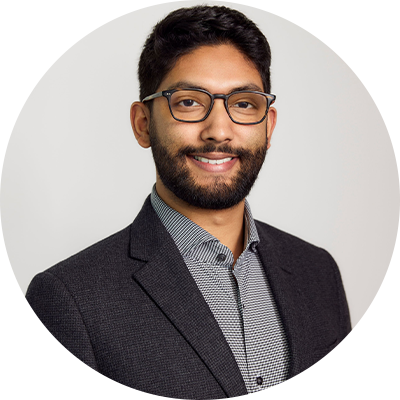
Reid Hoffman thinks doctors who aren’t using AI are making a mistake.
The LinkedIn co-founder recently argued that physicians who don’t consult AI as a second opinion on difficult cases may be putting patients at risk, saying those who ignore the technology are “bordering on committing malpractice.”
Hoffman, who helped fund OpenAI in its early days and now co-founded the AI drug-discovery startup, Manas AI, believes today’s most advanced AI models can provide insights that doctors would be unwise to overlook.
“These AI systems, even though many of them are not specifically trained for medicine, have ingested trillion-plus words of information,” he said at WIRED Health in London earlier this spring. “As a second opinion, it is bringing superpowers that no human being has.”
AI as a second opinion
Hoffman wasn’t suggesting that AI replace doctors, but rather that it be used as part of the decision-making process. He said he regularly uses AI as a second opinion on his own health concerns and expects his concierge physicians to do the same.
“You could very well go, ‘No, I think you’re wrong, I think it’s this,’” Hoffman said. “But if you’re not using this as a second opinion, you’re making a mistake, both as a doctor and as a patient.”
Not everyone agrees that AI is ready to play a larger role in healthcare. A recent study led by researchers at the University of Oxford found that people using large language models to assess medical scenarios made decisions that were no better than those relying on traditional online searches or their own judgment.
“Despite all the hype, AI just isn’t ready to take on the role of the physician,” said Dr. Rebecca Payne, a GP and lead medical practitioner on the study. “Patients need to be aware that asking a large language model about their symptoms can be dangerous, giving wrong diagnoses and failing to recognise when urgent help is needed.”
While experts continue to debate its limitations, AI is already finding its way into doctors’ offices and hospitals. A recent Philips Future Health Index survey found that 27% of clinicians said AI helped them identify potential medical errors at least three times in the previous three months, while 36% said it allowed them to see more patients each week.
Still, the survey suggests the industry’s embrace of AI remains a work in progress. Despite growing interest in the technology, 77% of clinicians said AI training was unavailable, limited or inconsistent.
Must Read
- You can now build wealth like a landlord for as little as $100 — and no, you don't have to chase down rent or take 3 A.M tenant calls
- Goldman Sachs used to hoard prime real estate deals for the ultrarich. Two ex-analysts just opened the door for $250
- Robert Kiyosaki begs investors not to miss this ‘explosion’ — says this 1 asset will surge 400% in a year
Join 250,000+ readers and get Moneywise’s best stories and exclusive interviews first — clear insights curated and delivered weekly. Subscribe now.
Why Hoffman is betting on AI
Hoffman’s confidence in AI’s potential is tied to more than theory. In fact, he recently announced that he would not stand for re-election to Microsoft’s board of directors, saying he wanted to spend more time in “founder mode” building Manas AI.
Hoffman co-founded the company with oncologist and Pulitzer Prize-winning author Dr. Siddhartha Mukherjee. The startup is focused on using AI to accelerate the discovery of new treatments for diseases, including cancer. Hoffman has argued the technology could dramatically shorten the drug-development process by helping researchers identify promising therapies more quickly than traditional methods.
Moneywise reached out to Manas AI for comment but did not receive a response before publication.
Looking ahead, Hoffman seems to believe that AI’s role in medicine will only expand. He has suggested that regulators could eventually use advanced biological models to help evaluate new drugs and accelerate approvals, though he has also acknowledged that the future is still years away.
“I think in 10 years, every major disease will have target molecules that could at least make a serious difference,” he said.
You May Also Like
- Dave Ramsey warns nearly 50% of Americans are making 1 big Social Security mistake — here’s what it is and the simple steps to fix it ASAP
- Thanks to Jeff Bezos, you can now become a landlord for as little as $100 — and no, you don't have to deal with tenants or fix freezers. Here's how
- Millionaires under 43 are reshaping investing — just 25% of their portfolios are in stocks. Here’s where their money is going
- Robert Kiyosaki issues grim warning for baby boomers. Many could be ‘wiped out’ and homeless ‘all over’ the country. How to protect yourself now
Victoria Vesovski is a Toronto-based staff reporter at Moneywise covering personal finance, lifestyle and trending news. She holds degrees from the University of Toronto and New York University, and her work has appeared on platforms including Yahoo Finance, MSN Money and Apple News.