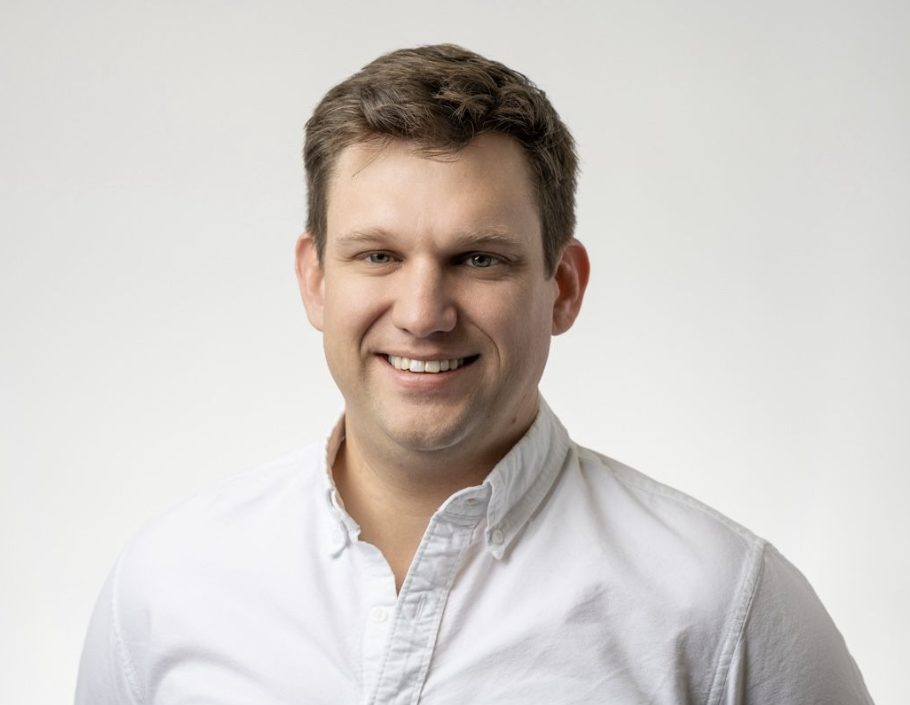
Billionaire investor Kevin O’Leary isn’t known for keeping quiet — especially when it comes to money and markets.
And now, he’s stepping into one of the biggest battles in Washington: the clash between President Donald Trump and the Federal Reserve, headed by Chair Jerome Powell, a dispute that has steadily ratcheted up since Trump re-took the White House in January. The president has gone as far as to muse whether to try to remove Powell from his post.
The latest manifestation of this spat is the controversial management of a $2.5-billion renovation involving the nearly century-old Federal Reserve building in Washington, D.C.
Thanks for subscribing!
Read the best of Moneywise in 5 minutes or less.
By signing up, you accept Moneywise Terms of Use, Subscription Agreement, and Privacy Policy.
“Fed independence is what gives America its position as the No. 1 place to invest on Earth,” O’Leary said on a recent Fox News appearance, alluding to the potential wider-reaching consequences.
“It would be very difficult to have presidents firing (Fed chairpeople). That would not be taken well by the markets and I think Trump knows that,” O’Leary continued.
But make no mistake, this isn’t really about construction delays or steel prices. It’s about interest rate policy and Trump’s frustration with Powell’s refusal to cut rates faster.
The pressure to lower interest rates
O’Leary’s comments echo what Treasury Secretary Scott Bessant has reportedly told the president behind closed doors, according to The Wall Street Journal: that firing Powell could spook investors and damage confidence in U.S. markets.
Still, that hasn’t stopped some Trump allies on Capitol Hill from ramping up pressure. Republican Sen. Tommy Tuberville of Alabama accused Powell of having “gone rogue,” blaming him for borrowing a “Biden Democrat Socialist playbook” that he claims has kept interest rates “through the roof.”
Arizona Rep. Abe Hamadeh, also a Republican, is pushing even harder, alleging “gross mismanagement” of the renovation project and calling on Powell to resign.
The $2.5 billion project has faced rising costs due to changing plans, higher materials prices (especially steel) and infrastructure issues, including a higher-than-expected water table.
Powell has defended the project in writing, pointing out that the National Capital Planning Commission is ultimately responsible for its oversight.
Must Read
- The ultra-rich use these 5 real estate strategies to build wealth while they sleep — you can start with just $100
- Here’s the average income of Americans by age in 2026. Are you keeping up or falling behind?
- Insurance companies profit most from drivers who auto-renew without shopping around. Comparing 100+ quotes takes 2 minutes and costs nothing
Join 250,000+ readers and get Moneywise’s best stories and exclusive interviews first — clear insights curated and delivered weekly. Subscribe now.
Why the Fed is holding steady
Since 1977, the Fed has had a dual mandate: maximum employment and stable prices. In practice, that means keeping long-run inflation at around 2%.
But inflation is still making life difficult for many Americans. Core CPI, a key metric that strips out volatile food and energy prices, rose to 2.9% recently.
Add in concerns over potential tariffs, which could drive prices even higher, and it’s unlikely Powell will announce a rate cut at the Fed’s upcoming July 30 meeting. Powell has already said that the administration’s tariffs have played a role in the decision to delay rate cuts.
That may be frustrating for politicians, but the Fed holding firm now may be the best way to preserve price stability and credibility in the long term and on a wider scale.
The perception of America’s reliability as a partner is at stake and, some say, already leading to a “slow bleed of support” as a large number of foreign investors worry about investing here.
What this means for your money
This high-stakes fight in D.C. isn’t just political theater. For everyday investors, it’s yet another source of uncertainty in an already complicated economy.
When markets get jittery, investors often flock to traditional safe-haven assets like gold, which has surged more than 40% over the past year.
But Kevin O’Leary is betting on a different kind of safety: crypto.
The Shark Tank star recently told Moneywise that nearly 20% of his portfolio is now in cryptocurrency-related assets — a bold move given Bitcoin’s volatility. But O’Leary believes digital assets are playing an increasingly important role in global finance, especially in times of political and monetary uncertainty.
The bottom line: The fight between Trump and the Fed may continue to grab headlines, but the underlying tension is all about interest rates and whether the Fed can stay focused on inflation in the face of political pressure.
That uncertainty could ripple through markets in the months ahead, so making sure your portfolio is diversified can help you weather whatever comes next.
You May Also Like
- JP Morgan sees gold hitting $6,000/oz before 2027 — and a Gold IRA lets you hold the physical metal while deferring the tax bill. Get your free guide from Priority Gold
- Dave Ramsey warns nearly 50% of Americans are making 1 big Social Security mistake — here’s what it is and the simple steps to fix it ASAP
- Thanks to Jeff Bezos, you can now become a landlord for as little as $100 — and no, you don't have to deal with tenants or fix freezers. Here's how
- Millionaires under 43 are reshaping investing — just 25% of their portfolios are in stocks. Here’s where their money is going
Mike Funderburk is the general manager of Moneywise.