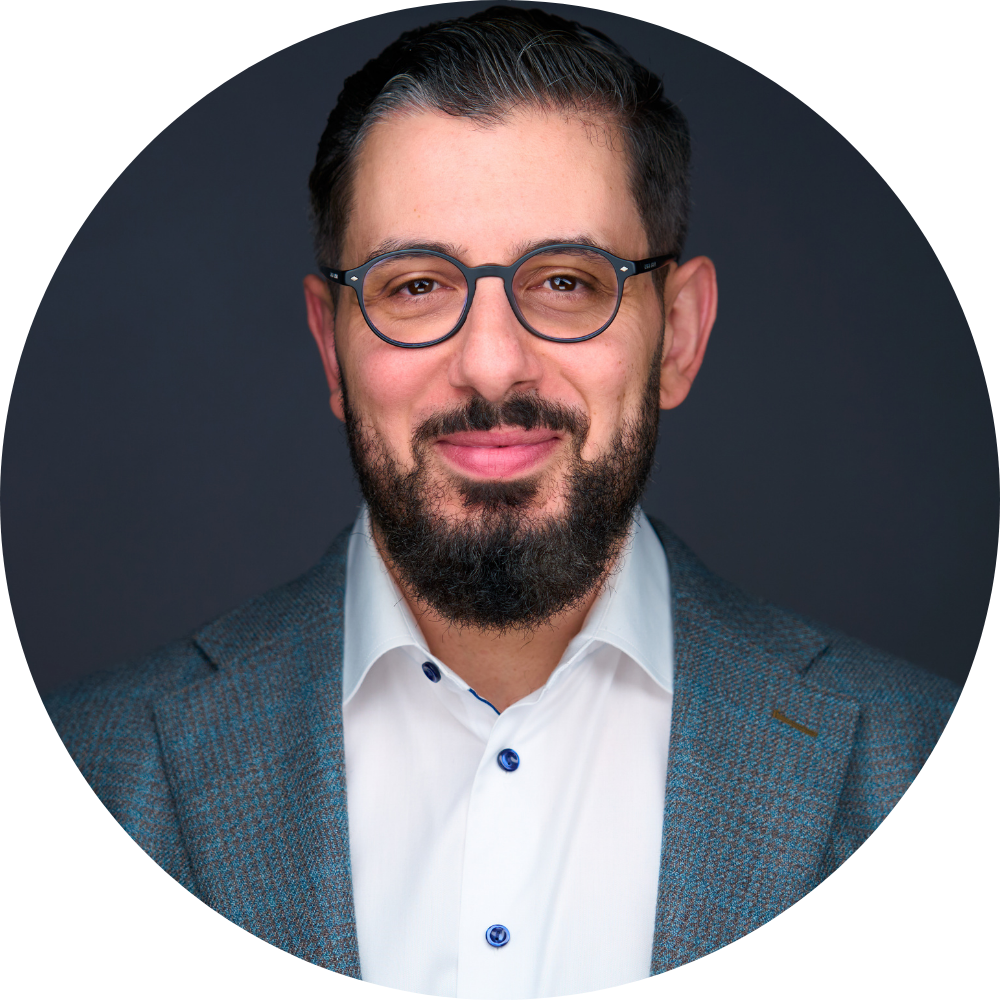
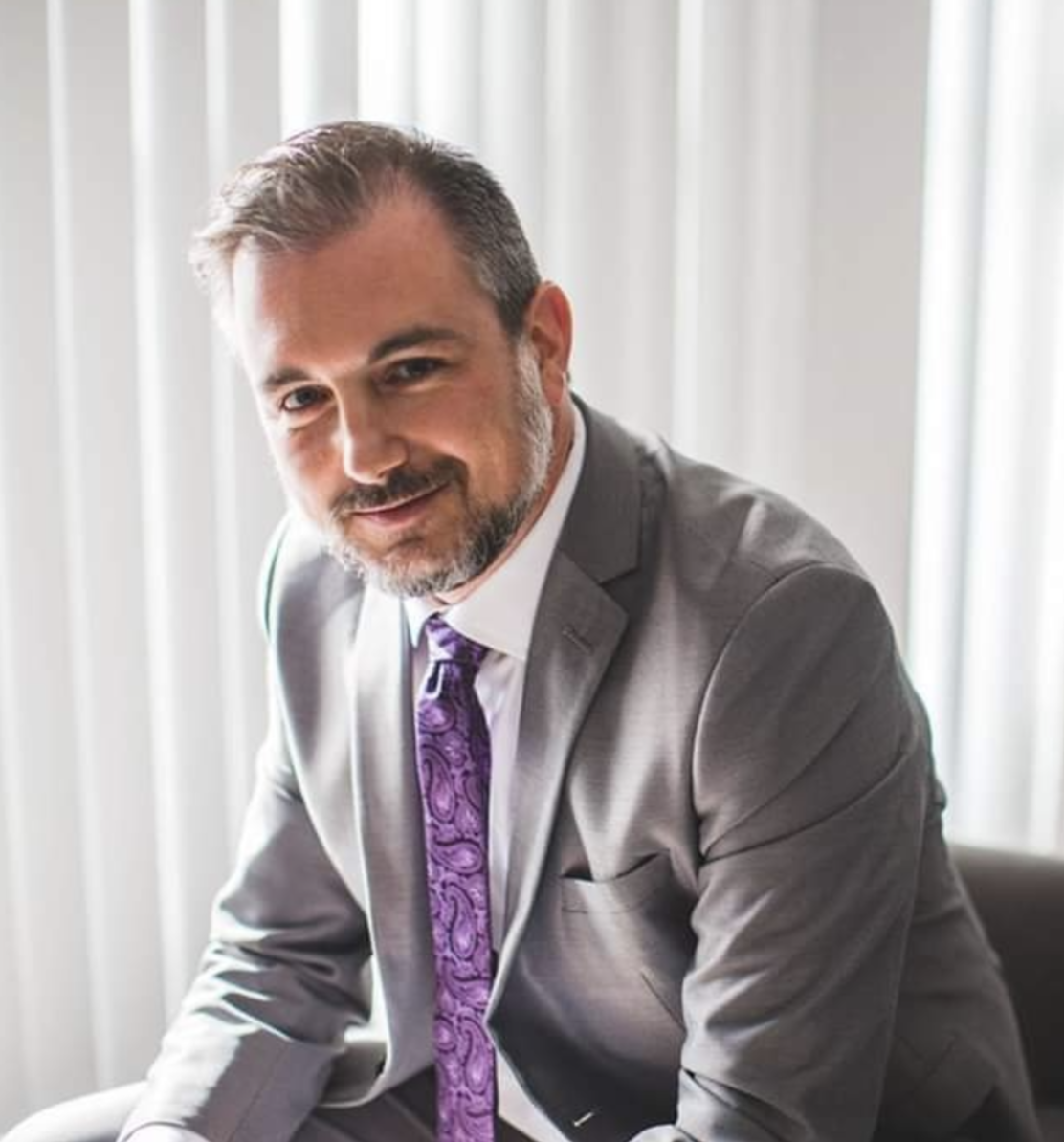
Actor John Malkovich has opened up about losing nearly his entire fortune to Bernie Madoff, the disgraced financier behind the largest Ponzi scheme in U.S. history, and he’s offered an important lesson to anyone who feels like they’re starting over after a major financial loss.
In a 60 Minutes interview that aired on Nov. 15, Malkovich recalled returning home from directing a play in Mexico City in 2008, only to discover that Madoff had been arrested.
“I saw this photograph of Bernie Madoff in handcuffs and thought, ‘Oh. Well, that could prove interesting,’” Malkovich said.
Thanks for subscribing!
The money news that actually matters.
By signing up, you accept Moneywise Terms of Use, Subscription Agreement, and Privacy Policy.
He then told his wife he was going around the corner to buy cigarettes, even though he had already quit smoking.
“We have a little problem, Bernie Madoff just got arrested,” he recalled telling her.
The financial consequences were severe.
“That was pretty much everything I’d ever made,” he said.
In a 2020 interview with The Guardian, Malkovich revealed that his business manager had invested “pretty much everything” he and his wife had earned with Madoff.
A 2020 Bloomberg report revealed that Malkovich had $2.3 million in securities tied up with Madoff. However, the court-appointed trustee initially approved a claim of just $670,000 for the actor’s pension plan and trust, excluding gains from trades that never occurred.
Malkovich wasn’t the only celebrity caught up in the fraud. Other high-profile victims included actor Kevin Bacon and his wife, actress Kyra Sedgwick, as well as charities associated with filmmaker Steven Spielberg and Holocaust survivor and author Elie Wiesel.
Despite the setback, Malkovich said he eventually accepted what had happened and stopped dwelling on the money he’d lost.
“Whatever you lost, most people who were ever born will never have a tenth of that no matter what they do,” he said. “Get on with your life and that’s it.”
Malkovich continued working steadily, appearing in numerous films over the years following Madoff’s arrest. But not everyone who lost money to Madoff could afford to start over.
Madoff victims have recovered billions, but not everyone was made whole
Madoff orchestrated a decades-long Ponzi scheme that the FBI described as the largest in history when it was uncovered in 2008. According to court documents, investors’ account statements showed $64.8 billion in assets at the time of his arrest, much of it consisting of fictitious profits. Actual principal losses exceeded $20 billion, including roughly $17.5 billion lost by investors who filed claims, according to the court-appointed trustee.
Madoff, who died while serving a 150-year prison sentence in 2021, ran the fraud through the investment advisory arm of Bernard L. Madoff Investment Securities. Instead of investing clients’ money as promised, he created fake trading records and account statements showing profits that didn’t exist.
The scheme relied on money from new investors to pay withdrawals to existing clients. Some invested directly with Madoff, while others invested through hedge funds and other firms that passed their money along to him.
According to the official Madoff Trustee website, which tracks efforts to recover and return money to victims, $15.509 billion had been recovered through settlements and other proceedings as of Oct. 23, 2026. The largest recoveries included $5 billion from the estate of investor Jeffrey Picower and $1.025 billion from the Tremont Group, an investment firm that had directed client money to Madoff.
Of that amount, $14.799 billion had been returned to investors. A 2018 report in The Wall Street Journal, featured on the Madoff Trustee website, found that 75 cents was recovered for every dollar stolen, an unusually high recovery rate for major financial fraud.
However, this doesn’t mean every victim recovered 75% of their losses. The trustee calculated payments based on approved claims, which generally excluded the fictitious profits shown on investors’ account statements.
Must Read
- Jeff Bezos backs a platform that lets anyone invest in rental homes for as little as $100 — 6 ways to build wealth like a landlord without actually being one
- The tax breaks in Trump's 'big beautiful bill' expire after 2028. Here are 4 moves to make before the window closes
Madoff’s fraud offers a costly lesson for investors
Beyond the financial losses, Madoff’s scandal exposed the risks of entrusting too much money to a single investment manager, particularly when investors have little insight into how their money is being handled.
Diversification is usually discussed in terms of spreading investments across stocks, bonds and other assets to reduce risk. But investors can also spread their money across different financial advisers and institutions rather than relying entirely on one firm.
Irving Picard, the court-appointed trustee overseeing the recovery of Madoff’s assets, made this point in a 2013 CNBC interview.
“You probably should consider using, perhaps, more than one financial advisor if you have a significant amount of money to invest,” Picard said.
He also urged investors to ask where their securities are held, which brokerage firms handle their transactions and whether their account statements accurately reflect their investments.
“If it’s too good to be true, it is,” he said, referring to investment promises that sound unusually attractive.
Malkovich had the advantage of an established acting career that allowed him to continue earning lucrative contracts after the scandal. For retirees and others who rely on their savings to cover living expenses, recovering from a similar loss could be much harder.
You May Also Like
- Dave Ramsey warns nearly 50% of Americans are making 1 big Social Security mistake — here’s what it is and 3 simple steps to fix it ASAP
- A single line on your car insurance policy could be inflating your premium by up to 30% — here's what to change
Sam Bourgi is a US based financial markets specialist with over a decade of experience covering investing, economics and digital assets. His work has been cited by Congress, the DOJ, the Bank for International Settlements, Bloomberg, Reuters, CNBC, Fox and Newsweek, as well as academic institutions.