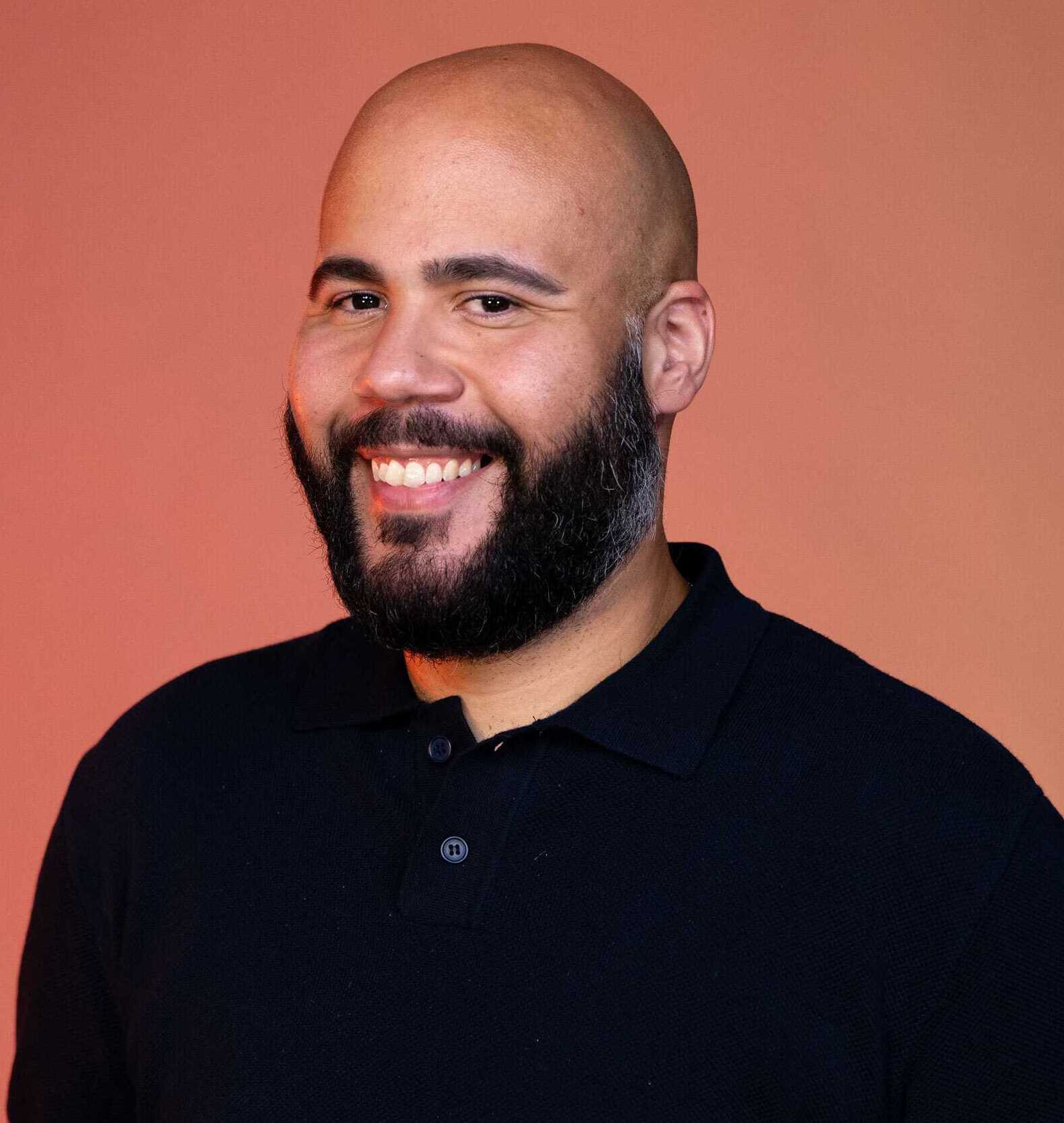
Although he hit the jackpot with a massive $255 million contract in 2023, Philadelphia Eagles quarterback Jalen Hurts still lives like a humble college student. He rents an apartment in Cherry Hill, New Jersey, for just $2,000 a month, according to a report from The Sun.
“I didn’t buy a house or anything like that when I got drafted because it was just me,” the superstar told GQ in a 2021 interview. "I didn’t need this big place just for myself. I just got myself a little apartment. You know, something smooth that’ll last me for the time being."
Hurts’ intentional choice to rent a bachelor pad rather than splurge on a luxury penthouse or sprawling mansion is a standout example of financial discipline and living within one's means.
Here’s how a similar approach could help you chart a path to financial freedom.
Needs-based budgeting
Given that each NFL season lasts for just 18 weeks, athletes like Hurts don’t necessarily need to purchase property near their workplace. His deliberate decision to rent is an example of needs-based budgeting.
According to the [University of Pennsylvania, this budgeting technique focuses on securing essential spending needs first before moving onto saving, investing and indulging in luxuries.
For instance, you could decide to earmark 50% of your after-tax income for essentials such as groceries, rent, utilities and transportation. After dedicating 20% to savings and investment, your budget would leave 30% of net income for luxuries such as eating out, shopping and holidays.
Financial experts usually recommend spending no more than 30% of your gross income on housing and no more than 15% for car payments. Applying these limits while making purchase decisions could help you live within your means.
With your needs secured, you can turn your attention to saving and investing to achieve financial freedom as rapidly as possible.
Must Read
- Dave Ramsey warns nearly 50% of Americans are making 1 big Social Security mistake — here’s what it is and the simple steps to fix it ASAP
- Robert Kiyosaki begs investors not to miss this ‘explosion’ — says this 1 asset will surge 400% in a year
- Vanguard reveals what could be coming for U.S. stocks, and it’s raising alarm bells for retirees. Here’s why and how to protect yourself
Join 250,000+ readers and get Moneywise’s best stories and exclusive interviews first — clear insights curated and delivered weekly. Subscribe now.
Long-term investing
Although Hurts rents during the football season, he’s an active real estate investor off-season.
He purchased a $215,000 home in his hometown of Humble, Texas, for his father before purchasing another property for his mother in Houston, according to the NY Post. The MVP also owns a $6 million 6,000-square-foot residence in Texas along with the unit next door which cost another $2.68 million.
While he’s still at the top of his game, this extensive real estate portfolio could serve as a long-term financial safety net for the superstar athlete should he ever need it.
Similarly, setting aside a portion of your income for long-term investments in stocks, bonds or real estate could help you secure your financial future. There are a few different ways to dip your toe into real estate. One popular method is through publicly traded real estate investment trusts (REITs), which own income-producing properties, collect rent from tenants, and distribute a portion of that income to shareholders as dividends.
Another option is real estate crowdfunding platforms, which give everyday investors the chance to buy shares in rental properties without the hefty down payments or the headaches of being a landlord.
Exchange-traded funds (ETFs) provide another attractive option. The Vanguard Real Estate ETF (VNQ) offers exposure to rental income from hotels, offices and other types of properties. Since its inception in 2004, the fund has delivered an annualized return of 7.57%.
Meanwhile, the ProShares S&P 500 Dividend Aristocrats ETF (NOBL) tracks companies that have consistently hiked dividend payments for at least 25 consecutive years. Since its inception in 2013, this fund has delivered an annualized return of 10.71%.
You May Also Like
- Turning 50 with $0 saved for retirement? Most people don’t realize they’re actually just entering their prime earning decade. Here are 6 ways to catch up fast
- This 20-year-old lotto winner refused $1M in cash and chose $1,000/week for life. Now she’s getting slammed for it. Which option would you pick?
- Warren Buffett used these 8 repeatable money rules to turn $9,800 into a $150B fortune. Start using them today to get rich (and stay rich)
- Here are 5 easy ways to own multiple properties like Bezos and Beyoncé. You can start with $10 (and no, you don’t have to manage a single thing)
Vishesh Raisinghani is a financial journalist covering personal finance, investing and the global economy. He's also the founder of Sharpe Ascension Inc., a content marketing agency focused on investment firms. His work has appeared in Moneywise, Yahoo Finance!, Motley Fool, Seeking Alpha, Mergers & Acquisitions Magazine and Piggybank.
Managing Money • Mar 30