The very first COVID-19 relief bill, signed into law in March of last year, barred student loan companies from garnishing the wages of borrowers in default.
But thousands still had some of their pay seized in spite of the moratorium, because of the government's slow uptake in those early days of the pandemic.
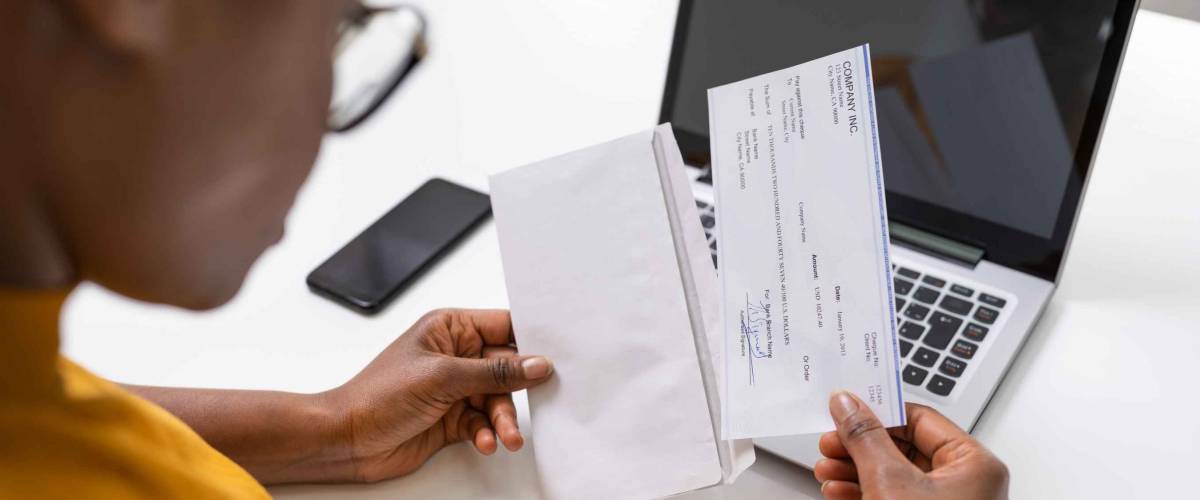
Well over a year later, nearly 11,000 of those borrowers are still owed refunds, according to information obtained by the National Student Legal Defense Network, a Washington, D.C.-based nonprofit also known as Student Defense.
Thanks for subscribing!
Read the best of Moneywise in 5 minutes or less.
By signing up, you accept Moneywise Terms of Use, Subscription Agreement, and Privacy Policy.
Many Americans who are struggling to manage their debts could be entitled to receive money back — and may not even know it.
Hundreds of thousands had money withheld
Usually, when student loan borrowers haven’t made a payment for more than 270 days, they're in default — and student loan servicers can start garnishing their wages.
Up to 15% of a borrower’s paycheck can be withheld and sent to the loan servicer until the debt is repaid or the default status is settled.
When the CARES Act — the initial COVID rescue package — was signed into law on March 27, 2020, the U.S. Department of Education was supposed to notify employers to stop withholding money from employees' paychecks to satisfy student loan obligations.
But Student Defense found, through a Freedom of Information request, that the Education Department and the Treasury had improperly garnished and held back more than $200 million from over 390,000 borrowers after the law took effect, according to multiple media reports.
Must Read
- The ultra-rich use these 5 real estate strategies to build wealth while they sleep — you can start with just $100
- Here’s the average income of Americans by age in 2026. Are you keeping up or falling behind?
- Insurance companies profit most from drivers who auto-renew without shopping around. Comparing 100+ quotes takes 2 minutes and costs nothing
Join 250,000+ readers and get Moneywise’s best stories and exclusive interviews first — clear insights curated and delivered weekly. Subscribe now.
Refunds in the hundreds of dollars
Some 1,930 borrowers were still having their wages garnished by October of last year, nearly seven months after the CARES Act was enacted, according to the Federal Inspector General.
Two weeks ago, the Education Department informed Student Defense that it had refunded $187 million to more than 382,000 borrowers by the end of July. That works out to an average of nearly $500 per person.
But the department says it hasn't been able to issue close to 11,000 outstanding refunds.
The government says it can't return the money because officials don’t have the correct addresses for the borrowers.
How to get a long-lost refund
Here's the upshot: If some of your pay was improperly siphoned off and your address hasn't changed recently, keep your eyes peeled for any official-looking mail.
If you did move since March of last year and you think you're owed a refund, you should reach out to your loan servicer to make sure it has your current address information.
Federal student loan payments and interest were paused in March 2020 and will remain that way until Jan. 31, 2022.
Some 45 million Americans currently share $1.7 trillion in student debt. The 15 months of halted payments have saved borrowers around $72 billion in interest, according to an estimate from a group of Democratic U.S. senators.
Democrats led by Senate Majority Leader Chuck Schumer and Massachusetts Sen. Elizabeth Warren have been urging Biden to grant broad loan forgiveness to borrowers — up to $50,000 per person — but the administration has made no decision on that.
Not owed a refund? Here's how to find relief
If you're not getting one of the student loan refunds and are already having trouble managing your debts — even before your loan payments resume — you have some options.
-
Refinance your loan. Interest rates on student loan refinances through private lenders have been at historic lows. Refinancing your student loan could slash your monthly payments. If blanket federal loan forgiveness ever does materialize, it won’t extend to private refi loans.
-
Extend the savings to your home loan. If you own a home and haven't refinanced your mortgage lately, you're probably long overdue. A recent Zillow survey found that nearly half the people who refinanced over the last year of ultra-low mortgage rates are now saving $300 a month or more. Refi loans are currently available at rates deep below 3% — even under 2%.
-
Borrow at the lowest cost. If a refi student loan or mortgage sounds appealing, keep in mind that the best interest rates go to borrowers with the highest credit scores. Take a quick, free look at your credit score and see if it needs work before you start reaching out to lenders.
-
Turn your pennies into profits. Even when your budget’s stretched, you might squeeze out a little extra income with help from the record-shattering stock market. A popular app can help you invest in a diversified portfolio using just your "spare change" from everyday purchases.
You May Also Like
- JP Morgan sees gold hitting $6,000/oz before 2027 — and a Gold IRA lets you hold the physical metal while deferring the tax bill. Get your free guide from Priority Gold
- Dave Ramsey warns nearly 50% of Americans are making 1 big Social Security mistake — here’s what it is and the simple steps to fix it ASAP
- Thanks to Jeff Bezos, you can now become a landlord for as little as $100 — and no, you don't have to deal with tenants or fix freezers. Here's how
- Millionaires under 43 are reshaping investing — just 25% of their portfolios are in stocks. Here’s where their money is going
Sigrid is a deputy editor on the Moneywise team, where she has also worked in a number of editing and reporting roles. She has 5 years experience writing about personal finance and takes great pride in demystifying complex financial issues and finding the personal in personal finance topics.
Mortgages • Feb 17