Investors hold Bitcoin for a variety of reasons. And hedging against inflation is one of the bigger ones.
But JPMorgan Chase CEO Jamie Dimon hasn't been shy about his dislike for the cryptocurrency, blasting it as “worthless” during a virtual summit earlier this week.
So what are a few more conventional ways to protect your portfolio against the ravages of inflation, which is already here with a vengeance?
Thanks for subscribing!
Read the best of Moneywise in 5 minutes or less.
By signing up, you accept Moneywise Terms of Use, Subscription Agreement, and Privacy Policy.
Simple. Make rising consumer prices — along with rising interest rates — work in your favor by investing in sectors that have historically done well in inflationary environments.
Let’s take a quick look at three of those areas. One (or all) of them might be worth sprinkling some of your “spare change” over.
Banks
Central banks use monetary policy to tame inflation. According to the latest forecast, half of the members of the Federal Open Market Committee expect a rate hike in 2022.
In fact, rising interest rates have become a major concern for stock market investors.
But here’s something to consider: While the majority of sectors fear rising interest rates, banks adore them.
Banks make money by lending capital out at higher rates than they borrow it at. And when interest rates increase, the “spread” through which they earn widens.
Investors have already been warming up to major financial stocks.
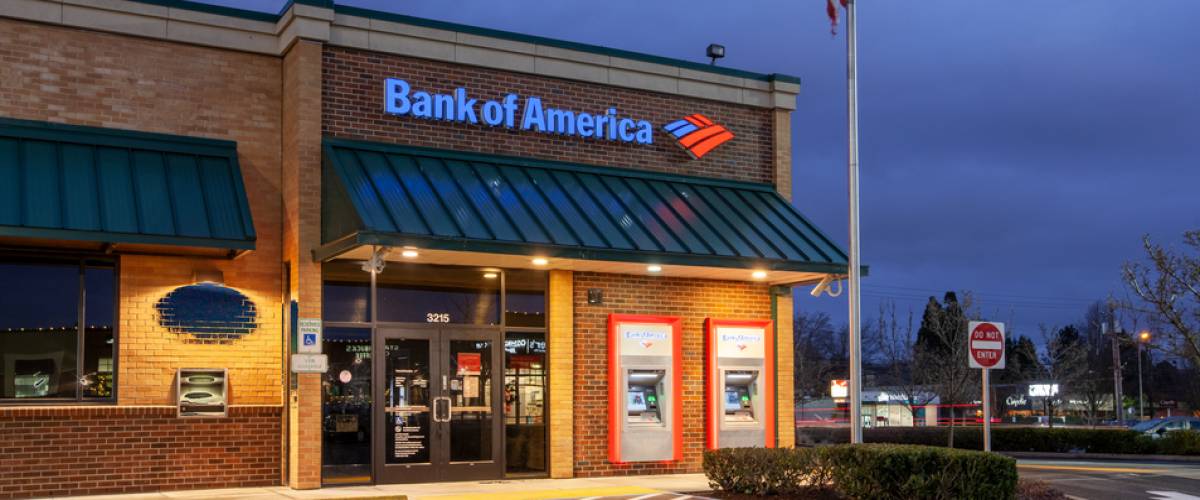
Banking giants like JPMorgan, Bank of America, and Goldman Sachs have all returned at least 30% year to date.
Of course, that means these stocks aren’t cheap.
The good news? If you’re on the fence about jumping into bank stocks at these elevated levels, some investing apps will give you a free share of JPMorgan or Bank of America just for signing up.
Must Read
- The ultra-rich use these 5 real estate strategies to build wealth while they sleep — you can start with just $100
- Here’s the average income of Americans by age in 2026. Are you keeping up or falling behind?
- Insurance companies profit most from drivers who auto-renew without shopping around. Comparing 100+ quotes takes 2 minutes and costs nothing
Join 250,000+ readers and get Moneywise’s best stories and exclusive interviews first — clear insights curated and delivered weekly. Subscribe now.
Consumer Staples
Consumer staples are essential products such as food and drinks, household goods, and hygiene products.
We need these things regardless of how the economy is doing.
So even when inflation drives up input costs, consumer staple companies — particularly those with scale and distribution advantages — are able to pass those higher costs onto consumers.
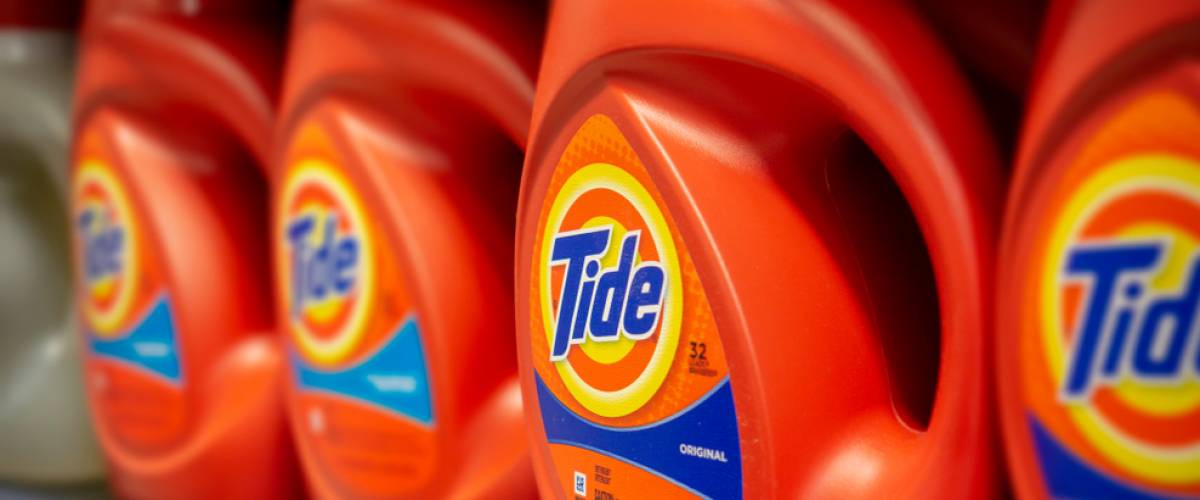
Even if the biggest crash “in world history” hits, we’ll probably still see Quaker Oats and Tropicana orange juice — made by Pepsico — on families’ breakfast tables. Meanwhile, Tide and Bounty — well-known brands from Procter & Gamble — will likely remain on shopping lists across the nation.
And then there’s retail gorilla Costco, which sells thousands of consumer staples across roughly 800 warehouses worldwide. With inflation forcing consumers to hunt for lower prices, Costco’s value proposition is tough to turn down.
To be sure, these consumer staple leaders all command triple-digit stock prices.
But you can get a piece of them by using a stock trading app that allows you to buy fractions of shares with as much money as you are willing to spend.
Precious Metals
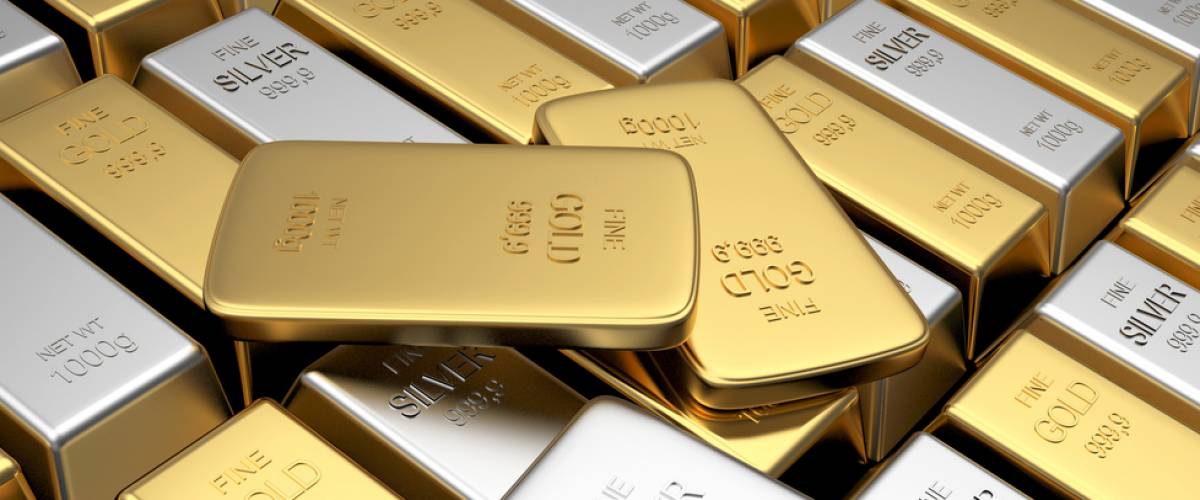
Precious metals — particularly gold and silver — have helped investors preserve their purchasing power for centuries.
They can’t be printed out of thin air like fiat money.
Investors often rush toward gold in times of crisis, making it the go-to safe haven asset.
Silver is also a store of value and a hedge against inflation. At the same time, it is widely used as an industrial metal so it could also outperform in a high growth, high inflation environment.
The most direct way to play precious metals is to own bullion. But that can be difficult and expensive. An easier method is to invest in large mining companies.
Gold miners like Barrick Gold and Freeport-McMoRan typically do well during tough times for other sectors.
Meanwhile Wheaton Precious Metals and Pan American Silver can provide easy access if you’re interested in dabbling in the grey metal.
A finer way to hedge
With the number of bitcoins capped at 21 million and its increasing adoption, the cryptocurrency could very well be a great hedge against inflation.
But of course, neither inflation-proof stocks nor Bitcoin are immune to market volatility.
If you want to invest in something that has little correlation with the ups and downs of the stock market — or the crypto market — you might want to consider an overlooked asset: fine art.
Investing in fine art by the likes of Banksy and Andy Warhol used to be an option only for the ultra-rich like Dimon.
But with a new investing platform, you can invest in iconic artworks too, just like Jeff Bezos and Peggy Guggenheim.
According to the Citi Global Art Market chart, contemporary artwork has offered a return of 14% per year over the past 25 years, easily topping the 9.5% annual return from the S&P 500.
You May Also Like
- JP Morgan sees gold hitting $6,000/oz before 2027 — and a Gold IRA lets you hold the physical metal while deferring the tax bill. Get your free guide from Priority Gold
- Dave Ramsey warns nearly 50% of Americans are making 1 big Social Security mistake — here’s what it is and the simple steps to fix it ASAP
- Thanks to Jeff Bezos, you can now become a landlord for as little as $100 — and no, you don't have to deal with tenants or fix freezers. Here's how
- Millionaires under 43 are reshaping investing — just 25% of their portfolios are in stocks. Here’s where their money is going
Jing is an investment reporter for Moneywise. He is an avid advocate of investing for passive income. Despite the ups and downs he’s been through with the markets, Jing believes that you can generate a steadily increasing income stream by investing in high quality companies.