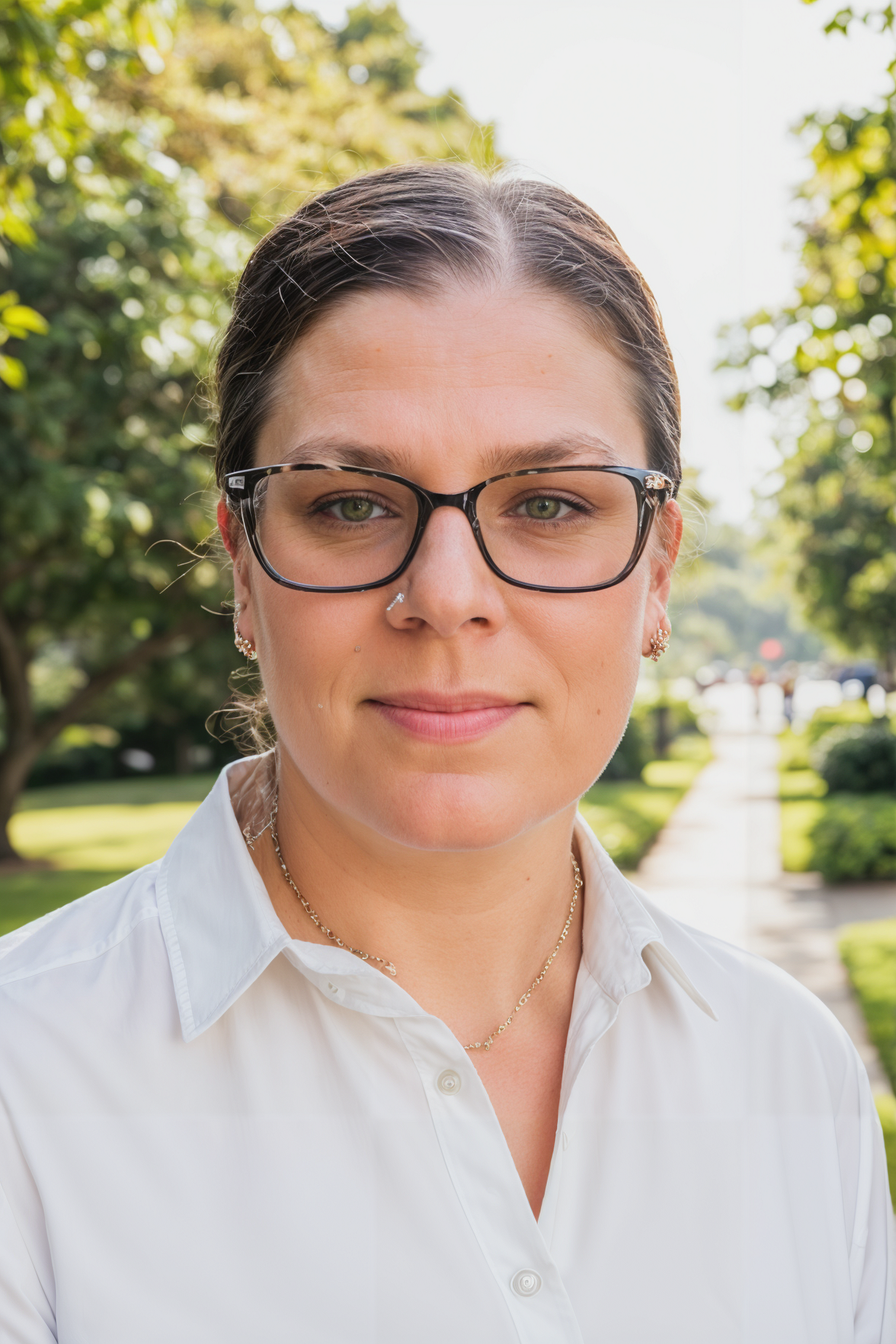
When Money Singh moved from Punjab, India, to San Francisco in 2006 at age 19, he didn’t feel like he was chasing the American dream. He was lonely, homesick, and unsure of his next steps.
“I was depressed for that one year,” he told CNBC. (1) “I wanted to go back.”
Instead, he stayed and built a life that now includes two thriving businesses and more than $2 million in annual revenue.
Singh’s journey from taxi driver to multimillion-dollar entrepreneur is proof that grit, creativity, and persistence pay off — even when the odds are stacked against you.
Here’s a breakdown of the financial risks it takes to become an entrepreneur, and tips on how you can start and grow your own small business.
Money Singh’s journey
After dropping out of college when some of his credits from India didn’t transfer, Singh took a series of jobs — first at a drugstore, then as a dispatcher for his uncle’s cab company, earning just $6 an hour. But he soaked up every lesson he could about how the business worked.
Over the next 12 years, he went from taxi driver to taxi business owner, managing a five-cab fleet and launching his own dispatch service. That business eventually evolved into Driver’s Network, an advertising and marketing agency for independent taxi drivers, now called ATCS Platform Solutions. That company brought in over $1.1 million in revenue last year.
In 2018, Singh decided to branch out. Inspired by his mother, and encouraged by a barber friend, he opened Dandies Barbershop & Beard Stylist in Mountain View, California. But success didn’t come easily.
The city’s permitting process took a full year, costing Singh $75,000 in rent for the space before he could even open the doors. Then, six months after launching, the pandemic forced him to close down.
“I had to sell everything,” Singh said. “I had to eat less. I literally had to focus on eating $1 per meal to make sure the business stays open.”
He took out two Paycheck Protection Program loans, borrowed from friends, tapped life insurance funds, and maxed out credit cards — racking up more than $200,000 in debt. But Singh enrolled in barber school himself, so when the shop reopened in 2021, the business could offer a broader range of services.
That gamble paid off. Dandies brought in more than $1 million in 2024, employs 25 people across three locations, and is now profitable. Singh works at Dandies full-time and spends about 20 hours per week managing ATCS. He says he has no plans to ever retire, and he likes working hard.
His story highlights what many small business owners already know: success rarely happens without major sacrifice. He leveraged his savings, took on debt, and went years without a steady income — but he kept pushing.
Must Read
- You can now build wealth like a landlord for as little as $100 — and no, you don't have to chase down rent or take 3 A.M tenant calls
- Goldman Sachs used to hoard prime real estate deals for the ultrarich. Two ex-analysts just opened the door for $250
- Robert Kiyosaki begs investors not to miss this ‘explosion’ — says this 1 asset will surge 400% in a year
Join 250,000+ readers and get Moneywise’s best stories and exclusive interviews first — clear insights curated and delivered weekly. Subscribe now.
Want your own success story? Here’s how to get started
Starting a business in the U.S. is more accessible than ever, but it still requires financial planning and resilience. According to the U.S. Small Business Administration, there are about 33 million small businesses nationwide, accounting for nearly all (99.9%) of American companies. (2)
Yet, data from the Bureau of Labor Statistics (BLS) show that roughly 20% fail in the first year and almost half close within five years. (3)
Costs vary widely by industry. Stripe estimates that online businesses spend around $35,000 in their first year, while brick-and-mortar businesses can require $100,000 or more in opening costs. (4) Still, for many, it's worth the risk.
If you've determined to open your own business, here are some practical steps to get started:
- Market research: Identify your target customer, understand local competition, and test your idea before investing heavily.
- Calculate startup costs: Include licensing, rent, equipment, marketing, and working capital for at least six months.
- Estimate ongoing expenses: Add recurring costs like payroll, utilities, insurance, and supplies to ensure sustainable operations to your opening expenses.
- Explore funding options: From SBA loans and crowdfunding to small business grants, look for low-cost ways to support your business.
- Assess your financial readiness: You should have an emergency fund, stable income, and manageable debt before investing personal savings in a business.
- Plan for setbacks: As Singh’s story shows, things will go wrong. Expect delays, surprise bills, and long hours, and have a plan to stay afloat through them.
Singh’s story isn’t just about hard work; it’s about resilience and calculated risk. While he didn’t start with deep pockets or an advanced degree, he did make strategic moves, learned from his setbacks, and remained committed.
If your dream is to build a business, the lesson is clear: success takes patience, persistence, and a willingness to bet on yourself.
Article sources
We rely only on vetted sources and credible third-party reporting. For details, see our editorial ethics and guidelines.
CNBC (1); U.S. Small Business Administration (2); Bureau of Labor Statistics (3); Stripe (4).
You May Also Like
- Dave Ramsey warns nearly 50% of Americans are making 1 big Social Security mistake — here’s what it is and the simple steps to fix it ASAP
- Thanks to Jeff Bezos, you can now become a landlord for as little as $100 — and no, you don't have to deal with tenants or fix freezers. Here's how
- Millionaires under 43 are reshaping investing — just 25% of their portfolios are in stocks. Here’s where their money is going
- Robert Kiyosaki issues grim warning for baby boomers. Many could be ‘wiped out’ and homeless ‘all over’ the country. How to protect yourself now
Danielle is a personal finance writer whose work has appeared in publications including Motley Fool and Business Insider. She believes financial literacy key to helping people build a life they love. She’s especially passionate about helping families and kids learn smart money habits early.