
Oct 4, 2020
While we adhere to strict editorial guidelines, partners on this page may provide us earnings.
It's been over six months since President Donald Trump signed the law that provided most Americans with a $1,200 payout to relieve financial pain from the coronavirus and stimulate the sinking U.S. economy.
And it's been almost as long since the battle began over whether there would be another round of so-called stimulus checks.
Advertisement
But now, the U.S. House — led by Speaker Nancy Pelosi — has passed a new $2.2 trillion aid package that includes not only more direct payments but also a revival of the beefed-up unemployment benefits that expired in July. The White House has offered a counterproposal.
From the hospital where he's being treated for COVID-19, the president tweeted to the negotiators on Saturday, "OUR GREAT USA WANTS & NEEDS STIMULUS. WORK TOGETHER AND GET IT DONE. Thank you!"
Here's what we currently know about when or if you'll get additional COVID cash from the government.
2nd stimulus checks: What's going on?
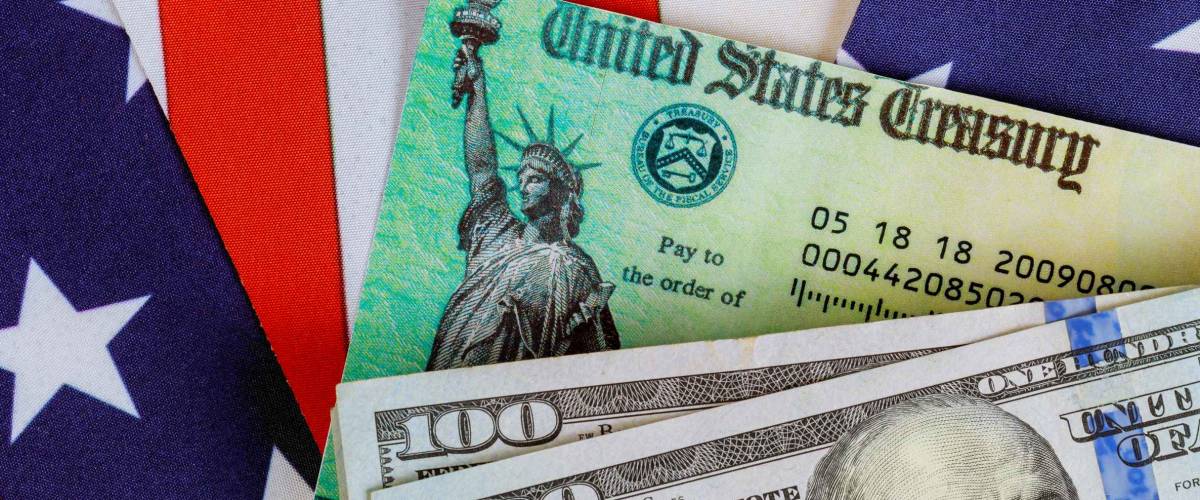
The new payments will be the same as the last ones, except for families.
It's been a long time since many Americans got their first — and so far only — pandemic relief money. The direct deposits, checks and even debit cards were part of a massive aid bill Congress passed in late March.
The typical payment was $1,200, though the amount phased out at higher incomes. Families received $500 per child, but only up to age 16.

Advertisement
Households devastated by layoffs and lockdowns used the cash to buy food or pay the bills. Those in better shape went on splurges, or made more practical purchases — like buying affordable life insurance to offer families financial protection if a breadwinner died from the virus.
In mid-May, another, similar round of stimulus money was included in a $3 trillion relief package that passed the Democratic-controlled U.S. House. But it went nowhere in the Senate.
The new House bill — which passed Thursday night with no Republican support — offers $1,200 for most taxpayers plus $500 per dependent. It also would bring back the extra $600 a week in federal unemployment benefits that have long expired.
Must Read
- Dave Ramsey warns nearly 50% of Americans are making 1 big Social Security mistake — are you doing the same?
- Thanks to Jeff Bezos, you can now become a landlord for as little as $100 — and no, you don't have to deal with tenants or fix freezers. Here's how
- Robert Kiyosaki says this 1 asset will surge 400% in a year and begs investors not to miss this ‘explosion’
Join 250,000+ readers and get Moneywise’s best stories and exclusive interviews first — clear insights curated and delivered weekly. Subscribe now.
How soon could you get more stimulus money?
Senate Majority Leader Mitch McConnell has called the $2.2 trillion House plan "outlandish," and Treasury Secretary Steven Mnuchin has countered with a $1.62 trillion Republican relief package.
It includes more $1,200 direct payments to Americans, and $400 a week in extra unemployment, according to Roll Call.
Mnuchin and Speaker Pelosi talked throughout the week, with the goal toward getting an agreement ahead of the Nov. 3 election. But so far, there's no deal.
Advertisement
No one gets another stimulus check until the two sides can compromise on a bill that would pass both houses of Congress, then be signed by the president.
Once there's a deal, the money could start moving out quickly — maybe by November — particularly since the government already has been through the process once this year.
What do you do in the meantime?

So here's where things stand: Washington says it wants to give you more relief money, but the usual bickering is bogging things down.
If your budget is stretched thin and you could really use that $1,200 payment right now, here are a few ways to find some extra cash immediately.
- Cut the cost of your debt. If you've got high-interest credit cards, roll up those balances into a debt consolidation loan with a lower interest rate. You'll trim the cost of the debt and replace multiple monthly payments with just one.
- Put payments on pause. Many lenders, banks and utility companies have let customers put their payments on hold because of the pandemic. See if you can get a break from your bills. If your car insurance company doesn't want to play ball, start shopping around for a better one.
- Refinance your mortgage. If you've got a mortgage and haven't refinanced yet in 2020, you're overdue. Thanks to the cheapest mortgage rates on record, more than 19 million homeowners have the potential to cut their monthly payments by around $300 through a refi, says data firm Black Knight.
- Clamp down on your monthly spending. Consider dumping your cable and using a less expensive streaming service instead. Fight the temptation to have dinner delivered, and make meals in your own kitchen. And, download a free browser extension that will find you the best price every time you shop online.
- Pick up a side hustle. Earn extra money by picking up a side gig. Turn a hobby into a source of income, or use an online marketplace to find someone eager to pay for your talents and skills.
You May Also Like
- Turning 50 with $0 saved for retirement? Most people don’t realize they’re actually just entering their prime earning decade. Here are 6 ways to catch up fast
- Inside a $1B real estate fund offering access to thousands of income-producing rental properties — with flexible minimums starting at $10
- Vanguard’s outlook on U.S. stocks is raising alarm bells for retirees. Here’s why and how to protect yourself
- Here are 5 easy ways to own multiple properties like Bezos and Beyoncé. You can start with $10 (and no, you don’t have to manage a single thing)

Doug Whiteman was formerly the editor-in-chief of MoneyWise. He has been quoted by The Wall Street Journal, USA Today and CNBC.com and has been interviewed on Fox Business, CBS Radio and the syndicated TV show "First Business."

Mortgages • Apr 17
What is a home equity line of credit (HELOC)?

Mortgages • Mar 19