• Discounts and special offers
  • Subscriber-only articles and interviews
  • Breaking news and trending topics

Already a subscriber?

By signing up, you accept Moneywise's Terms of Use, Subscription Agreement, and Privacy Policy.

Not interested ?

News
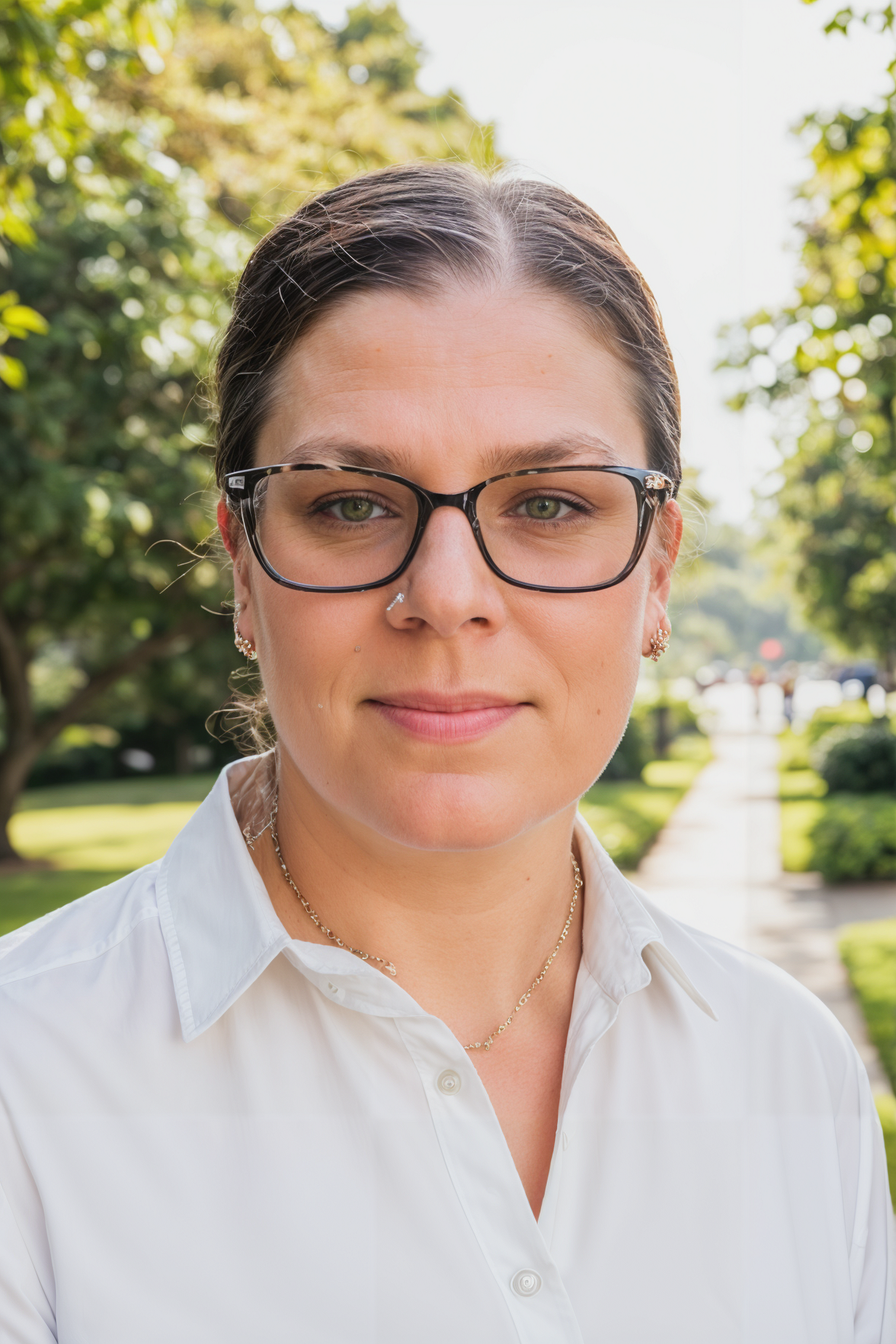
Patricia Khan talking to CBS News CBS News New York/CBS News

This 77-year-old New Yorker agreed to a ‘low-cost solar deal’ when fixing her roof — but the bill was a stunning $100,000, a sum she can’t afford. She’s not the only senior feeling deceived

Patricia Khan, a 77-year-old from Queens, New York, takes great pride in the home she’s owned for four decades. When her aging roof needed repairs, she searched for an affordable provider.

During that search, a representative from a company called Attyx and SUNco presented what seemed like a great deal: roof repairs and solar panels for just $167 a month.

Advertisement

However, Khan says the reality was far from what she expected. The contract emailed to her listed payments of $400 per month, totaling over $100,000 — an amount she simply can’t afford on her fixed income.

Worse, Khan claims her signature appears on pages she doesn’t recognize. Despite repeated attempts to cancel by calling, texting and emailing the company, her efforts were dismissed. Now, she fears losing what she holds most dear — her home.

“The next thing they’re going to do, they’re going to put a lien on my house,” Khan told CBS News New York. “This is all I have.”

Deceptive practices?

In response to Khan's claims, Attyx issued a statement to CBS New York denying the allegations, stating, in part:

"Attyx denies the allegations made by Ms. Khan. Attyx conducted a recorded welcome call with Ms. Khan, wherein she confirms receipt of her agreements, signing the agreement, the payment terms, the total project cost and sets up the various aspects of the installation. She also received her Federal Truth In Lending Disclosure Statement which shows what her potential liability could be if she does not apply for all of the available tax incentives and credits available for having installed solar panels."

But Khan isn’t alone in her concerns. Claver Campbell, another Queens resident, alleges she experienced similar deceptive practices. With the help of the Legal Aid Society, she filed a federal lawsuit accusing Attyx and SUNco of using “fraudulent, deceptive and abusive business practices and misrepresentations.”

Advertisement

Jennifer Levy, a Legal Aid Society staff attorney, says these kinds of tactics often target seniors, luring them with promises of rebates and tax incentives.

"However, what they're not disclosing is that not everyone is eligible for these tax incentives," she told CBS News New York.

Even industry professionals are concerned about the impact of such bad actors. Micah Gold-Markel, founder of Solar States, spoke with NPR about the harm these deceptive practices cause to the solar market.

“There have been a lot of shady business practices in residential solar,” he told NPR. “And I think it's hurting the market.”

He says the hunger to make a sale has caused some companies to have suspicious sales tactics and questionable financing practices that create a bad reputation for the industry as a whole.

Must Read

Join 250,000+ readers and get Moneywise’s best stories and exclusive interviews first — clear insights curated and delivered weekly. Subscribe now.

Protecting yourself from fraudulent or deceptive contracts

While solar panels offer many benefits — like lowering electricity bills and increasing property values — consumers should be cautious when choosing a provider. You can start by checking online reviews, looking up ratings with the Better Business Bureau and asking for recommendations from neighbors or friends.

Advertisement

Don't rely solely on what the salesperson tells you. Verify any claims they make about tax incentives, rebates or other financial benefits from official government sources or with a financial advisor or tax professional. The U.S. Department of the Treasury also warns not to believe anyone who says the federal or state government will pay for your solar panels.

Before signing any contracts, carefully read and review all the terms and conditions. If the language is confusing or unclear, consider consulting with a legal advisor before signing. Make sure you get the entire contract in paper format so you can review it carefully.

And be cautious of companies that pressure you to sign right away. If the company uses incentives (like a discount or other monetary benefit) to pressure you to sign before you are ready, consider other companies. If the company says you’re eligible for tax benefits before confirming your eligibility, be wary. Most tax programs have specific eligibility requirements, which you may or may not meet.

Finally, if you believe you’ve been scammed or targeted by deceptive practices, you can file a complaint with the Federal Trade Commission. Filing a report alerts regulators to predatory companies and can assist in taking legal action. If you need legal assistance, you can look for a nonprofit legal aid provider in your state.

By taking these precautions, you can safeguard your finances and peace of mind.

You May Also Like

Share this:
Danielle Antosz Contributor

Danielle is a personal finance writer based in Ohio. Her work has appeared in numerous publications including Motley Fool and Business Insider. She believes financial literacy key to helping people build a life they love.

more from Danielle Antosz

Explore the latest

Disclaimer

The content provided on Moneywise is information to help users become financially literate. It is neither investment, tax nor legal advice, is not intended to be relied upon as a forecast, research or investment advice, and is not a recommendation, offer or solicitation to buy or sell any securities, enter into any loan, mortgage or insurance agreements or to adopt any investment strategy. Tax, investment and all other decisions should be made, as appropriate, only with guidance from a qualified professional. We make no representation or warranty of any kind, either express or implied, with respect to the data provided, the timeliness thereof, the results to be obtained by the use thereof or any other matter. Advertisers are not responsible for the content of this site, including any editorials or reviews that may appear on this site. For complete and current information on any advertiser product, please visit their website.

†Terms and Conditions apply.