• Discounts and special offers
  • Subscriber-only articles and interviews
  • Breaking news and trending topics

Already a subscriber?

By signing up, you accept Moneywise's Terms of Use, Subscription Agreement, and Privacy Policy.

Not interested ?

Economy
President Joe Biden speaking at the White House, Washington, D.C., - June 17, 2021 OLIVER CONTRERAS / POOL / EPA-EFE / Shutterstock

How Biden’s Infrastructure Plan Might Help You Buy Your First Home

If you’ve been trying to buy a home in the U.S. for the past year and are still on the hunt, you’ve no doubt run up against this all-too-common sticking point: There aren’t enough homes in your price range, and those you can afford receive so many offers that your maximum bid gets you nowhere.

The reason, of course, is a painful lack of housing supply. This week, the National Association of Realtors reported that creating enough housing units to meet today’s staggering level of demand would require a full decade in which 2.1 million homes were built each year.

Advertisement

“We’ll need to do something dramatic to close this gap,” Lawrence Yun, NAR’s chief economist, said in a news release.

In fact, a rather dramatic proposal that's in front of Congress might add hundreds of thousands of properties to America’s supply of houses for sale: President Joe Biden's multi-trillion-dollar infrastructure package.

If it passes, Biden’s plan may not get you into the housing market soon enough to take advantage of ultra-low mortgage rates. But if the added supply helps decrease the frequency of price-inflating bidding wars, it’ll be well worth the wait.

What's in Biden’s plan

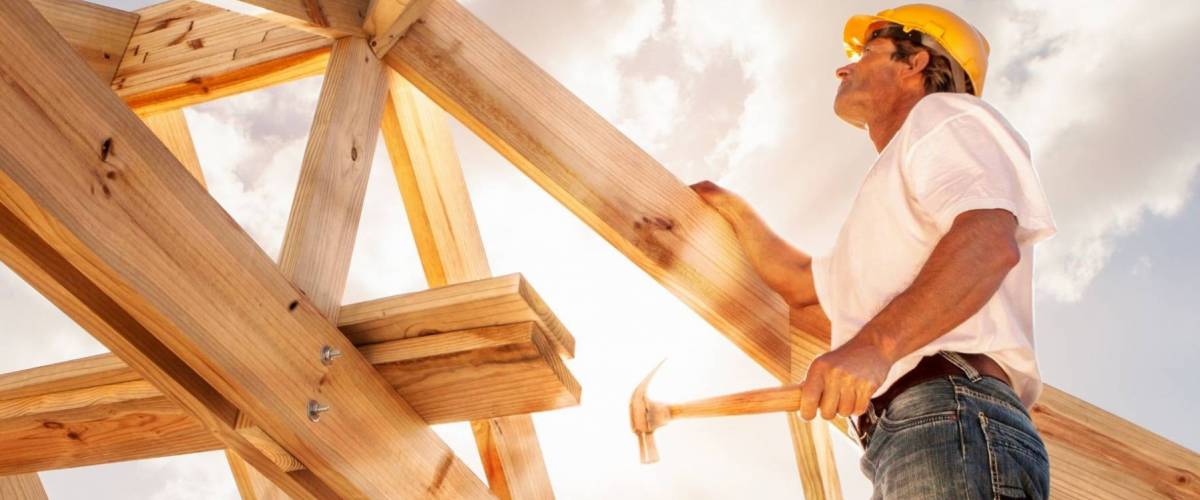
Worker building the wood frame on a home
sculpies / Shutterstock

Besides money for roads, bridges and other more traditional infrastructure, Biden's proposal includes $213 billion to "build, preserve and retrofit" more than 2 million homes and commercial properties as a means of alleviating the country’s shortage of affordable, energy-efficient homes — to buy and to rent.

"Millions of families pay more than half their income on rent, and home energy costs are a significant concern for American renters as well,” reads an overview of the president’s plan. "And, across the country, people are struggling to purchase their first home."

The package calls for building and rehabbing half a million homes to help more Americans become homeowners.

In addition to providing funding, Biden's plan also would try to eliminate a series of state and local zoning laws that the White House says "drive up the cost of construction and keep families from moving to neighborhoods with more opportunities for them and their kids."

Must Read

Join 250,000+ readers and get Moneywise’s best stories and exclusive interviews first — clear insights curated and delivered weekly. Subscribe now.

How the infrastructure plan could help put you in a house

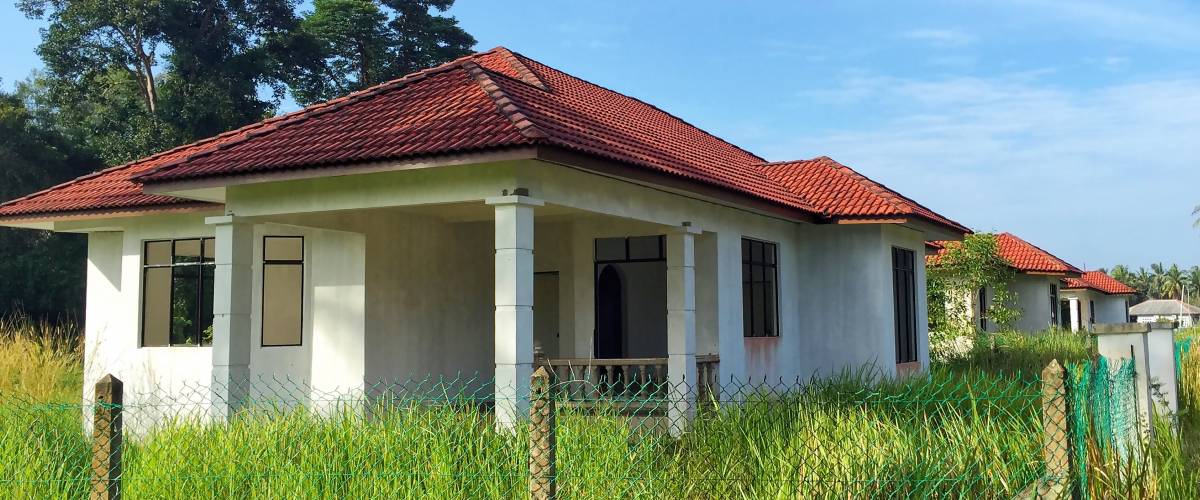
Abandoned houses
Shutterstock

Advertisement

People say real estate is all about location. But when the market is suffocatingly tight and prices are soaring, all that matters is supply.

And America has a major supply problem. Not only has new home construction stalled over the last 20 years, resulting in a shortfall of 5.5 million homes, but millions of houses across America are empty.

In a 2018 survey, the U.S. Census Bureau found that more than 17 million housing units sit vacant across the country. Not all of them are abandoned and dilapidated — some are unused investment properties, some are awaiting tenants — but many of them are.

Put those two trends together and it’s no wonder real estate prices are skyrocketing. Biden’s infrastructure plan won’t fix the country’s supply issues, but it could help rein in home prices for some buyers.

Now, fixing up or building 500,000 houses won't bring home prices back to earth. That’s only a fraction of the roughly 6 million homes that sell every year in the U.S.

Advertisement

But if Biden’s infrastructure plans materialize, and thousands of additional low- to mid-priced homes start hitting the market each year, more people could find themselves making offers on homes they could actually afford — and having their offers accepted.

Start getting that down payment ready

Down payment
Shutterstock

Optimism and today’s housing market don’t often mix, but let’s assume Congress comes to an agreement that increases both the nation’s housing supply and your chances of owning your own home.

If that happens, you’ll want to be ready.

The lowest mortgage rates tend to go to the borrowers with the strongest credit. So take a free look at your credit score now, to see if it will need improvement before you begin the mortgage process.

If you’re carrying multiple high-interest debts, get them off your books. Lenders will wonder if you can afford a mortgage when you’re already dedicating so much of your paycheck to credit card balances or other expensive debt. Taking out a single, lower-interest debt consolidation loan can help you pay off your debts faster.

And it’s never too early to start building up a down payment fund. To do that, cut expenses everywhere you can, and try some low-effort ways to boost your income. You might download a popular app that helps you earn gains in today’s rollicking stock market by investing nothing more than "spare change."

When you're trying to buy your first home, every little bit helps.

You May Also Like

Share this:

Clayton Jarvis is a mortgage reporter at MoneyWise. Prior to joining the MoneyWise team, Clay wrote for and edited a variety of real estate publications, including Canadian Real Estate Wealth, Real Estate Professional, Mortgage Broker News, Canadian Mortgage Professional, and Mortgage Professional America.

more from Clayton Jarvis

Explore the latest

Disclaimer

The content provided on Moneywise is information to help users become financially literate. It is neither investment, tax nor legal advice, is not intended to be relied upon as a forecast, research or investment advice, and is not a recommendation, offer or solicitation to buy or sell any securities, enter into any loan, mortgage or insurance agreements or to adopt any investment strategy. Tax, investment and all other decisions should be made, as appropriate, only with guidance from a qualified professional. We make no representation or warranty of any kind, either express or implied, with respect to the data provided, the timeliness thereof, the results to be obtained by the use thereof or any other matter. Advertisers are not responsible for the content of this site, including any editorials or reviews that may appear on this site. For complete and current information on any advertiser product, please visit their website.

†Terms and Conditions apply.