At $10 apiece, the Como La Flor cocktail at Sans Bar is a delight for the senses, filled with dragonfruit, a bittersweet aperitivo and rose petals floating on top. What it doesn't include is a single drop of alcohol.
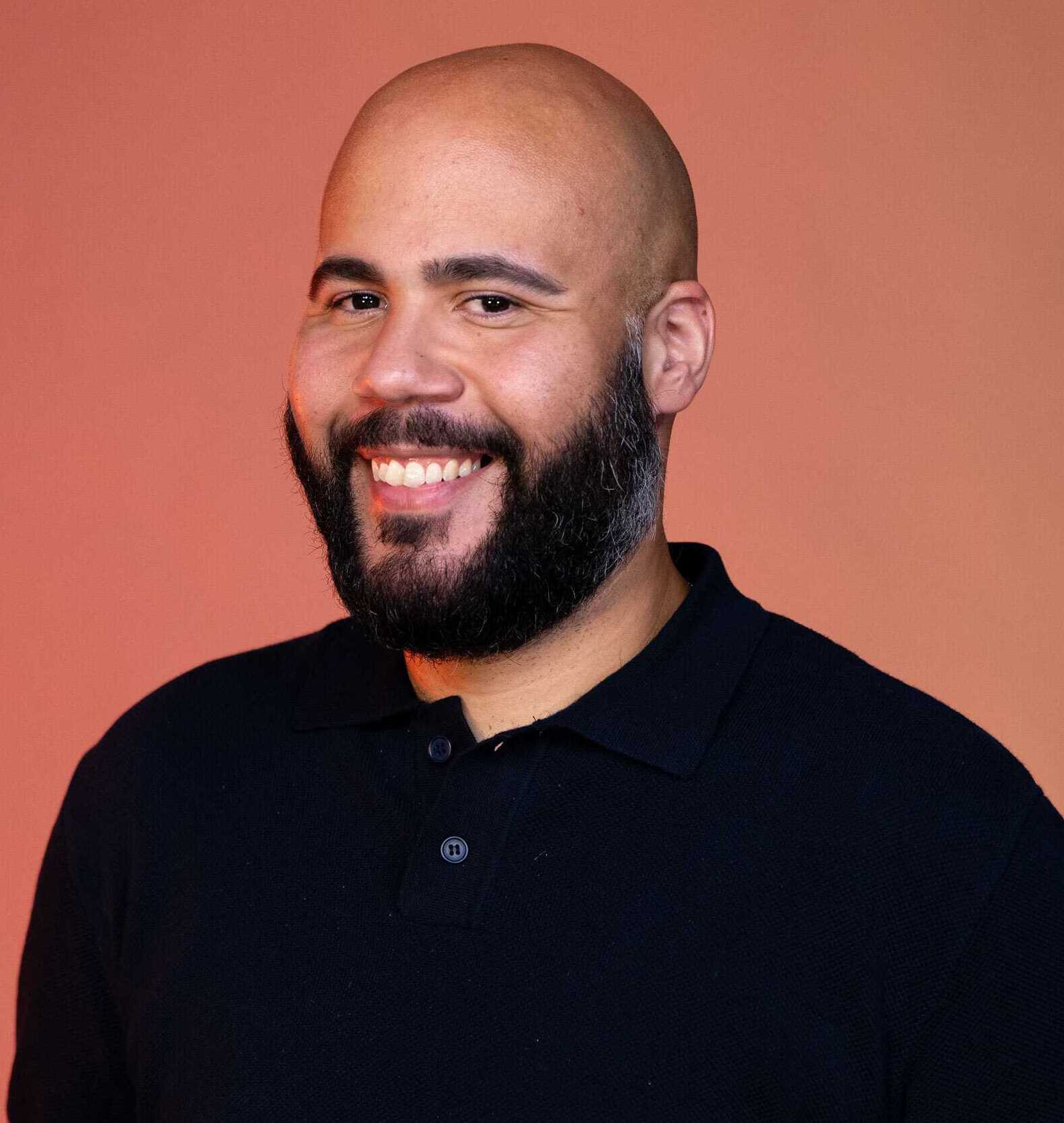
Chris Marshall is the founder of Sans Bar, one of the first in a new wave of alcohol-free bars in the U.S. “Right between abstinence and alcohol, there’s something in the middle — and that would be sober-curious,” he says.
“I think that that's what people needed, just the permission to abstain from alcohol for a period of time or for a night and not feel judged by it.”
The rise of zero-proof drinks
Between August 2021 and August 2022, total dollar sales of non-alcoholic (NA) drinks (which include beer, wine and spirits) in the U.S. climbed 20% to $395 million, according to an October report from consumer intelligence source Nielsen IQ.
Marshall has seen younger folks, as well as older millennials and Gen Xers who grew up in the say-no-to-drugs era, entering the space, concerned about the harms of alcohol on their physical and emotional health.
But there’s a lesser-discussed financial impact as well.
Must Read
- Dave Ramsey warns nearly 50% of Americans are making 1 big Social Security mistake — are you doing the same?
- Thanks to Jeff Bezos, you can now become a landlord for as little as $100 — and no, you don't have to deal with tenants or fix freezers. Here's how
- Robert Kiyosaki says this 1 asset will surge 400% in a year and begs investors not to miss this ‘explosion’
Join 250,000+ readers and get Moneywise’s best stories and exclusive interviews first — clear insights curated and delivered weekly. Subscribe now.
How do the costs compare to alcoholic drinks?
NA beverages aren’t taxed like their alcoholic counterparts — for example, beer generally comes with an excise tax of $18 per barrel — but that doesn’t necessarily mean they’ll retail for less or cost less to make.
According to Nielsen IQ research, the average unit price of a NA wine comes to $6.84, compared to $11.01 for its alcoholic counterpart. However, NA beer is priced at $9.48, costlier than $8.01 for an alcoholic beer, and NA spirits are significantly more expensive, at $27.27, than alcoholic spirits at $12.26 per unit.
Chris Furnari, who leads communications for NA craft beer company Athletic, says the technology is improving. Athletic develops its NA beer without removing the alcohol — which is how most NA beers are made — and ferments its product to be less than 0.5% alcohol. This involves 10 to 12 changes to the traditional brewing process.
Crafting mocktails can also sometimes involve pricier ingredients, like botanicals and spirit alternatives.
Marshall notes these ingredients have become a lot easier to source over time — but there are additional challenges that come with emulating the flavor of a well-beloved cocktail, like a Margherita or an Old Fashioned, without actually using any alcohol.
That said, he adds Sans Bar’s mocktails are pretty affordable, averaging at around $6.
But drinking alcohol can come with an additional price tag
The most recent national data indicates that excessive drinking cost the U.S. $249 billion in 2010.
Another study from the Minnesota Department of Health reports excessive drinking cost Minnesotans $7.85 billion in 2019, through consequences like lost productivity at work and health care costs. This meant $1,383 in costs per Minnesota resident.
Alcohol abuse can open up doors to other financial problems as well, according to the American Addiction Centers. When your inhibitions are lowered, you’re more prone to impulse buys — whether that’s buying yourself another drink or making an unnecessary expensive purchase.
This could mean contending with more credit card debt as well. You’re not only spending more money, but your lower income (due to lost work productivity) also may not cover those charges and you could forget to even make your monthly payments on time.
And lastly, if your alcohol abuse gets entirely out of hand, there’s the cost of rehab treatment — which can range between $15,000 to $27,000.
Read More: Dave Ramsey says this 7-step plan ‘works every single time’ to kill debt, get rich in America — and that ‘anyone’ can do it
Is zero-proof alcohol too pricey for the average consumer?
Maria Pearman, a certified public accountant and expert in the alcoholic beverage industry, says the cost of NA drinks really revolves around the perception of product value.
“The consumer sees it as an alternative product, not an inferior good,” Pearman says, comparing the zero-alcohol offering to Coca-Cola’s Diet Coke, which typically costs the same as regular coke.
“And furthermore, the prime demographic is not necessarily seeking a deal.”
She says the majority of consumers lie within the 35 to 54-year-old demographic — who are in their prime working years and have disposable income to spare.
Furnari says beer has been “pretty recession-proof” as people drink when times are good and bad — and it’s more accessible and affordable compared to other alcoholic beverages.
Marshall adds that people are willing to “vote with their dollars” and show that there’s demand. The quality of non-alcoholic drinks is improving as well.
“I can tell a very interesting story behind it. I can talk about wine that comes from a certain region in Italy, and I can start to really educate people,” he explains. “NA can have the same lore and history and legacy that alcohol does.”
You May Also Like
- Turning 50 with $0 saved for retirement? Most people don’t realize they’re actually just entering their prime earning decade. Here are 6 ways to catch up fast
- Inside a $1B real estate fund offering access to thousands of income-producing rental properties — with flexible minimums starting at $10
- Vanguard’s outlook on U.S. stocks is raising alarm bells for retirees. Here’s why and how to protect yourself
- Here are 5 easy ways to own multiple properties like Bezos and Beyoncé. You can start with $10 (and no, you don’t have to manage a single thing)
Serah Louis is a reporter with Moneywise.com. She enjoys tackling topical personal finance issues for young people and women and covering the latest in financial news.