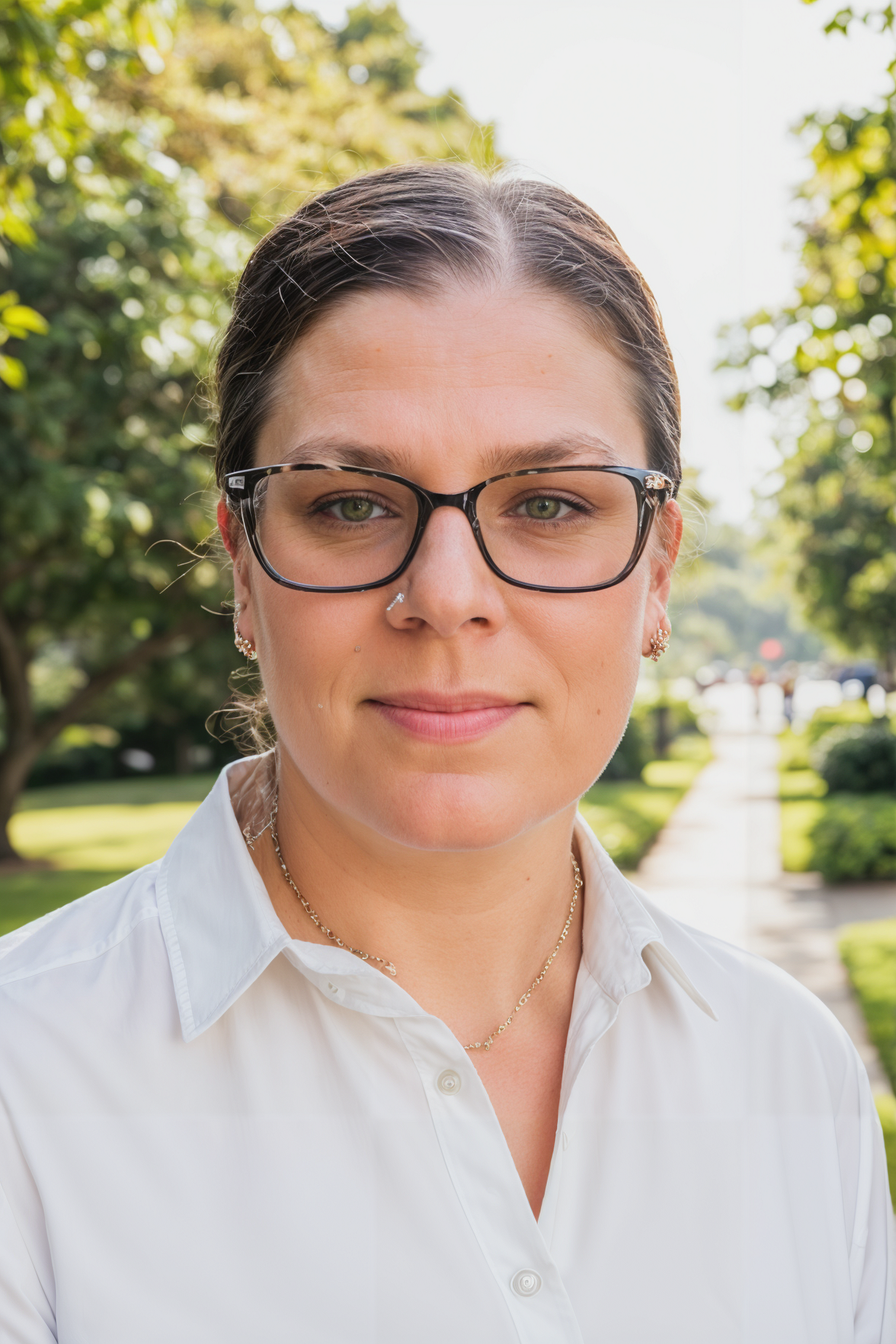
LA bakery owner takes big financial hit after receiving scam order of 1,000 cupcakes, paid for with a $7.5K counterfeit check — her bank’s promise of protection fell through
"My bank said, 'You'll be protected here, especially if you have an invoice, and you know, all the emails going back and forth,'" Stern told ABC 7. Once the funds cleared, Stern bought the supplies and started baking. But then, the supposed customer said they wanted to cut the order in half and asked for half the money back.
"I responded and said, 'No, there's no way we can do that. We've already bought all the ingredients. We've already made the batter,'" Stern recalled. The next day, $7,500 was pulled from her account.
The bank's promise of protection fell through
Stern's story is especially frustrating because, despite her caution in asking her bank for advice, she was misled. The bank assured her that as long as the funds went through the check was good — but it wasn't.
"[The bank] said, 'Oh, it's been cited as a counterfeit check. Essentially, what the scammer did is they stole another company's checkbook and wrote checks out to different vendors." Stern told ABC 7. Stern then contacted the company listed on the check, who told her she was the 15th person to call them about the same scam.
In addition to the financial impact, the scam left Stern feeling disheartened that someone would try to scam small businesses.
Check scams are on the rise, despite an overall decline in check usage. The U.S. Treasury Department reported nearly 700,000 cases of possible check fraud in 2023.
Many customers don't realize that banks often credit their accounts before the check clears. That is because banks are legally required to make funds available within two business days. But, it can take several business days for banks to realize the check is fake, and they can claw the money back — as Stern learned.
To avoid the stress of similar scams, you can take extra precautions. First, check fraud almost always includes receiving a payment by check and a convincing reason why you need to return some of the funds. Even if the money appears in your account, never refund part of a payment made by check, according to the Federal Trade Commission. The FTC reports that fraudsters use check scams to hire mystery shoppers, virtual assistants or car owners willing to wrap their vehicles in marketing decals.
Instead of taking the check to your bank, cash it at the issuing bank. They can verify the account, ensure that the check is genuine and confirm that there are sufficient funds in the account.
Consider requesting customers pay for large orders with a credit card, which offers more protection, or by cash app, which is more difficult to reverse. Finally, always be skeptical of unusual requests. Stern's company is better known for its cookies than cupcakes, which is why she was initially skeptical of the order.
Danielle is a personal finance writer whose work has appeared in publications including Motley Fool and Business Insider. She believes financial literacy key to helping people build a life they love. She’s especially passionate about helping families and kids learn smart money habits early.
The content provided on Moneywise is information to help users become financially literate. It is neither investment, tax nor legal advice, is not intended to be relied upon as a forecast, research or investment advice, and is not a recommendation, offer or solicitation to buy or sell any securities, enter into any loan, mortgage or insurance agreements or to adopt any investment strategy. Tax, investment and all other decisions should be made, as appropriate, only with guidance from a qualified professional. We make no representation or warranty of any kind, either express or implied, with respect to the data provided, the timeliness thereof, the results to be obtained by the use thereof or any other matter. Advertisers are not responsible for the content of this site, including any editorials or reviews that may appear on this site. For complete and current information on any advertiser product, please visit their website.
†Terms and Conditions apply.
You’re in.
Welcome to Moneywise! Keep an eye on your inbox for your first newsletter, free Warren Buffett investing guide, and full commenting access. Welcome to Moneywise! Keep an eye on your inbox for your first newsletter, free Warren Buffett investing guide, and full commenting access.
Our free newsletter helps you bank smarter, earn more.
Join 250,000+ readers who trust Moneywise for banking news. Our free newsletter covers rate moves, picks, and tips. Plus get a free Warren Buffett investing guide.