Feb 19, 2025
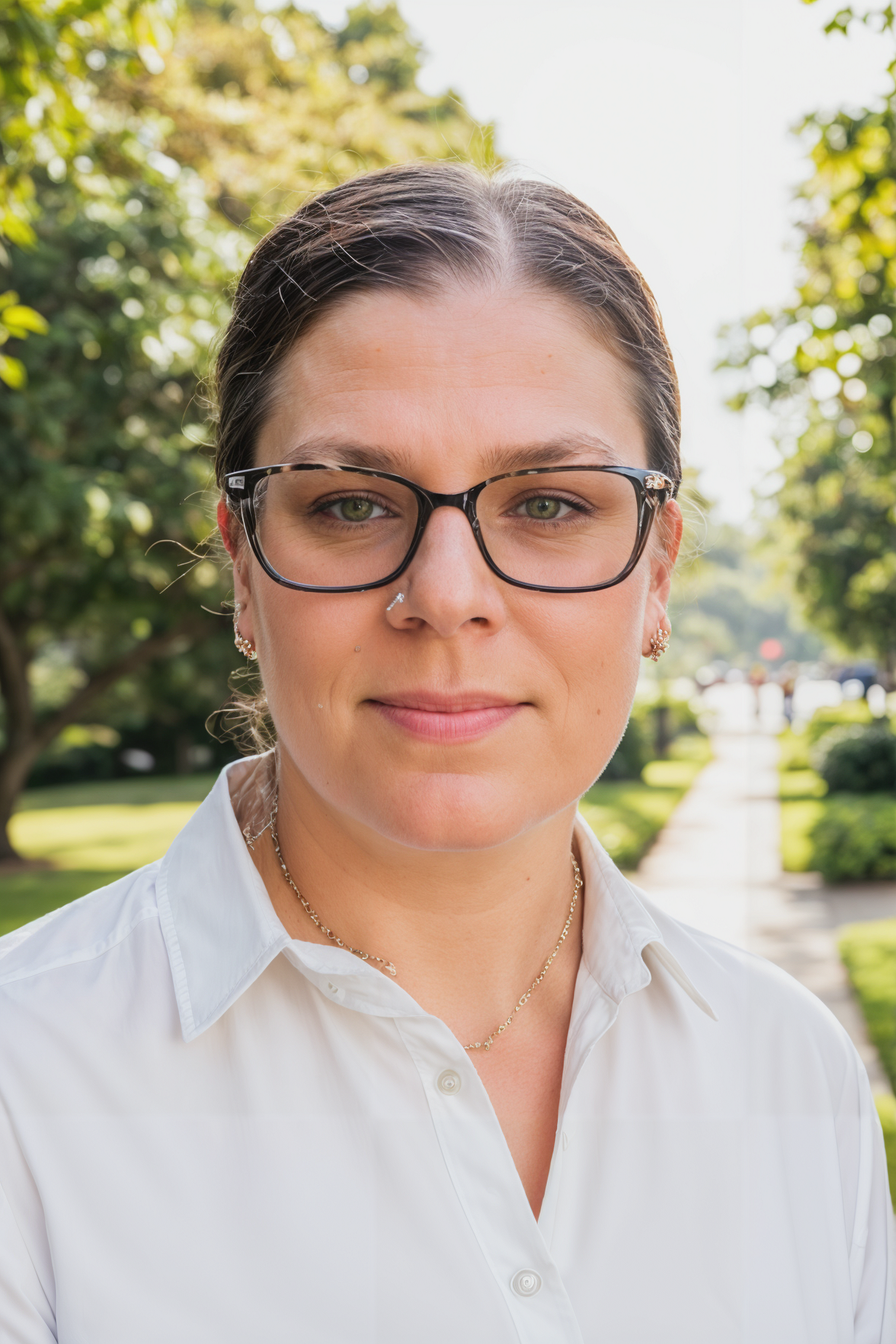
After months of house-hunting, Raegan Bartlo and her husband finally found their dream home in a small West Virginia community just a few hours from Washington, D.C.
But that dream became a nightmare as a few days before the closing, Bartlo received an email she thought was from her title company. The email provided instructions on how to wire the money for closing. She wired the $255,000 down payment as per the email’s directions, ABC 7 reported.
Advertisement
On closing day, she received another email saying her closing time had been moved. When she called her realtor to ask about the change, she received devastating news. The first email wasn't from her title company — and that $255,000 down payment was now gone.
"At that point, my whole world fell apart because I had already wired all of the down payment money for our house,” Bartlo told ABC 7 News. “And that was about $255,000. And so our nest egg, our savings, everything at that moment was gone."
Wiring fraud is becoming an increasing issue
Bartlo was a victim of real estate wiring fraud. This happens when scammers gain access to the email of a title company, mortgage company or realtor. They can see you're due to send a large payment, so they email you to provide wiring instructions. However, those funds go to the scammer's account.
“I just remember shaking a lot and not being able to think straight. To feel like everything you had saved for to be able to have financial stability was just taken,” Bartlo shared with ABC 7. “And what if I didn't have a house? My mother lives with us. Where was she going to go? What were we going to do?”
It's a story that Tom Cronkright, founder of CertifID, a company that helps prevent wire fraud, said he hears every day. He started his company in 2015 after he lost $180,000 to a wire fraud scam.
“I see it happen daily, if not multiple times a day," he told ABC 7. "The reality of it is these are some of the most sophisticated bad actors that have invested hundreds of millions of dollars into their own tradecraft.”
According to Cronkright, huge, global crime syndicates and cartels are often behind these scams. They hack into banks, real estate companies and law firms to gain information they can use to impersonate a trusted company or person. With that information in hand, they're able to send realistic-looking emails that consumers often don't question.
“The email, that includes the payment request with wiring instructions, isn’t coming out of the blue, it's tacked on to a thread of emails that they've been having for two, three, four weeks,” said Cronkright. “And now they're just saying, ‘Well, instead of bringing a check tomorrow for closing, we need you to send a wire, and here's why’."

Advertisement
Cronkright estimates losses to wiring fraud are close to $5 billion a year. His company has partnered with federal law enforcement to help educate consumers and businesses about the signs of wire fraud scams. But getting the money back is often unsuccessful. To protect themselves, consumers need to know how to spot the signs of wire fraud.
Must Read
- Dave Ramsey warns nearly 50% of Americans are making 1 big Social Security mistake — here’s what it is and the simple steps to fix it ASAP
- Robert Kiyosaki begs investors not to miss this ‘explosion’ — says this 1 asset will surge 400% in a year
- Vanguard reveals what could be coming for U.S. stocks, and it’s raising alarm bells for retirees. Here’s why and how to protect yourself
Join 250,000+ readers and get Moneywise’s best stories and exclusive interviews first — clear insights curated and delivered weekly. Subscribe now.
How to protect yourself from real estate wire fraud
Real estate fraud is a growing problem that is difficult to prosecute. Fraudsters are often overseas and use sophisticated measures to hide their identities. However, there are steps you can take to protect yourself — and your life savings.
First, know that sending a wire transfer is like sending cash through the mail — there's generally no way to get it back once it's been sent. That is why it is a popular method of transfer with fraudsters.
Be extra cautious of any emails you receive from your title company with wiring directions. Double-check the email address and look for minor changes, such as an extra space or punctuation. However, fraudsters often have access to legitimate email accounts. After receiving wiring instructions, call the title company or financial institution to verify they sent the details — and don't use the phone number from the wiring instruction email. Instead, call the number you've used in the past or from an initial email with the company.
Be on high alert if there are last-minute changes to your closing time or wiring instructions. Call your realtor, title company and financial institution. Verify the changes at least twice before proceeding. If you think you're a victim of wiring fraud, notify your bank immediately. They may be able to stop the transfer in some cases. Then, reach out to ic3.gov, the FBI's Internet Crime Complaint Center to report the fraud.
Bartlo was relatively lucky — she quickly alerted her bank and the bank to which she transferred funds. As a result, the fraudster's account was frozen before the criminal could withdraw all the money. She was able to recover roughly half of the $255,000 and had to pull money out of her retirement account to complete the home purchase.
While Bartlo's swift action helped limit her loss, it's a powerful reminder to be extra cautious when transferring money.
You May Also Like
- Turning 50 with $0 saved for retirement? Most people don’t realize they’re actually just entering their prime earning decade. Here are 6 ways to catch up fast
- This 20-year-old lotto winner refused $1M in cash and chose $1,000/week for life. Now she’s getting slammed for it. Which option would you pick?
- Warren Buffett used these 8 repeatable money rules to turn $9,800 into a $150B fortune. Start using them today to get rich (and stay rich)
- Here are 5 easy ways to own multiple properties like Bezos and Beyoncé. You can start with $10 (and no, you don’t have to manage a single thing)

Danielle is a personal finance writer based in Ohio. Her work has appeared in numerous publications including Motley Fool and Business Insider. She believes financial literacy key to helping people build a life they love.