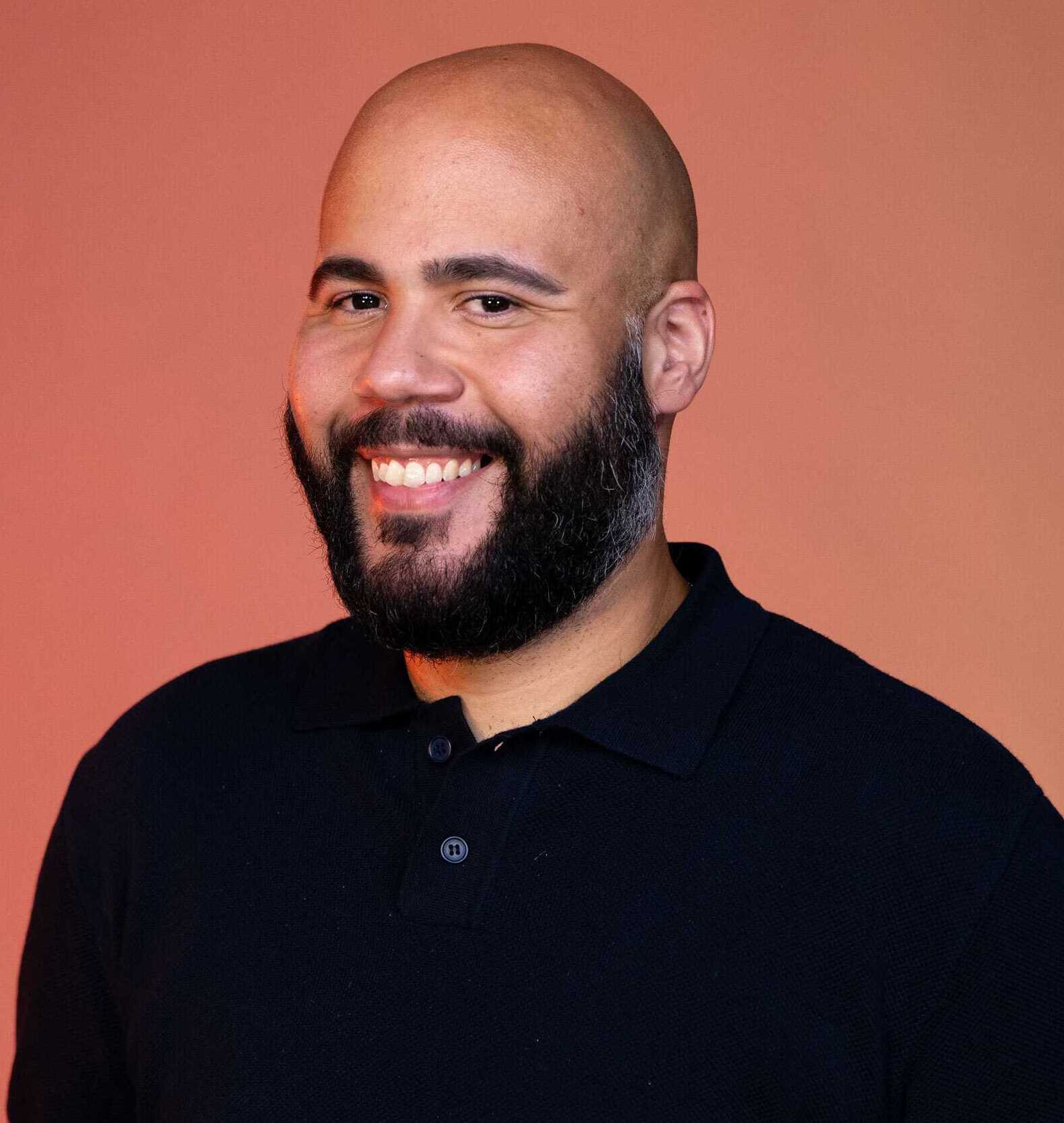
“Who in their right mind has moved out in this economy?” Tony, a 22-year-old Californian, says in his viral video. “I stay with mommy and daddy.”
In fact, many young adults are choosing to stay with mommy and daddy these days. A significant 57% of 18- to 24-year-olds still living at home, according to a recent Pew Research Center study.
And it’s clear why. Although recent analysis shows that rent increases have slowed since 2021, for renters to see true relief, they’d need to meet or exceed the national median household income. According to Zillow, that means earning more than $78,304. But in Tony’s home state of California, where rent costs significantly more than the national average, you’d likely need a six-figure salary to afford rent.
Here’s what’s really going on — and who ends up paying the biggest price in the end.
High rent, low wages
Young adults ready to launch are now facing a host of challenges, including a cost-of-living crisis, industry layoffs and stagnating wages. And that’s not to mention skyrocketing rent prices. The U.S. median monthly rent costs $1,964 in January, according to Rent.com.
Anthony, who lives in California, where the median rent price shoots up to $2,941, argues he could never find a space as good as his parents’. He has a big room with enough space for a desk, a large computer screen and a bed. He argues that if he moved out, he’d have to pay $1,000 to $2,000 a month — for a much smaller space.
Most young adults starting out their career can’t afford to pay that much for rent. California’s minimum wage is $16 per hour, which means if Anthony worked 40 hours a week at that rate, he’s only making $2,560 a month before taxes — leaving him well short of the state’s median rent rate.
And while Anthony’s situation would be hypothetical, there are many young people faced with this exact dilemma: they can’t afford to live on a single wage. To make up for this discrepancy, nearly 40% of Gen Z have two or more jobs, according to a 2023 report by marketing data and analytics company, Kantar. Anthony himself is a certified nursing assistant and does freelance graphic design on the side. Plus he’s in school getting his computer science degree.
“Being single and living on your own is nearly impossible, unless you are grinding and just broke,” he explains in another video.
How will this affect the parents?
Parents have their own feelings about their kids living at home. One Gen X mom took to TikTok to voice why she feels the conditions her young adult kids are facing are way tougher than the struggles she and her generation experienced. Letting her kids stay at home for as long as they need is her way to give them a leg up.