• Discounts and special offers
  • Subscriber-only articles and interviews
  • Breaking news and trending topics

Already a subscriber?

By signing up, you accept Moneywise's Terms of Use, Subscription Agreement, and Privacy Policy.

Not interested ?

Lifestyle
Side by side image of Michael Elefante and his wife on vacation and one of their Airbnb homes. X / Michael Elefante

This couple says they’re $12M in debt after walking away from 6-figure jobs to buy 12 Airbnbs — but claim the risky move gave them financial freedom

For many people, being $12 million in debt sounds like an absolute nightmare. But for Michael Elefante and his wife, it’s the price of financial freedom.

In a recent X post [1], Elefante told his story. He and his wife walked away from six-figure jobs, borrowed hundreds of thousands to buy their first home in Nashville, and listed it on Airbnb. The gamble paid off: the property pulled in enough money to cover the mortgage and then some.

Advertisement

Six years and 11 houses later, they claim to be earning $50,000 to $100,000 a month from short-term rentals. On social media, they show off a lifestyle of family time, travel and just “working one to two hours a week” — all while carrying millions in debt from their multiple mortgages.

Their message is simple: instead of fearing debt, use it to buy assets and let those assets pay for your life. It's a bold strategy — but is their attractive lifestyle a model to follow, or a dangerous bet that could collapse under the wrong conditions?

For many people, being $12 million in debt sounds like an absolute nightmare. But for Michael Elefante and his wife, it’s the price of financial freedom.

In a recent X post, Elefante told his story. He and his wife walked away from six-figure jobs, borrowed hundreds of thousands to buy their first home in Nashville, and listed it on Airbnb. The gamble paid off: the property pulled in enough money to cover the mortgage and then some.

Six years and 11 houses later, they claim to be earning $50,000 to $100,000 a month from short-term rentals. On social media, they show off a lifestyle of family time, travel and just “working one to two hours a week” — all while carrying millions in debt from their multiple mortgages.

Their message is simple: instead of fearing debt, use it to buy assets and let those assets pay for your life. It's a bold strategy — but is their attractive lifestyle a model to follow, or a dangerous bet that could collapse under the wrong conditions?

What are the pros and cons of this approach?

On the surface, the pros are clear. Michael and his wife leveraged debt to buy income-producing assets to create financial freedom, allowing them to focus on family, travel and experiences. For those who value time and don't want to work the 9 to 5 grind, it's an appealing trade-off.

Advertisement

But the risks should be examined. Carrying $12 million in debt means their success depends entirely on Airbnb listings. Basing your income on another platform's whims is always risky — if tourism slows, regulations tighten or expenses rise, they're still on the hook for all 12 mortgages.

Any of their homes could be impacted by natural disasters, which would limit income that they depend on. Even something as simple as a pipe bursting could have an oversized impact on their budget.

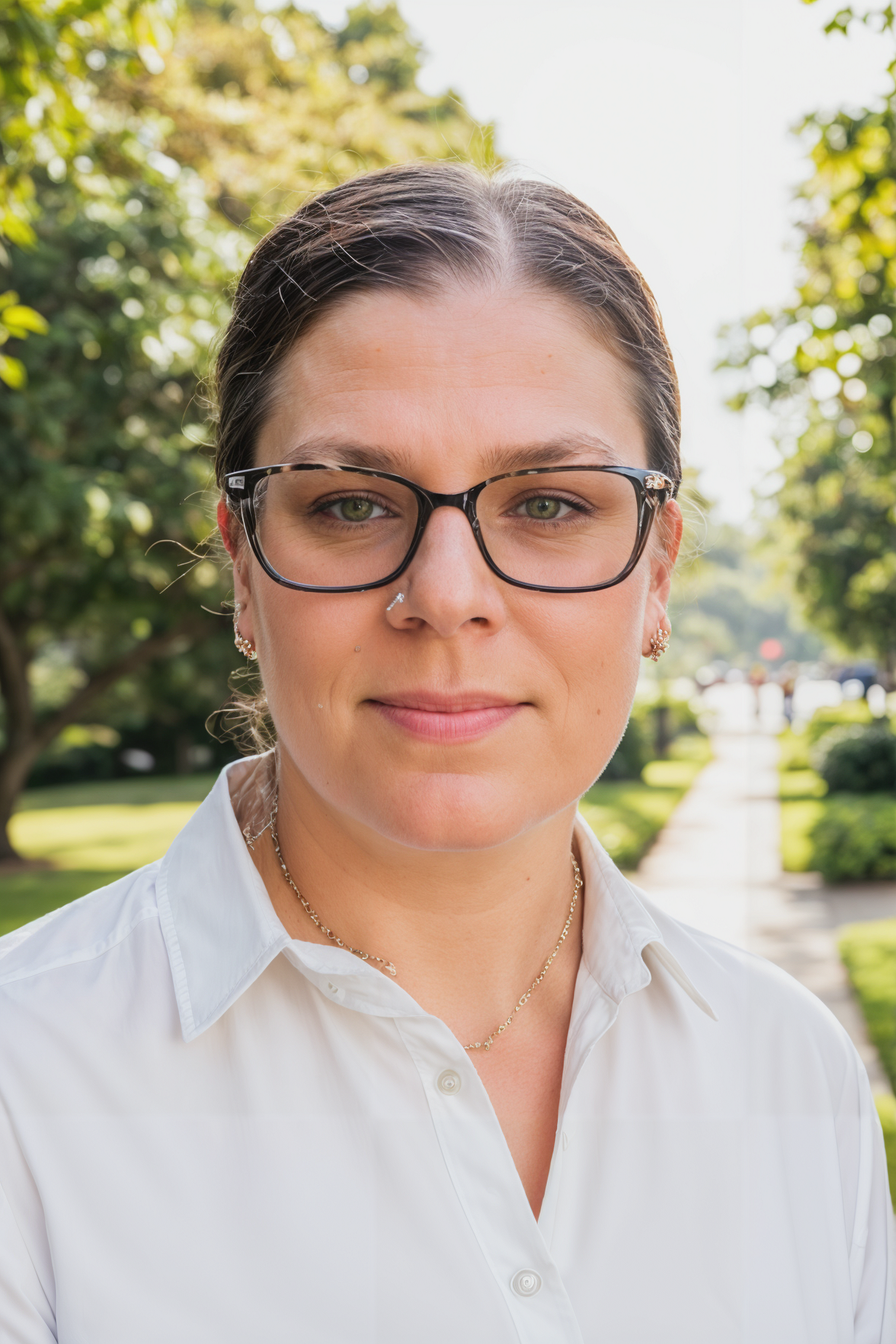
And while the couple claims they work only a few hours a week, the reality is likely more complex: managing multiple properties typically requires full-time attention or the services of an expensive property manager. On top of that, Elefante has built a side business around teaching others how to follow in his footsteps. He sells books, online courses and content that walk aspiring investors through the process, which suggests that their workload may be more demanding than it appears [2].

Must Read

Join 250,000+ readers and get Moneywise’s best stories and exclusive interviews first — clear insights curated and delivered weekly. Subscribe now.

Is this realistic for most people?

Most people can't walk into a bank without a job and qualify for the $420,000 mortgage Elefante used to get started. It’s worth noting that Elefante grew up in Chapel Hill, NC, a well-off area with strong schools, attended the prestigious Elon University [3], and both he and his wife had six-figure jobs before they began their Airbnb venture [4]. That doesn’t make his success impossible to replicate, but it does make it harder for the average person to attempt to follow.

Airbnb can also be unpredictable [5]. Cities across the U.S. are tightening short-term rental laws, and oversupply in popular markets has already reduced bookings [6] and could cut into host profits. A recession or shift in travel patterns could quickly change the math, which is an important consideration right now when travel to the U.S. is down [7]. And, offloading those homes to get out of the mortgages if needed might not be easy as interest rates rise [8].

If you're considering an Airbnb investment strategy for yourself, it's important to start small and keep the risks low. Consider renting out a room or ADU (accessory dwelling unit) on your current property first to test rental demand. This can also help you learn the ropes before taking on a whole mortgage.

Before jumping in, ask yourself:

Advertisement
  • Can I afford the mortgage if bookings dry up?
  • Do I have cash reserves for repairs, vacancies or slow seasons?
  • Am I comfortable being a landlord or paying someone else to do it?
  • What are the local laws on short-term rentals?
  • Are there any laws in the works that might impact short-term rentals?

For most people, the safest path to this type of financial freedom is gradual growth. Build equity in your current home, save aggressively and scale up after building a financial cushion. While Elefante's path isn't impossible to follow, it may not be as easy to replicate as his online content makes it seem.

Taking on millions in debt can create a lifestyle of freedom, but it can just as easily backfire. The line between financial independence and financial ruin often comes down to the financial resources that you start with, timing and risk tolerance.

Article sources

At Moneywise, we consider it our responsibility to produce accurate and trustworthy content people can rely on to inform their financial decisions. We rely on vetted sources such as government data, financial records and expert interviews and highlight credible third-party reporting when appropriate.

We are committed to transparency and accountability, correcting errors openly and adhering to the best practices of the journalism industry. For more details, see our editorial ethics and guidelines.

[1]. @melefante6. X post on Sep. 2, 2025.

[2]. Skool. "Michael Elefante"

Advertisement

[3]. Elon University. "2016 Baseball Roster"

[4]. Michael Elefante. LinkedIn post on Sep. 12, 2025.

[5]. Bloomberg. "Cities Are Cracking Down on Short-Term Rentals. Here’s How"

[6]. Air Hosts Forum. "Super Host & not one inquiry or reservation in 2025!?"

[7]. AP. "A downturn in international travel to the US may last beyond summer, experts warn"

[8]. FRED. "30-Year Fixed Rate Mortgage Average in the United States"

You May Also Like

Share this:
Danielle Antosz Contributor

Danielle is a personal finance writer based in Ohio. Her work has appeared in numerous publications including Motley Fool and Business Insider. She believes financial literacy key to helping people build a life they love.

more from Danielle Antosz

Explore the latest

Disclaimer

The content provided on Moneywise is information to help users become financially literate. It is neither investment, tax nor legal advice, is not intended to be relied upon as a forecast, research or investment advice, and is not a recommendation, offer or solicitation to buy or sell any securities, enter into any loan, mortgage or insurance agreements or to adopt any investment strategy. Tax, investment and all other decisions should be made, as appropriate, only with guidance from a qualified professional. We make no representation or warranty of any kind, either express or implied, with respect to the data provided, the timeliness thereof, the results to be obtained by the use thereof or any other matter. Advertisers are not responsible for the content of this site, including any editorials or reviews that may appear on this site. For complete and current information on any advertiser product, please visit their website.

†Terms and Conditions apply.






