

Advertisement
Advertisement
Not every restaurant chain can be McDonald's or Subway. Plenty of them struggle to compete and then dwindle away — though they don't always disappear completely.
Here are 25 chains you may have thought were dead because they disappeared from your town years ago. But they're still out there — maybe with only one lingering location.
Catch them while you can!
Advertisement
25. Big Boy

Big Boy statue at the Bob's Big Boy Express in Santa Paula, California.
Big Boy has endured since 1936, when the company got its start as Bob's Pantry. At one time, the chain was a giant in the restaurant industry — in more ways than one.
In 1979, more than 1,000 Big Boy burger joints greeted customers across the U.S. with towering statues of the chain's chubby, cheery mascot.
Since then, the diner-style restaurants have lost out to quick-service competitors in the burger business.
Advertisement
So today, around 200 Big Boys and Frisch's Big Boys are in business, primarily in the Midwest. New owners of Big Boy Restaurants International are trying to revive the brand through a new fast-food restaurant format.
Advertisement
24. Rainforest Cafe

Rainforest Cafe doesn't quite have the roar it once did.
You can’t help loving Rainforest Cafe, with its plastic jungles, waterfalls, intermittent thunderstorms and animatronic gorillas. Most fans have fond memories of the gift shops attached to most locations.
Guests keep coming back for the coconut shrimp, Mojo bone ribs, reasonably priced steaks, and affordable kids meals. Plus, whenever someone is served one of the erupting brownie desserts, the whole restaurant has the fun of screaming, "Volcano!"
Though it has been more than 20 years since the theme restaurant fad peaked, Rainforest Cafe continues to survive, though it's not roaring as loudly as it once did.
The chain's website shows 17 Rainforest Cafes are currently in business in the U.S., down from a high of 32. Another five locations operate outside the U.S.
Advertisement
23. Planet Hollywood

It's a much smaller Planet Hollywood these days.
Planet Hollywood launched in New York in October 1991 with a ton of hoopla. The theme restaurant was backed by Hollywood celebrities Bruce Willis, Demi Moore, Sylvester Stallone and — before his days as California governor — Arnold Schwarzenegger.
Advertisement
Each new location reported close to $15 million in sales during its first year. At Planet Hollywood's height, 87 locations spanned the globe, in places including Phoenix; Columbus, Ohio; and the Mall of America in Minnesota.
But Planet Hollywood faded, along with the star power of its famous investors.
The official website shows there are now just six Planet Hollywood restaurants, though the company is expanding as a luxury resort brand.
Advertisement
22. Baja Fresh

Baja Fresh has disappointed loyal fans by pulling out of large swaths of the U.S.
Before Chipotle, Qdoba and Moe's, there was Baja Fresh Mexican Grill, a burrito chain that started in 1990. It grew quickly on the popularity of its fresh ingredients and its tangy, dark and mysterious "Salsa Baja" at the restaurants' salsa bars.
In 2002, Wendy's bought Baja Fresh — and that's when things started going downhill. Sales declined, and Wendy's would sell the burrito business at a loss just four years later.
Baja Fresh once had as many as 300 restaurants, but the chain has been shrinking and pulling out of parts of the U.S. It recently attempted to return to Florida, but a location in Miami lasted less than a year.
The company reported 165 Baja Fresh locations in 2017.
Advertisement
21. Tony Roma's

Tony Roma's boasts that it has "over 150 family restaurant locations on six continents." But the chain's website shows only 17 of those are in the U.S., where the company got its start.
Advertisement
Tony Roma, who was oversaw the menu for the Playboy Club, opened his first namesake restaurant in Miami in 1972. It became a franchise through an investment from Clint Murchison Jr., the founder of the Dallas Cowboys.
Tony Roma's once had more than 160 stores in the U.S., but American customers lost their enthusiasm for the chain's ribs and other barbecue fare.
The company continues to grow overseas and recently announced the opening of its 37th location in Spain.
Advertisement
20. TCBY

TCBY has been melting away.
TCBY originally stood for "This Can't Be Yogurt," but the company later switched to "The Country's Best Yogurt" after its original name drew a lawsuit from a competitor.
Now, the acronym might as well stand for "This Chain Brings Yawns." TCBY — which got its start in Arkansas in 1981 — has struggled to compete against newer, trendier frozen yogurt franchises.
With over 50 possible flavors, and some gluten-free menu items, TCBY is trying its best to sweeten the deal for customers.
The company reportedly had nearly 1,800 locations in the early 2000s. The website shows that today, there are only around 350, and stores keep closing. A TCBY in Lincoln, Nebraska, went out of business in 2017 after more than three decades.
Advertisement
19. Quiznos

The Quiznos sandwich chain has been shrinking and shrinking.
The first Quiznos opened in Denver in 1981, and it wasn't long before the chain's tasty and toasty subs could be found throughout the U.S. and around the world.
At one time, the chain was even in serious competition with Subway for the title of America's favorite fast-food subs.
Advertisement
But in recent years, Quiznos shops have been vanishing about as quickly as they spread. In January 2019, fewer than 400 were left in the U.S. — down from some 5,000 locations in 2007, Restaurant Business reported.
The chain took a beating during the Great Recession and filed for bankruptcy in 2014. Fans of Quiznos are hoping to see some magic worked by the company's new owner, an investment firm with experience turning troubled businesses around.
Advertisement
18. Kenny Rogers Roasters

Kenny Rogers Roasters restaurants have disappeared from the U.S. but are all over Asia.
Country singer Kenny Rogers (the guy who sang, "You've got to know when to hold 'em, know when to fold 'em") founded a chain of rotisserie chicken joints in 1991 with the help of former KFC investor John Y. Brown.
The restaurants became a part of American pop culture. In a 1996 episode of Seinfeld, Kramer declares war on a brightly lit KRR across from his apartment — and then gets hooked on the chicken.
Rerun viewers who've never heard of Kenny Rogers Roasters may be baffled, because the chain no longer exists in North America.
But it's thriving across Asia: A Malaysian company operates scores of locations throughout the region.
Advertisement
17. Blimpie

Blimpie sandwich shops are still around, but there are a lot fewer of them than there used to be.
It seems like Blimpie has been around forever — it's America's oldest submarine sandwich chain, founded in 1964.
If you were a fan of Tina Fey's sitcom 30 Rock you may remember Blimpie as an occasional punch line. Its subs were a fave of loser character J.D. Lutz.
In recent decades, Blimpie has been a loser, too. It has lost a lot of "footprint" and has changed ownership multiple times.
Advertisement
At the chain's peak in the early 2000s, close to 2,000 Blimpie shops could be found throughout the U.S. and overseas. But now, the company's website shows around 250 locations. The world's first Blimpie — in Hoboken, New Jersey — closed in 2017.
Advertisement
16. Kewpee

Kewpee is a relic restaurant if ever there was one. The very first one started serving up hamburgers in Flint, Michigan, in 1918, and a full century later the chain is still around. But just barely.
The name was inspired by the kewpie doll, a cutesy, chubby baby doll that was popular in the early 20th century. The burgers became popular, too, and by the 1940s around 400 Kewpee restaurants were operating nationwide.
Wendy's founder Dave Thomas once said Kewpee inspired him to go into the burger business.
Now, just five Kewpee locations remain: one in Wisconsin, one in Michigan and three in Lima, Ohio.
Advertisement
15. Bennigan's

Bennigan's is an Irish-themed chain of pubs that has struggled to stand out.
Bennigan’s is an Irish-themed restaurant chain that was founded in Atlanta in 1976. It was near death, but the company is trying to make a comeback.
In 2007, the owners filed for Chapter 7 bankruptcy liquidation and shut down 150 restaurants overnight. A new CEO came on board to try to revive the brand in 2011.
Advertisement
The chain has had difficulty standing out against competitors like TGI Friday's and Chili's. Despite Bennigan's Irish pub roots, the menu featured Southwestern-style appetizers, Cajun chicken, shrimp, Sriracha burgers, and tempura shrimp.
Today, there are 13 Bennigan's locations in the U.S., stretching from Texas to New Jersey, according to the chain's website.
Advertisement
14. Arthur Treacher's Fish & Chips

This Arthur Treacher's in Washington, D.C., when out of business -- like hundreds of others.
Arthur Treacher was a movie actor who specialized in playing British butlers. Just think of that old search engine Ask Jeeves. Treacher, in fact, played a butler named Jeeves in a couple of movies in the 1930s.
The fish and chips restaurants that carried his name got their start in Columbus, Ohio, in 1969. The chain expanded rapidly, and at its peak there were over 800 locations nationwide.
But the company’s downfall began when the price of cod skyrocketed in the late 1970s. The "Cod Wars" — a fishing rights dispute between Iceland and Great Britain — made the cod used in the chain's fish and chips recipe very expensive.
Just seven standalone Arthur Treacher's survive, in Ohio and New York.
Advertisement
13. Ground Round

Ground Round currently operates 22 locations, including this one in South Dakota.
In the 1970s and '80s, parents endured a lot of begging to go to Ground Round, because the restaurants were famous for hosting great kids' birthday parties starring a mascot named Bingo the Clown.
For adults, Ground Round was the place where you got peanuts in the shell before your meal — and were encouraged to throw the shells onto the floor.
Ground Round went out of style, and in 2005 nearly half the roughly 130 restaurants closed abruptly closed ahead of a bankruptcy filing.
Advertisement
Today, there are fewer than 25 locations still operating in the Midwest and the Northeast — thanks to franchise owners who banded together to buy the company and stop it from going away entirely.
Advertisement
12. Chi-Chi's

Chi-Chi's went out of business in the U.S. and Canada in the mid-2000s.
Like Kenny Rogers Roasters, Chi-Chi's no longer exists in North America, though the Tex-Mex restaurants can still be found overseas, including in Belgium and Luxembourg.
So if you're craving Chi-Chi's Mexican fried ice cream, you'll need to book a flight.
But the Chi-Chi's brand may be as close as your nearest supermarket. Hormel — the company best known for Spam — sells Chi-Chi's salsa, chips and other products.
At one time, Chi-Chi's had more than 200 restaurants, but its U.S. and Canada locations were all gone by late 2004 following bankruptcy and hepatitis. An outbreak linked to green onions at a Chi-Chi's near Pittsburgh killed four people in late 2003.
Advertisement
11. Roy Rogers

Today, there are only 50 locations serving up old favorites like the Double R Bar Burger.
In the late 1960s, Roy Rogers — "King of the Cowboys" in old movie westerns — licensed his name to a chain of burger restaurants. By 1991, there were more than 600 locations, mostly in the northeastern U.S. and mid-Atlantic.
Advertisement
And then, the business was sold. The restaurants were turned into Hardee's burger joints — and fans of the Roy Rogers brand were furious. The customer revolt was so powerful that Hardee's tried switching the name back.
But the damage was done. The Roy Rogers chain went off into the sunset, though in recent years it has been trying to make a comeback.
Today, there are 50 locations serving up old favorites like the Double R Bar Burger.
Advertisement
10. Country Buffet
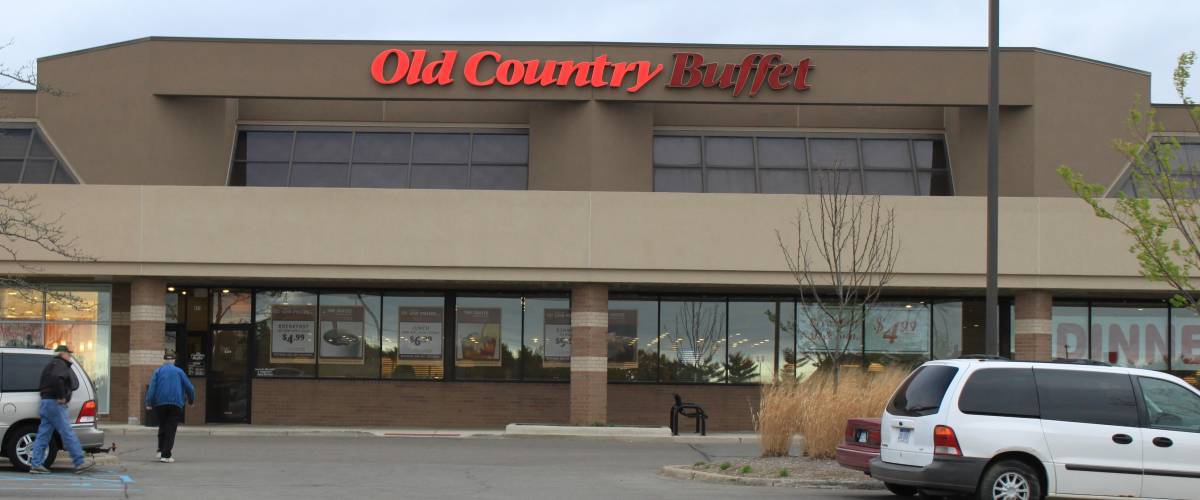
In the mid-2000s, Americans were piling it on their plates at some 700 buffet restaurants called either Country Buffet, Old Country Buffet, HomeTown Buffet or Ryan's.
The names may have been different, but it was all one company and one concept: all-you-could-eat of comfort-food favorites like fried chicken, meatloaf, mac and cheese, and coconut cream pie. The locations all looked the same, and customers could count on the same menu classics.
The business encountered some serious indigestion and went through a series of bankruptcies and closings. Buffets, in general, fell on hard times — experiencing a steady decline over the years.
The website shows fewer than 80 of the buffets are currently operating.
Advertisement
9. Howard Johnson's

Howard Johnson's restaurants, which were often connected to motels, was once America's largest restaurant chain and served more meals outside the home than anyone but the U.S. Army.
At HoJo's peak in the late 1970s, it covered the country with more than 1,000 of its iconic orange roofs. The restaurants were even featured in an episode of Mad Men.
Advertisement
The motel chain is still growing, but today just one Howard Johnson's restaurant remains: in Lake George, New York. It tries to stay faithful to the signature dishes fans remember, like fried clam strips and macaroni and cheese.
The rest withered away as the chain went through ownership changes.
Advertisement
8. Chicken Delight

In the early 1960s, it was hard to escape a jingle that told Americans, "Don't cook tonight — call Chicken Delight."
Chicken D had more than 1,000 locations and was bigger than KFC. The fried chicken was part of pop culture and was referenced in the TV sitcom Bewitched and the movie comedy Village of the Giants.
But the quality was inconsistent from one restaurant to another, and customers flew the coop.
About 25 Chicken Delights are operating today, in central Canada and the New York City area. Customers find the chain's classic fried chicken, and now the menu also includes buffalo wings, chicken fingers and family combos — with cheesecake for dessert.
Advertisement
7. The Brown Derby

During the golden age of Hollywood, the Brown Derby was synonymous with movie-star glamour. It was a place where film deals were made, newcomers were discovered, and people on the way down went to be seen.
Advertisement
At one time, there were four Brown Derby restaurants operating in the Los Angeles area, including an iconic location on Wilshire Boulevard with a dome that made the place resemble a giant derby hat.
The chain became old hat, and all four locations were gone by the mid-1980s.
But thanks to a licensing deal, one "Hollywood Brown Derby" restaurant is in business today — at Disney's Hollywood Studios park within Walt Disney World in Florida.
Advertisement
6. Gino's Hamburgers
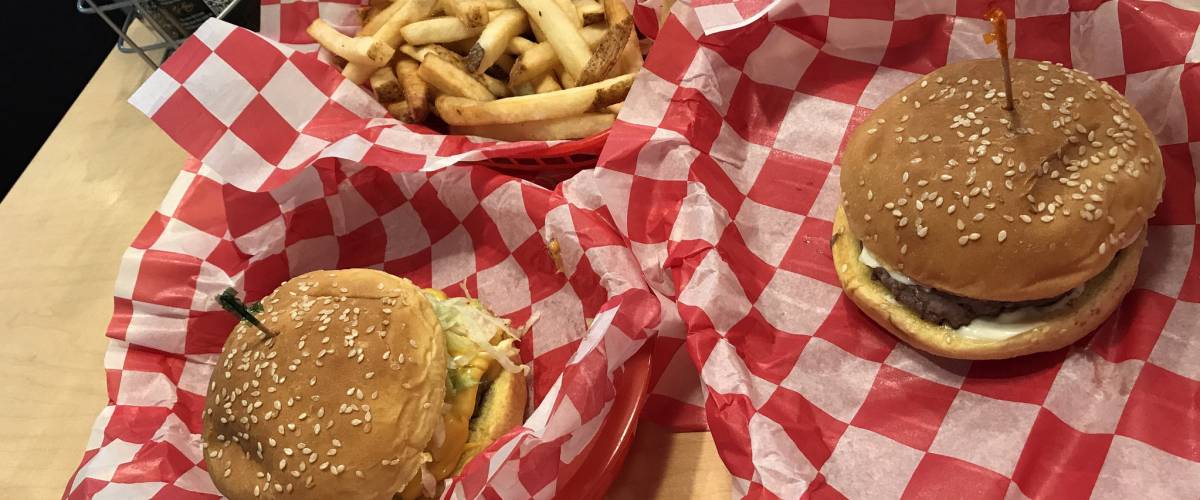
Gino's was founded in the late 1950s and took its name from one of its co-founders, Gino Marchetti, who led the Baltimore Colts to NFL championships in 1958 and '59.
The chain was always a second-stringer in the restaurant leagues, though it grew to more than 350 locations. It tried an ill-fated expansion into the Midwest in the 1970s.
In 1982, Marriott Corp. bought Gino's and decided to convert its locations into Roy Rogers. (And we already know how things turned out for Roy's.)
The Gino's brand went away, though it returned in 2010 as Gino's Burgers & Chicken. Today, there are two restaurants hanging on, both in the Baltimore suburbs.
Advertisement
5. Dog n Suds
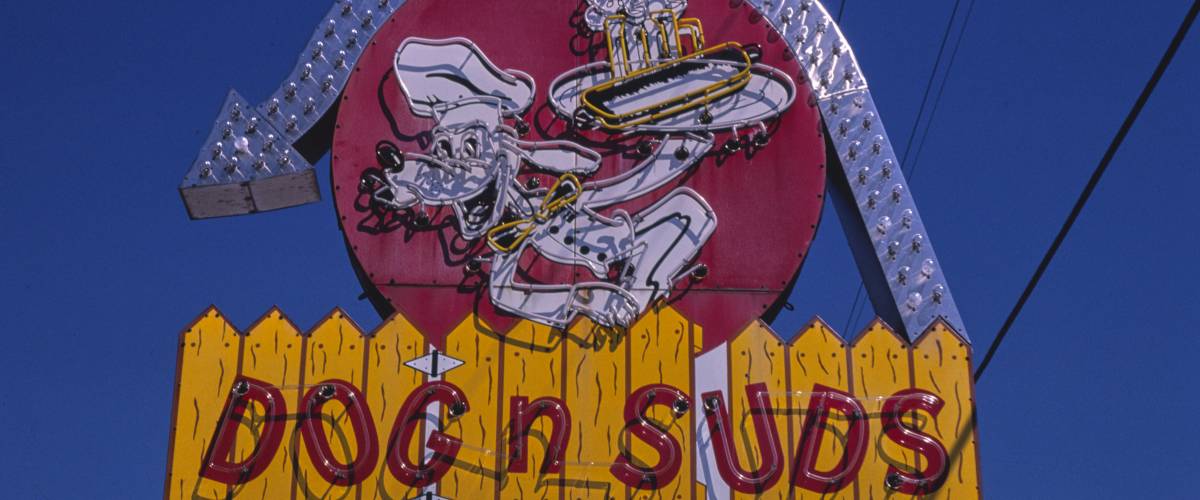
At one time, the U.S. had 650 Dog n Suds drive-in restaurants.
Hamburgers and hot dogs typically get equal space on the grill at cookouts, but in the fast-food business, it's not even close. Burgers are king, and frankfurters are (frankly) rare to even find on the menu.
Advertisement
But, going back to the 1950s, hot dogs have shared star billing with root beer at restaurants called Dog n Suds. They're drive-ins — with carhops, serving up their "famous" Coney cheese dogs. Think of the old TV show Happy Days.
According to the book Fast Food: Roadside Restaurants in the Automobile Age, Dog n Suds in 1968 had 650 locations in 38 states.
Today, only 10 are left, in the Midwest.
Advertisement
4. York Steak House

Just this one York Steak House remains, in Columbus, Ohio.
In the 1970s and 1980s, York Steak House restaurants could be found throughout the eastern U.S., primarily in shopping malls. The chain, with its faint knights-of-the-round-table theme, dished out its steaks and fixin's cafeteria-style.
York Steak House was owned by General Mills, best known for Cheerios, Cinnamon Toast Crunch and other breakfast cereals.
After the company sold off York, most of the chain's meat-and-potatoes restaurants were shut down in 1989.
But not the location on the west side of Columbus, Ohio, which is the only one still in business to this day. It continues to serve up steaks, baked potatoes, pies — and heaping helpings of nostalgia.
Advertisement
3. Damon's Grill

Yet another chain with ties to central Ohio, Damon's was founded in Columbus in 1979 and eventually grew to nearly 140 casual dining restaurants in the eastern U.S. and the United Kingdom. Damon's was part sports bar, part steak-and-barbecue joint.
The menu's stars included steaks, ribs, bourbon chicken, and pulled pork sandwiches, among others.
Advertisement
The company suffered setbacks as other chains jazzed up their menus with much more variety than the flavors customers found at Damon's, which focused on more basic all-American fare. Fans also said the quality of the food and the service declined.
Damon's survived a 2009 bankruptcy filing but has continued to dwindle away. Today, just three U.S. restaurants are still going.
Advertisement
2. Ollie's Trolley

One of the last three Ollie's Trolley locations is popular with tourists in Washington, D.C.
In the 1970s, John Y. Brown Jr. — the man responsible for developing Col. Harland Sanders' Kentucky Fried Chicken into a national chain — tried to do the same thing with a spiced burger he'd discovered at a restaurant in North Miami Beach, Florida.
Brown reportedly told the burger's inventor, Oliver Gleichenhaus, that he'd make him "bigger than the Colonel." By 1976, a streetcar-themed restaurant called Ollie's Trolley was in nearly 100 locations nationwide.
But the burgers never caught on, and the restaurants were too small to have drive-thrus, which customers were starting to demand.
Today, just three Ollie's Trolleys remain: in Cincinnati; Louisville, Kentucky; and Washington, D.C.
Advertisement
1. Chock Full O'Nuts

The Chock Full O'Nuts coffee brand and cafes have a long history, going back to a chain of New York City nut shops launched by William Black in 1926.
When the Great Depression hit — and even nuts seemed like a luxury — Black converted his nut stores into lunch counters, serving a cup of coffee and a sandwich for 5 cents. By 1971, Chock Full o’ Nuts had over 80 sandwich and coffee shops in the New York area.
When Black died in 1983, only 17 cafes were left, and they eventually closed.
But in 2010, Chock Full O'Nuts coffee shops returned. Today, there are six: in metro New York and Miami.
Advertisement
Restaurant Chains That Bit the Dust

As tough as it's been for all those dwindling chains, they're actually the lucky ones. There are many more failures than hits in this industry.
The restaurants on this next list fell and never got back up. Here are 30 defunct chains that you either hated to lose or loved to hate.
Advertisement
30. Burger Chef
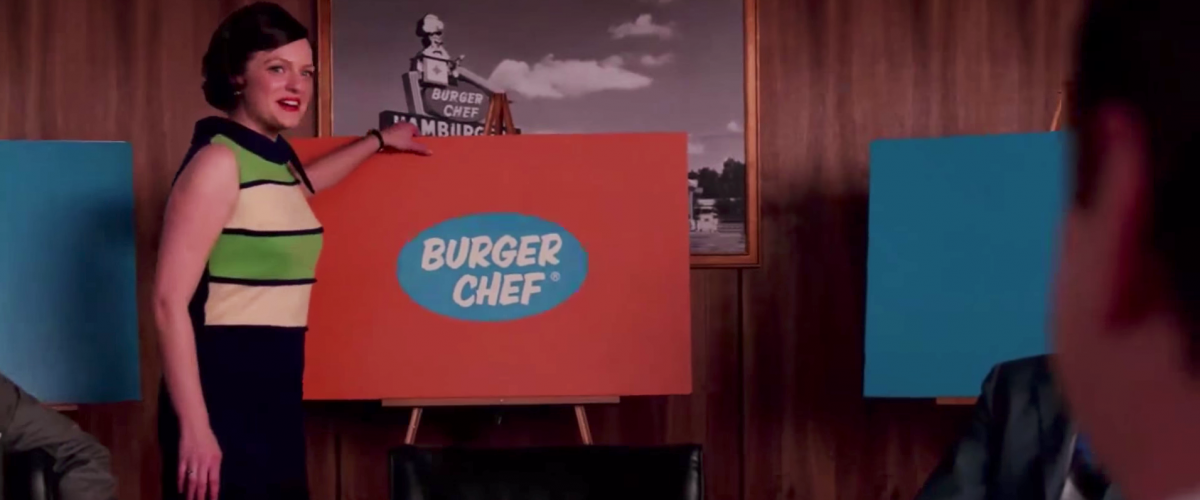
This once iconic chain, showed up in an episode of AMC's "Mad Men."
Burger Chef was almost as big as McDonald’s back in the day. But, overeager expansion led to its demise.
Brothers Donald and Frank Thomas were merely trying to open a product demonstration shop. Their father manufactured then-novel restaurant equipment such as soft serve ice cream machines and flame broilers.
The popular demo shop spawned Burger Chef in 1958. It was the first restaurant to bundle a kid’s meal with a toy and to offer a burger-fries-drink combo.
On AMC’s Mad Men, Don Draper and associate Peggy Olson landed the Burger Chef account in 1969.
Advertisement
29. Sambo’s

Controversy and breakfast foods aren't successful together.
Sam Battistone and Newell Bohnett never meant to stir controversy in 1957 when they christened their breakfast place with combined letters from their names. When they became aware of the children’s book “The Story of Little Black Sambo,” they took the jungle theme and ran with it.
By 1979, there were 1,100-plus locations.
The book’s title character was actually a dark-skinned Indian boy, but the name Sambo was considered pejorative to African Americans. It didn’t help that young Sambo, riding a tiger, was half naked.
Even remarkably fluffy pancakes and low prices couldn’t overcome widespread protest.
Advertisement
28. ShowBiz Pizza Place

There's no business like show business.
It was universally adored by kids. It got on parents’ last nerve.
The concept was basically pizza served with noisy arcade games and rides on the side.
ShowBiz’s animatronic stage show, “Rock-afire Explosion,” featured Billy Bob, a hillbilly bear; a keyboard-banging gorilla; and a mouse that looked more like a rat dressed as a cheerleader.
The first location opened in Kansas City, Missouri, in 1980. Chuck E. Cheese took over and converted all the ShowBiz restaurants between 1988 and 1992.
Advertisement
27. Steve’s Ice Cream

Steve's paved the way for some of the most popular ice cream spots.
Steve Herrell forever changed dessert when he impulsively crumbled a Heath bar into his ice cream.
In 1973, he opened his first parlor in Somerville, Massachusetts. His idea inspired products like Dairy Queen’s Blizzard and eventually gave birth to modern gourmet ice creams. Ben & Jerry’s, Cold Stone Creamery, Amy’s Ice Creams and many other brands took their cue from Herrell.
He sold his chain in 1977. When prepackaged Steve’s Ice Cream showed up in grocery stores in the late ’80s, many franchised locations went out of business. The chain closed for good in the late ’90s.
Advertisement
26. Red Barn

This barnyard is closed for business.
The giant red barns were hard to miss, and the jingle was pretty catchy: “When the hungries hit, hit the Red Barn!”
The chain swelled to 400 locations in the ’60s and ’70s. In addition to hamburgers, Red Barn offered items that its direct competitors did not such as fried chicken, fish sandwiches and a salad bar. The salad bar was especially unusual at the time.
McDonald’s, Wendy’s and Burger King simply had deeper pockets, but Red Barn's popularity holds out to this day. There's a Red Barn Facebook group with more than 5,000 followers.
Advertisement
25. Official All-Star Café

Even the celebrities couldn't save this cafe.
This chain had only 10 units, but they were in glamorous locations like Las Vegas, Cancun and Walt Disney World. The star-studded list of investors included the likes of Shaquille O’Neal, Tiger Woods and Monica Seles. Cindy Crawford and Whoopi Goldberg attended the 1995 Manhattan opening.
Owner Planet Hollywood had big plans for the restaurant-sports memorabilia concept. The glitz reportedly cost $15 million per restaurant.
Mediocre, astronomically priced bar food will get you nowhere, and the novelty quickly wore off. The last remaining location closed in 2007.
Advertisement
24. Carrols
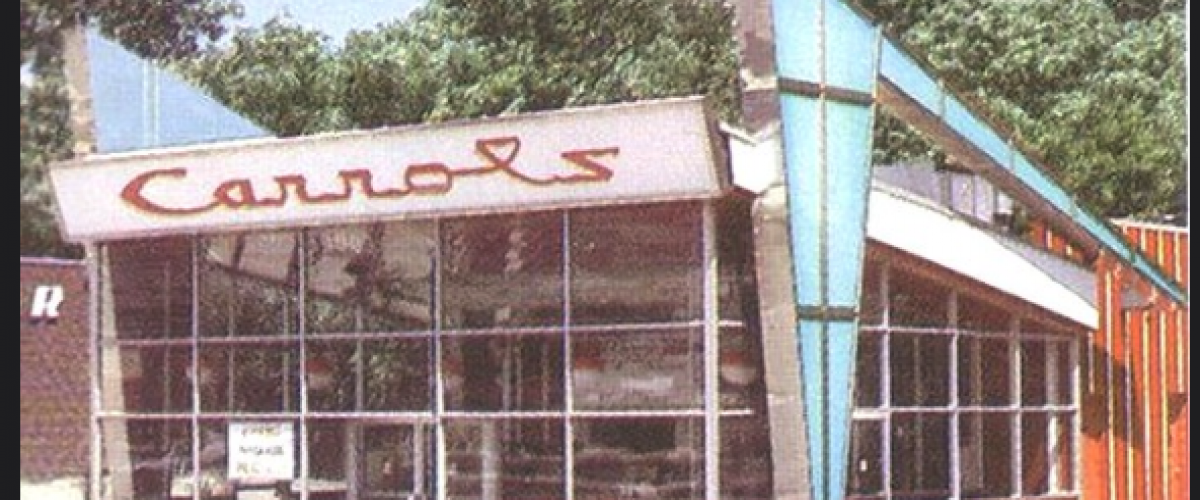
No more three-decker burger and Looney Tunes glasses.
Fans in the Northeast still mourn the loss of this local chain. About 150 restaurants sprang up throughout New York and Pennsylvania in the ’60s and ’70s.
Carrols was a significant step up from McDonald’s and Burger King, but by 1977, the small chain had been bullied out of existence by the big ones.
Grown men cry remembering the three-decker Club Burger with special Royal Sauce. There was a delectable fish sandwich and crispy fried chicken.
Attics in Syracuse, Rochester and Buffalo are bound to contain sets of Carrols’ collectible Looney Tunes glassware.
Advertisement
23. Fashion Café
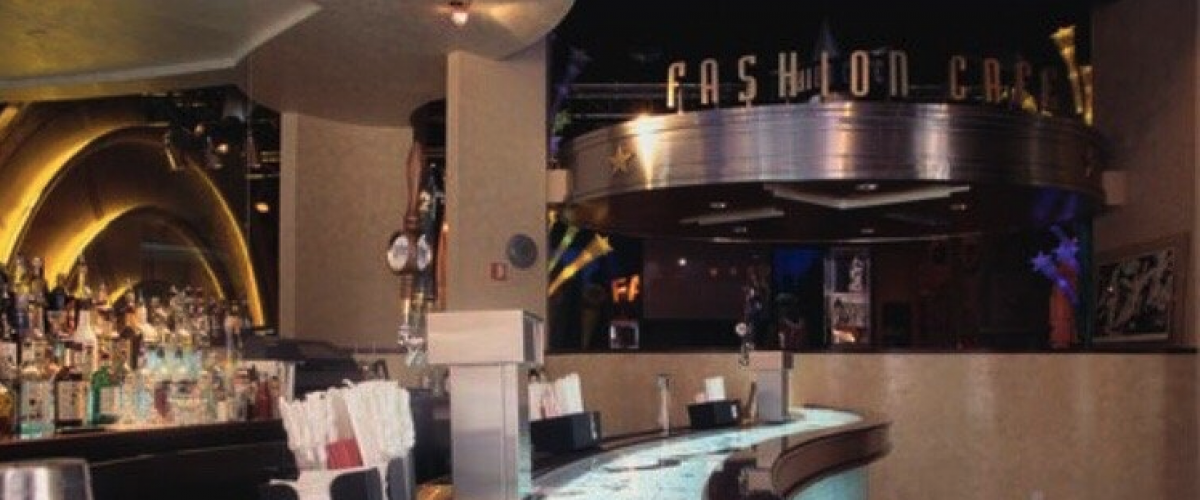
Fashionistas and food don't go well together.
This one’s complicated.
Entrepreneurs Tommaso and Francesco Buti coaxed four leggy supermodels into pretending that they were major investors. The first of eight locations worldwide opened in Manhattan in 1995.
Even with Naomi Campbell’s fish and chips recipe and the Versaces ever so coolly sipping cocktails in the lounge, the Buti brothers' 2000 indictment for fraud killed the concept.
Besides, as author Matt Haig observed, “The connection between models and food was not an obvious one, and ‘fashion’ was not a theme that made people feel hungry.”
Advertisement
22. Scholl’s Colonial Cafeteria
Ahead of its time, but couldn't keep up.
Scholl’s was wildly popular with government workers, tourists, and school kids and teachers on field trips. It wasn’t unusual to see charter buses lined up outside.
Scholl’s famously served customers of all races long before the civil rights movement. It employed immigrants right along with Scholl extended family members. Clergy or other officials of any religion ate for free, and the restaurants were very involved with feeding the homeless.
The last location closed in 2001 because of rising rent and a sharp drop in traffic after 9/11.
Advertisement
21. Steak and Ale

A good combination that wasn't meant to be.
This Tudor-style steakhouse chain was founded by restaurant magnate Norman Brinker in Dallas in 1966. It is best remembered for its cozy, dimly lit rooms; stuffed armchairs; bookshelves; unlimited salad bar; and affordable steaks and prime rib.
In markets that didn’t allow references to alcohol in restaurant names, it was called Jolly Ox.
Steak and Ale was sold several times and went bankrupt in 2008. Legendary Restaurant Brands, the current owner, promised a comeback in 2016. We’re waiting.
Advertisement
20. Beefsteak Charlie’s
Oversized portions and free alcohol makes for little profit.
The original Beefsteak Charlie’s in New York City dated to 1910.
Restaurateur Larry Ellman like the name and appropriated it when he discovered that it wasn’t trademarked. He grew his own concept to 60 East Coast locations in the ’70s and ’80s before selling it in 1987. It went belly-up two years later.
How Beefsteak Charlie’s ever turned a profit is anyone’s guess. Bigger-than-your-head steaks went for rock-bottom prices. The salad bar, which included shrimp cocktail, was all-you-can-eat.
Not only that, but beer, wine and sangria were free and unlimited.
Advertisement
19. Horn & Hardart Automats
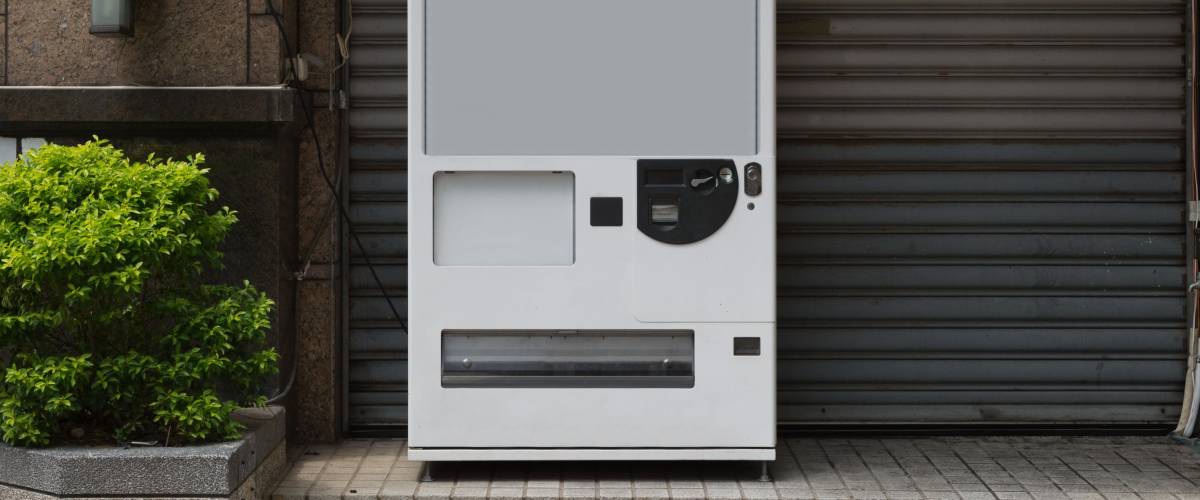
Vending machine food flopped.
Automats were cavernous spaces that gleamed with chrome, marble and mirrors. There was such a wide variety of foods that browsing the machines and steaming buffet tables took longer than eating the meal.
After you deposited your coins and plucked a sandwich or slice of pie from the little glass compartment, a pair of hands mysteriously appeared with its replacement.
Automats declined as more people moved to the suburbs and fast-food chains cropped up. The last Horn & Hardart, located in New York City, closed in 1991. It is represented in the Smithsonian Institution.
Advertisement
18. ESPN Zone

Too much entertainment and not enough good food.
To get a feel for the ambience, consider this: The 1996 prototype had 13,000 square feet of TV screens. The Disney-owned restaurants just got more outlandish from there.
Dining rooms were more like venues. They had two levels accommodating 550 guests who could choose from 200 TV screens. There were arcades and a 10,000-square-foot arena for playing games. There were even couch potato competitions.
No one remembers much about the food.
Disney started closing the restaurants in 2010. They may have been a casualty of the recession.
Advertisement
17. Chicken George
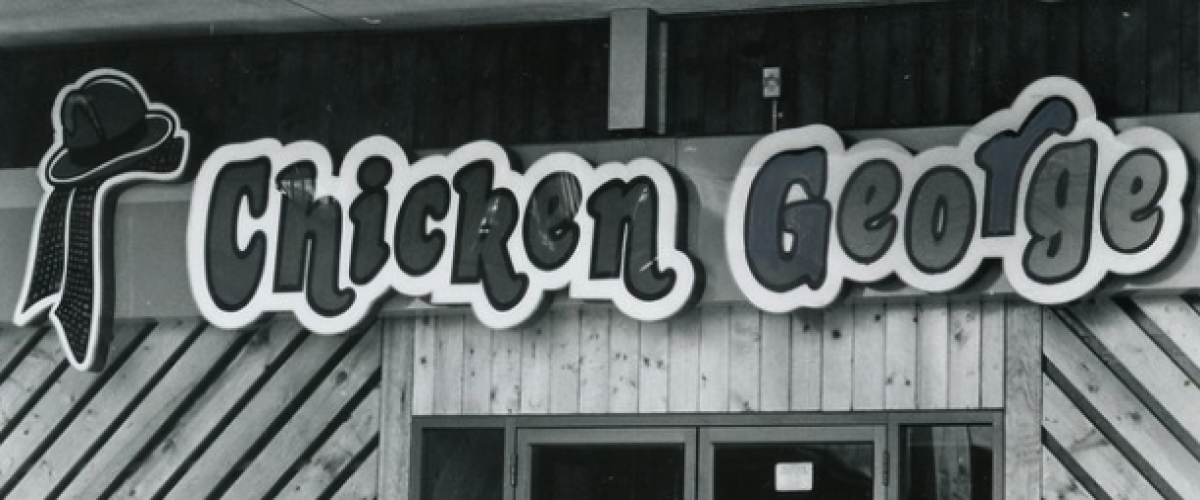
The soul food didn't have enough soul to last.
This Baltimore-based fast-food chain had six locations over about 12 years. It was the largest fast-food chain under African American ownership in the country at the time. It was sold twice before going bankrupt in 1991.
Founder Theodore Holmes spent a small fortune developing the menu and ensuring quality. Besides chicken, the chain served gumbo, fish and chips, greens, biscuits and other soul foods.
Chicken George was a character in the 1977 ABC miniseries “Roots,” which was based on a novel about slavery by Alex Haley.
Advertisement
16. Minnie Pearl’s Chicken

Trying to copy famous fried chicken failed.
In the late ’60s, John Jay Hooker, a Nashville attorney, envied the success of Kentucky Fried Chicken. He dialed up Minnie Pearl, whose claims to fame were the Grand Ole Opry, the TV show “Hee Haw,” and the price tag perpetually dangling from her hat.
Advertisement
The chicken box was dotted with yellow daisies and featured a picture of Cousin Minnie displaying a drumstick. By all accounts, the chicken was salty. It came with biscuits, honey packets and moist towelettes.
When Hooker and his partners were investigated for financial wrongdoing, the 567 restaurants started closing.
Advertisement
15. Wimpy Grills

Even Popeye couldn't save this sinking restaurant.
Wimpy was named after the character on “Popeye” who would “gladly pay you Tuesday for a hamburger today.” It was founded by Edward Gold in 1954, and there were 26 locations across six states. The menu pretty much stuck to burgers and breakfast items.
At one time, there were 1,500 locations worldwide. Incredibly, Gold had sold the rights for multinational use, but he had not sold the trademark for use in the U.S. before he died. The handful of remaining restaurants in America soon closed.
Advertisement
14. Bikinis Sports Bar & Grill

People didn't come here for the food.
Founder Doug Guller is best known for coining the term “breastaurant.”
He founded Bikinis in Austin in 2006, and the name says it all. Waitresses were clad in swimsuit tops, extremely brief shorts and cowgirl boots. The wings, tacos and burgers needn’t have been inspiring, and they weren’t.
Advertisement
On a 2014 episode of “Undercover Boss,” Guller infamously offered an attentive, upbeat waitress breast augmentation surgery at his expense. He later bought a Texas ghost town and named it Bikinis.
All 14 locations were shuttered by December 2018.
Advertisement
13. Don Pablo’s
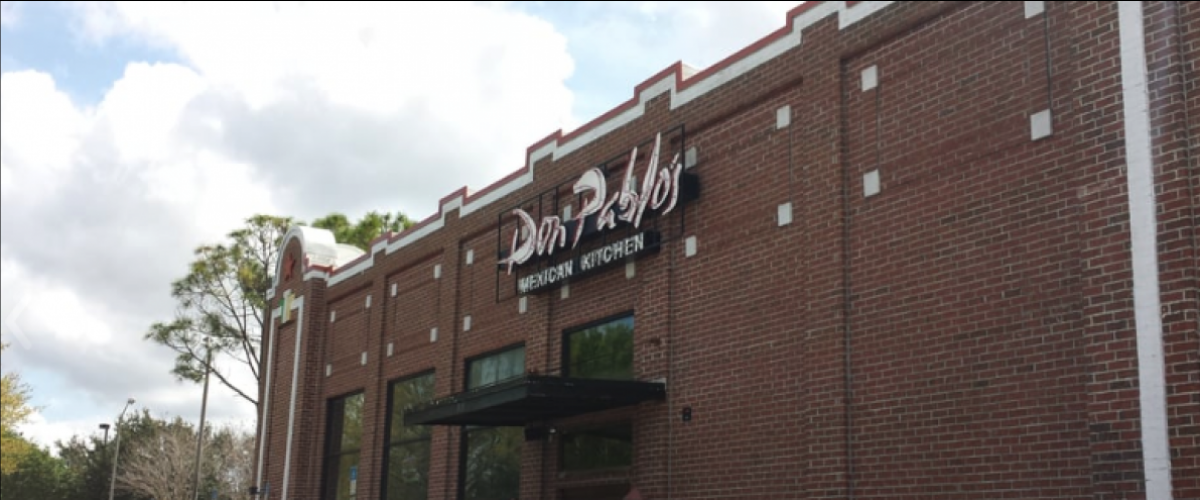
Bad luck and standard food didn't help this chain.
This full-service Tex-Mex chain had a pretty good run. It was founded in Lubbock, Texas, in 1985 and had 120 outposts in its heyday.
There was nothing wildly inventive on the menu, but the standard burritos, chimichangas, salsa and tortillas were made from scratch. Also, the restaurants were visually striking. You felt like you were in an old Mexican village on a movie studio lot.
Don Pablo’s may have just been unlucky. Ownership changed hands several times, and the companies that had big plans to expand it were prone to bankruptcy.
Advertisement
12. Royal Canadian Pancake House
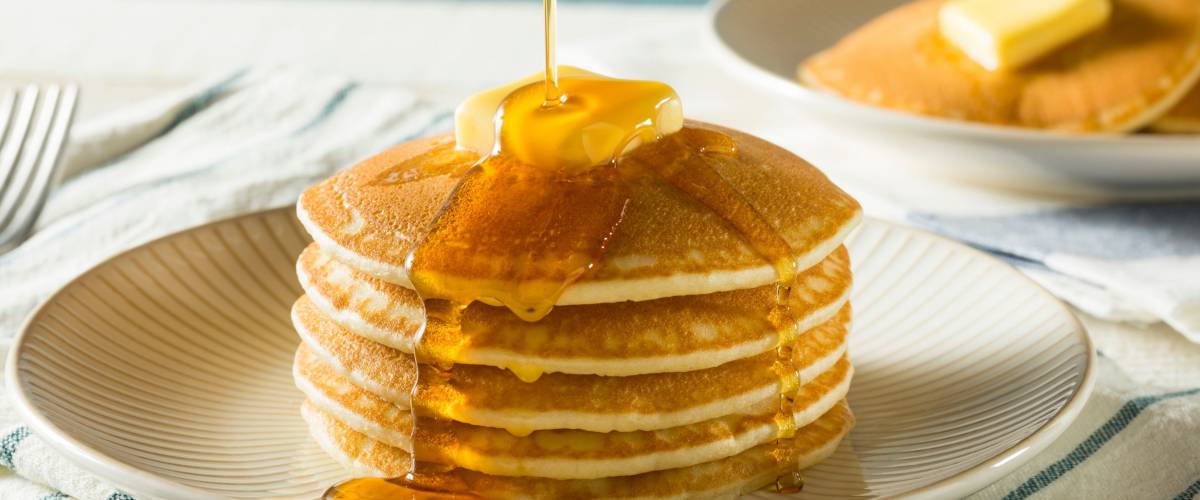
These flapjacks flopped.
This small New York City chain had a cult following.
Oddly, the menu had little to do with Canadian breakfast staples or methods of preparation. The chain was most famous for pancakes the size of large pizzas. In fact, you took leftovers home in a pizza box.
Other favorites included the Womlette, an omelet-topped waffle, and the Canadian Cracker, a waffle topped with layers of fried eggs and cheese.
Reportedly, the owner was indicted for ethical violations. The chain closed in 1998.
Advertisement
11. Henry’s Hamburgers

Another hamburger that didn't make it.
The original Henry’s is still in full swing and celebrating its 60th anniversary in Benton Harbor, Michigan, but the chain was coast to coast in the ’60s and ’70s.
You may remember the distinctive green-striped border and the name styled in cursive on the building. The neon sign was red and green, and the slogan was “Aren’t you hungry for a Henry’s?”
Henry’s was known for value. In the ’60s, it offered 10 burgers for a buck.
Mergers, ownership changes and failure to diversify the menu led to its decline.
Advertisement
10. White Tower Hamburgers

Too similar to another popular hamburger restaurant caused trouble.
White Tower was hoping people would think it was White Castle. It had similar white, fortress-like buildings, and it opened five years after White Castle in 1926. White Tower also had the Towerettes, a team of waitresses rather bizarrely dressed like nurses to project cleanliness.
Advertisement
White Castle sued the chain for unfair competition, hiring away one of its operators, and clandestinely taking photos of its new building designs. That was the beginning of the end.
White Tower peaked in the 1950s, but only the Toledo, Ohio, location remains open.
Advertisement
9. G.D. Ritzy’s Luxury Grill and Ice Creams

The 1920s couldn't keep up with the times.
Ritzy’s was decidedly cool.
The striking art deco logo harked to the Gatsby era. The hexagonal tile floor was somehow mesmerizing. The kids’ meals came in little cardboard convertibles.
The 120-location chain was known for perfectly seared burgers, shoestring fries and a signature PB&J with crushed peanuts and fresh strawberry slices inside. Nostalgic bloggers still rave about the chocolate shakes.
Many fans surmise that Ritzy’s expanded too rapidly. Stores began closing without explanation in the early ’90s. Three remain in Evansville, Indiana, though, and two brothers recently resurrected the concept in Clintonville, Ohio.
Advertisement
8. The Original House of Pies

Get your slice of pie and eat it too.
Al Lapin Jr., also known for International House of Pancakes and Orange Julius, opened in Houston in 1965.
The cottage-inspired white buildings were trimmed in pink, and the clever circular logo featured the pi symbol. The 60-pie selection included egg-cream custard, sweet potato and Texas pecan fudge. They were little slices of heaven.
Advertisement
In the ’70s, eight franchisees filed a class action lawsuit that was expensive to settle. The company folded in 1986, but four independently owned locations are still up and running in Houston.
Advertisement
7. Bresler’s Ice Cream

You can still scream for ice cream — just not at Bresler's
William J. Bresler survived the Depression by selling ice cream bars in Chicago’s Lincoln Park. He later bought a plant and sold ice cream wholesale.
In 1954, he capitalized on the drive-in restaurant craze by launching Henry’s Hamburgers. It was named after his brother. The Bresler’s 33 Flavors ice cream franchise kicked off in 1962.
Bresler died in 1985. When the chain was sold to Oberweis Dairy in 1987, it boasted 300 units. It was renamed Bresler’s Ice Cream, and frozen yogurt was added.
Advertisement
6. Boston Sea Party
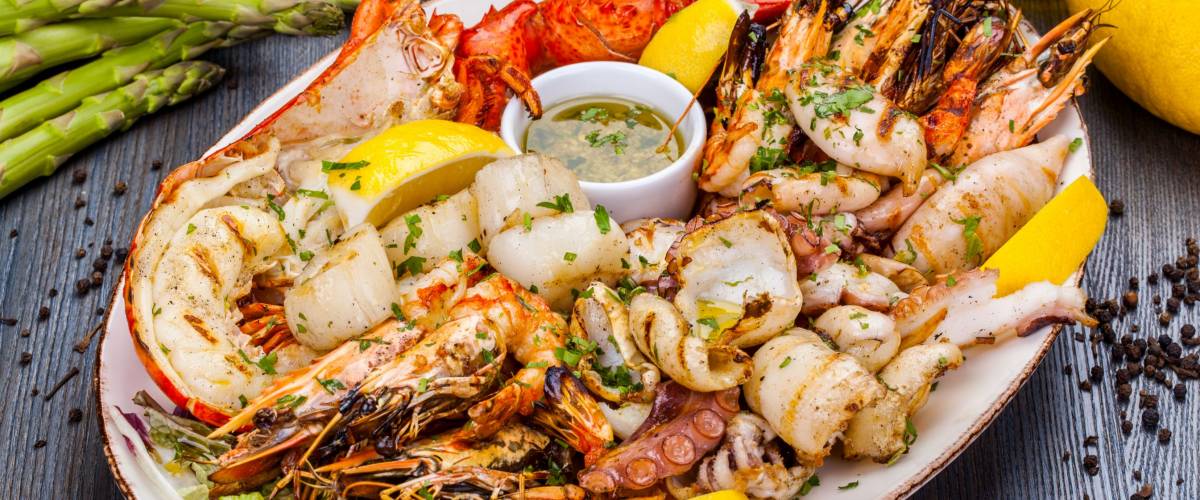
Seafood that didn't sit well.
There’s surprisingly little information on this U.S. Bicentennial-inspired chain.
International Multifoods started building the restaurants in major convention cities around 1976. The Houston Business Journal reported that customers lost Christmas party deposits when that location abruptly closed in 1994, but the restaurant in Atlanta survived until at least 2000.
Advertisement
You may recall brick floors, white linen and candlelight. The servers dressed like Betsy Ross or Paul Revere. Diners chose from live Maine lobster, filet mignon or fresh grilled fish and raided an all-you-can-eat buffet.
Advertisement
5. Koo Koo Roo

The sun won't rise again for this restaurant.
To their credit, the two Los Angeles restaurateurs who founded the chain in 1988 offered high-quality, low-calorie chicken when competitors were frying it. Koo Koo Roo, named after a rooster’s crow, seemed promising when it went public in the ’90s.
The skinless chicken was marinated in vegetable oil and broiled. Beans and Mediterranean-style salads were the only sides.
The high cost of rent and brutal competition in California were ultimately the kiss of death, and Koo Koo Roo filed for bankruptcy in 2003.
Advertisement
4. Bugaboo Creek Steakhouse

Say Bug-a-bye- to this chain.
If you ever ate in one of these, you remember it.
An animatronic talking pine tree named Timber recommended his favorite dishes. Creepy moose and buffalo heads suddenly started telling the history of Canada or singing old-time songs as you bit into your steak. A raccoon suddenly poked its head from a fake tree stump and eyeballed you.
Understandably, adult beverages sold briskly at Bugaboo Creek.
The chain went bankrupt in 2010, and all 30 locations had closed by 2016. Kids who have cellphones and iPads are increasingly hard to impress.
Advertisement
3. Pup ‘N’ Taco
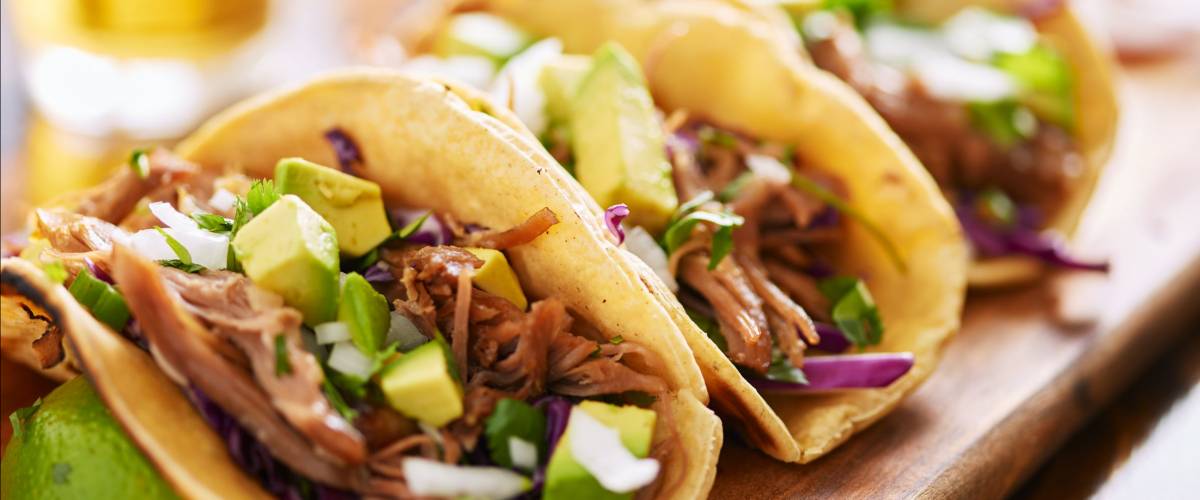
Hot dogs and tacos weren't a good mix.
First of all, the name is unfortunate and could easily be misconstrued. That may explain why it found its way into movies and Johnny Carson’s monologues.
Pup ‘N’ Taco opened in Long Beach, California, in 1956. It served traditional drive-in fare with tacos and pastrami sandwiches thrown in. It wasn’t officially branded until ’65, and the “pup” represented the wiener in a hot dog.
In 1984, Taco Bell snapped up 99 locations that were in prime real estate markets. The three remaining in Albuquerque, New Mexico, operated as Pop ‘N’ Taco until the 2010s.
Advertisement
2. Lum’s

This hot diggity dog restaurant went cold.
Two brothers upgraded a 16-seat Miami hot dog stand in 1956. They steeped the wieners in Budweiser and eventually expanded the menu.
There were 450 Lum’s in the U.S. from the ’50s to the ’70s. The restaurants featured a red-and-white striped awning and a decorative white iron railing.
Advertisement
The founders paid $60 million for Caesar’s Palace in Las Vegas in 1969 and sold Lum’s to John Y. Brown of Kentucky Fried Chicken fame in 1971. Despite the top-secret, 32-spice Ollieburger recipe that cost Brown $1 million, Lum’s failed under new ownership in 1982.
Advertisement
1. Farrell’s Ice Cream Parlour
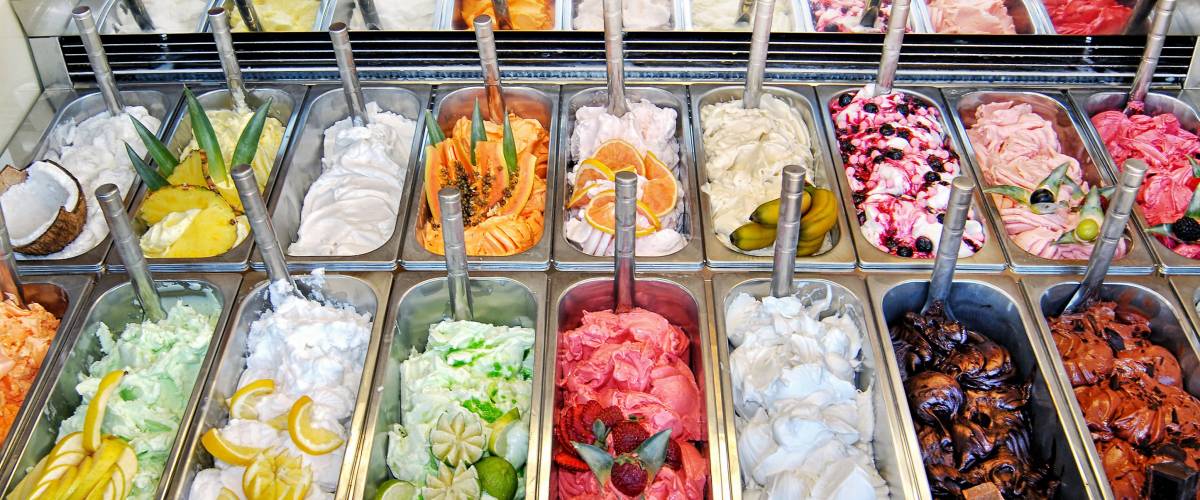
Say farewell to Farrell's.
The mountainous portions, singing waiters, and screeching train whistles are hard to forget. Hyperactive children never had it so good.
In 2016, entrepreneur Marcus Lemonis invested heavily in the struggling 53-year-old chain. Two top executives badly mismanaged his money, costing Lemonis about $1 million
The director of operations, however, was fiercely committed to the chain’s success. Lemonis rewarded the director with $50,000. The saga was documented on CNBC’s The Profit.
Alas, the only remaining Farrell’s closed in June 2019. Its dated theme and fattening fare spelled the end.
†Terms and Conditions apply.