

Advertisement
Advertisement
Unless it’s a public health hazard, you hate to see a restaurant go out of business. Even poorly rated eateries have their die-hard fans.
There are many more misses than hits in this industry, so it’s always sad when a longtime fixture locks up for the last time. Just watch the final episode of Cheers.
Here are some defunct chains that you either hated to lose or loved to hate.
Advertisement
Kenny Rogers Roasters

The first Kenny Rogers Roasters opened in Coral Springs, Florida in 1991 and specialized in rotisserie chicken and sides. It was brought to life by country musician Kenny Rogers and former KFC CEO John Y. Brown Jr.
Advertisement
Rogers had released his own cookbook while Brown had previously served as governor of the U.S. state of Kentucky. Together, the chicken duo grew the chain to over 350 restaurants worldwide.
In 1996, a Seinfeld episode aired called “The Chicken Roaster” in which a Kenny Rogers Roasters sets up across the street from Jerry and Kramer’s apartments.
Unfortunately, the exposure didn’t save them. Two years later, the company declared bankruptcy and was bought by Nathan’s Famous for $1.25 million.
Under Nathan’s Famous, the last U.S. location closed in 2011 — but that wasn’t the end Kenny Rogers Roasters worldwide.
Nathan's Famous had sold Kenny Rogers Roasters to a franchise owned by Berjaya Group of Malaysia in 2008. In Asia, the company continues to go strong, with hundreds of locations across the continent.
Advertisement
Jamie Oliver’s restaurant empire

Jamie Oliver’s U.K. restaurant group, consisting of Jamie’s Italian, Fifteen in London and Barbecoa steakhouse, collapsed in 2019.
The bitter end came after years of financial trouble, which saw 12 of Oliver’s then 37-strong group of restaurants close in 2018. Six restaurants had already closed the previous year.
Oliver initially gained his fame on his television show The Naked Chef in 1999.
In 2002, he launched Jamie Oliver’s Fifteen, a restaurant that offered experience to underprivileged workers in the culinary industry, which was the premise of a channel 4 docu-series called Jamie’s Kitchen.
Sadly, the enterprise proved to be more of a bite than Oliver could chew. In 2019, the restaurant group went into administration, a procedure similar to bankruptcy. 22 of 25 restaurants closed and 1,000 jobs were lost.
The Guardian reported that Oliver was “deeply saddened” by the blow to his restaurant empire. In a 2021 interview with Radio Times, Oliver admitted of the effort, “Everyone said ‘Don’t do it’, but it’s still the best thing I’ve ever done.”
Advertisement
Bikinis Sports Bar & Grill

Founder Doug Guller is best known for coining the term “breastaurant.”
He founded Bikinis in Austin in 2006, and the name says it all. Waitresses were clad in swimsuit tops, extremely brief shorts and cowgirl boots. The wings, tacos and burgers needn’t have been inspiring, and they weren’t.
Advertisement
On a 2014 episode of “Undercover Boss,” Guller infamously offered an attentive, upbeat waitress breast augmentation surgery at his expense. He later bought a Texas ghost town and named it Bikinis.
All 14 locations were shuttered by December 2018.
Advertisement
Steven Spielberg’s Dive

In 1994, Director Steven Spielberg partnered with film studio executive Jeffrey Katzenberg to open a nautical-themed restaurant called Dive.
The first restaurant, located in Los Angeles’ Century City neighborhood, was literally shaped like a giant yellow submarine. The interior was decorated with portholes that would fill with water every 45 minutes while lights flashed, to give diners the feeling that they were submerging.
According to Mashed, Spielberg invested $7 million into the initial venture, hoping to expand the concept to over 60 eateries worldwide. All they managed was a second location in Las Vegas.
As for the quality of food, the restaurant specialized in submarine sandwiches (of course), but a reviewer for The Los Angeles Times doesn’t remember the fare being anything special.
Mental Floss explained that themed restaurants make their money off of merchandise, which is why Dive had a built-in souvenir shop. In Dive’s first year of operation, the California location only made 15 percent of its gross sales on souvenirs.
Ultimately the LA Dive couldn’t stay afloat — it sank in 1999. The Vegas location held out for a little longer before nose diving in the early 2000s.
Advertisement
Howard Johnson’s

ce upon a time, those orange roofs were everywhere.
This iconic American food chain, known for its vibrant establishments, was founded in Massachusetts in 1935 by none other than Howard Deering Johnson. By the 1970s, the chain had around 1,000 restaurants strategically near highways in the U.S.
Nostalgic customers remember the chain for its road trip staples like hot dogs, fried clams and 28 varieties of ice cream.
Hotels under the Howard Johnson name operated under Wyndham Hotels & Resorts, and were franchised separately from the restaurant chain.
Advertisement
Johnson’s son, Howard B. Johnson, took over operations when his father passed and in 1979 he sold the company for $630 million. Slowly the number of restaurants began to decrease. By 2005, there were fewer than eight.
The last restaurant, in Lake George, New York, closed in 2022. Now only a plaque remains to commemorate the nostalgic chain, designating the site of the first franchise where Route 28 meets Route 6A in Orleans.
Advertisement
Pup ‘N’ Taco

First of all, the name is unfortunate and could easily be misconstrued. That may explain why it found its way into movies and Johnny Carson’s monologues.
Pup ‘N’ Taco opened in Long Beach, California, in 1956. It served traditional drive-in fare with tacos and pastrami sandwiches thrown in. It wasn’t officially branded until ’65, and the “pup” represented the wiener in a hot dog.
In 1984, Taco Bell snapped up 99 locations that were in prime real estate markets. The three remaining in Albuquerque, New Mexico, operated as Pop ‘N’ Taco until the 2010s.
Advertisement
Lum’s

Two brothers upgraded a 16-seat Miami hot dog stand in 1956. They steeped the wieners in Budweiser and eventually expanded the menu.
There were 450 Lum’s in the U.S. from the ’50s to the ’70s. The restaurants featured a red-and-white striped awning and a decorative white iron railing.
Advertisement
The founders paid $60 million for Caesar’s Palace in Las Vegas in 1969 and sold Lum’s to John Y. Brown of Kentucky Fried Chicken fame in 1971. Despite the top-secret, 32-spice Ollieburger recipe that cost Brown $1 million, Lum’s failed under new ownership in 1982.
Advertisement
Farrell’s Ice Cream Parlour

The mountainous portions, singing waiters, and screeching train whistles are hard to forget. Hyperactive children never had it so good.
In 2016, entrepreneur Marcus Lemonis invested heavily in the struggling 53-year-old chain. Two top executives badly mismanaged his money, costing Lemonis about $1 million.
The director of operations, however, was fiercely committed to the chain’s success. Lemonis rewarded the director with $50,000. The saga was documented on CNBC’s “The Profit.”
Alas, the only remaining Farrell’s closed in June 2019. Its dated theme and fattening fare spelled the end.
Advertisement
Burger Chef

Burger Chef was almost as big as McDonald’s back in the day. But, overeager expansion led to its demise.
Brothers Donald and Frank Thomas were merely trying to open a product demonstration shop. Their father manufactured then-novel restaurant equipment such as soft serve ice cream machines and flame broilers.
The popular demo shop spawned Burger Chef in 1958. It was the first restaurant to bundle a kid’s meal with a toy and to offer a burger-fries-drink combo.
On AMC’s Mad Men, Don Draper and associate Peggy Olson landed the Burger Chef account in 1969.
Advertisement
Sambo’s

Sam Battistone and Newell Bohnett never meant to stir controversy in 1957 when they christened their breakfast place with combined letters from their names. When they became aware of the children’s book “The Story of Little Black Sambo,” they took the jungle theme and ran with it.
By 1979, there were 1,100-plus locations.
The book’s title character was actually a dark-skinned Indian boy, but the name Sambo was considered pejorative to African Americans. It didn’t help that young Sambo, riding a tiger, was half naked.
Even remarkably fluffy pancakes and low prices couldn’t overcome widespread protest.
Advertisement
P. Diddy’s Justin’s

Sean “Diddy” Combs owned two restaurants in the 2000s called Justin’s, named in honor of his son. At the time, The New Yorker reported “circumstantial evidence” that suggested the rapper’s reasoning for opening was to have access to good soul food on demand.
Advertisement
See, the locations were in New York City and Atlanta — places where the rapper was known to party. According to an unknown New Yorker source, P. Diddy liked to frequent clubs nearby and was inclined to spontaneously close the restaurant early on the occasional Sunday night to host his friends.
First the New York location closed in 2007 under the guise of looking for a "larger space" that never materialized.
Then in 2012, the Atlanta restaurant closed citing a new excuse — impending renovations. Bad Boy Worldwide Entertainment Group, which was founded by Combs and owned the restaurant, later confirmed that it would not be reopening.
According to Insider, at the time of shutting down there were reports that the restaurant was “dangerous and hazardous,” a negative association that was worsened by a shooting in the parking lot.
Advertisement
Steve’s Ice Cream

Steve's paved the way for some of the most popular ice cream spots.
Steve Herrell forever changed dessert when he impulsively crumbled a Heath bar into his ice cream.
In 1973, he opened his first parlor in Somerville, Massachusetts. His idea inspired products like Dairy Queen’s Blizzard and eventually gave birth to modern gourmet ice creams. Ben & Jerry’s, Cold Stone Creamery, Amy’s Ice Creams and many other brands took their cue from Herrell.
He sold his chain in 1977. When prepackaged Steve’s Ice Cream showed up in grocery stores in the late ’80s, many franchised locations went out of business. The chain closed for good in the late ’90s.
Advertisement
Red Barn

The giant red barns were hard to miss, and the jingle was pretty catchy: “When the hungries hit, hit the Red Barn!”
The chain swelled to 400 locations in the ’60s and ’70s. In addition to hamburgers, Red Barn offered items that its direct competitors did not such as fried chicken, fish sandwiches and a salad bar. The salad bar was especially unusual at the time.
McDonald’s, Wendy’s and Burger King simply had deeper pockets, but Red Barn's popularity holds out to this day. There's a Red Barn Facebook group with more than 5,000 followers.
Advertisement
Carrols

Fans in the Northeast still mourn the loss of this local chain. About 150 restaurants sprang up throughout New York and Pennsylvania in the ’60s and ’70s.
Carrols was a significant step up from McDonald’s and Burger King, but by 1977, the small chain had been bullied out of existence by the big ones.
Grown men cry remembering the three-decker Club Burger with special Royal Sauce. There was a delectable fish sandwich and crispy fried chicken.
Attics in Syracuse, Rochester and Buffalo are bound to contain sets of Carrols’ collectible Looney Tunes glassware.
Advertisement
Naomi Campbell’s Fashion Café

In 1995, entrepreneurial brothers Francesco and Tommaso Buti opened a fashion themed cafe fronted by supermodels Elle Macpherson, Naomi Campbell, Claudia Schiffer and Christy Turlington.
It began in the Rockefeller Center, where the entryway to the flagship restaurant was shaped like a giant camera shutter, and the interior was filled with fashion memorabilia.
The grand opening attracted celebrities like Stephen Baldwin, Molly Ringwald and David Copperfield.
While there really was food (a seven-page-long menu featuring burgers and fries named after supermodels), the restaurant didn’t attract a lot of diners.
Advertisement
“The connection between models and food was not an obvious one, and ‘fashion’ was not a theme that made people feel hungry,” Matt Haig wrote in his 2011 book “Brand Failures.”
Surprisingly, it wasn’t the fashion, but unpaid bills that brought Fashion Café to its ultimate demise. When it became known that the Buti brothers faced $15 million in lawsuits regarding unpaid taxes, rent, utility fees and premiums on insurance, the restaurant chain closed for good.
Advertisement
Scholl’s Colonial Cafeteria
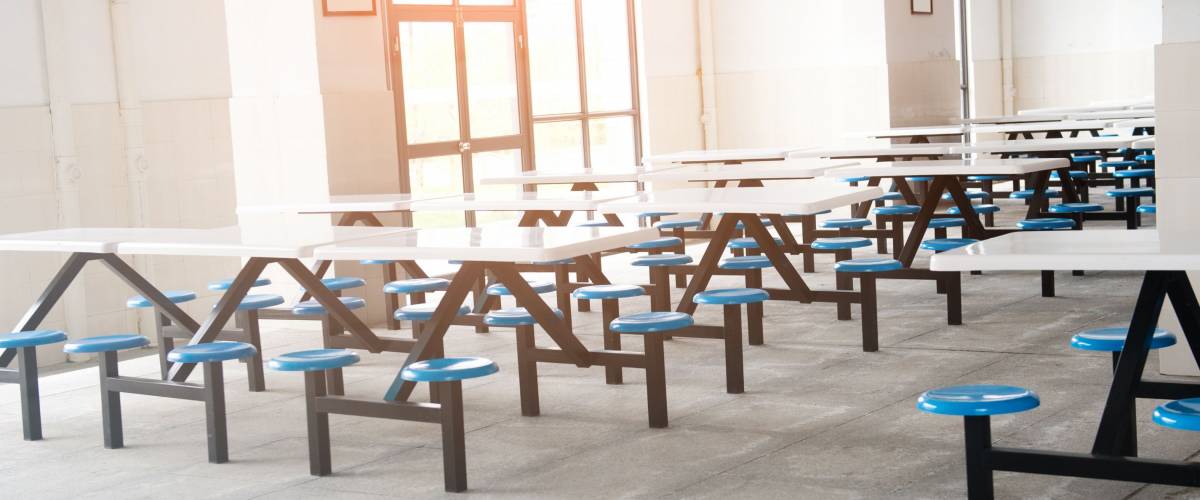
Ahead of its time, but couldn't keep up.
Scholl’s was wildly popular with government workers, tourists, and school kids and teachers on field trips. It wasn’t unusual to see charter buses lined up outside.
Scholl’s famously served customers of all races long before the civil rights movement. It employed immigrants right along with Scholl extended family members. Clergy or other officials of any religion ate for free, and the restaurants were very involved with feeding the homeless.
The last location closed in 2001 because of rising rent and a sharp drop in traffic after 9/11.
Advertisement
ShowBiz Pizza Place

It was universally adored by kids. It got on parents’ last nerve.
The concept was basically pizza served with noisy arcade games and rides on the side.
ShowBiz’s animatronic stage show, “Rock-afire Explosion,” featured Billy Bob, a hillbilly bear; a keyboard-banging gorilla; and a mouse that looked more like a rat dressed as a cheerleader.
The first location opened in Kansas City, Missouri, in 1980. Chuck E. Cheese took over and converted all the ShowBiz restaurants between 1988 and 1992.
Advertisement
Beefsteak Charlie’s
Oversized portions and free alcohol makes for little profit.
The original Beefsteak Charlie’s in New York City dated to 1910.
Restaurateur Larry Ellman like the name and appropriated it when he discovered that it wasn’t trademarked. He grew his own concept to 60 East Coast locations in the ’70s and ’80s before selling it in 1987. It went belly-up two years later.
How Beefsteak Charlie’s ever turned a profit is anyone’s guess. Bigger-than-your-head steaks went for rock-bottom prices. The salad bar, which included shrimp cocktail, was all-you-can-eat.
Not only that, but beer, wine and sangria were free and unlimited.
Advertisement
Horn & Hardart Automats
Vending machine food flopped.
Automats were cavernous spaces that gleamed with chrome, marble and mirrors. There was such a wide variety of foods that browsing the machines and steaming buffet tables took longer than eating the meal.
After you deposited your coins and plucked a sandwich or slice of pie from the little glass compartment, a pair of hands mysteriously appeared with its replacement.
Advertisement
Automats declined as more people moved to the suburbs and fast-food chains cropped up. The last Horn & Hardart, located in New York City, closed in 1991. It is represented in the Smithsonian Institution.
Advertisement
Ashton Kutcher’s Dolce

The Los Angeles-born Dolce restaurant group was responsible for several restaurants including the Italian ristorante and wine bar, Dolce, which opened in 2003. The LA location was joined by sister spots in Atlanta, Georgia and Alabama.
Dolce Group was created by former Big Brother star Mike ‘Boogie’ Malin and his friend Lonnie Moore, who partnered with celebrity investors Ashton Kutcher and That ‘70s Show co-stars Wilmer Valderrama and Danny Masterson.
The LA venue drew a celebrity crowd with its gourmet pasta dishes and polished interiors.
Previously, actor Ashton Kutcher had been largely involved in two restaurants under the Dolce Group, the Geisha House sushi bar in LA and a gourmet diner in Dubai called Ketchup, both since closed.
The original Dolce on Melrose Avenue in Los Angeles closed in 2009 and the sister locations followed suit. Unfortunately, it wasn’t a clean departure. The Alabama location closed in 2011, months after being notified its lease was being terminated for failure to pay its $20,000 per month rent.
In response to the news about the closure, Zomato reviewer Daniel. B, wrote, “Hopefully something worth eating will open in the now available space.”
Advertisement
Earl Abel’s

“Eating good food keeps you able. Eating here keeps Earl Abel.” That’s one of the famous Abel-isms for the former San Antonio chain restaurant, Earl Abel's. The spot was founded by Earl Abel in 1993.
Advertisement
A theater organist, Abel opened his first namesake restaurant after the Great Depression put him out of work. Though he opened a number of other locations, one remained successful. It remained
located at Broadway and Hidebrand from 1940 until 2005.
Earl Abel’s was known for comfort food, notably their famous fried chicken and baked-from-scratch pies.
In 2005, Earl's son, Jerry, decided to sell the property in favor of building a 25-story condo tower.
Earl Abel's re-opened under new ownership in 2006 and remains a stand alone San Antonio staple today.
Advertisement
Chicken George

This Baltimore-based fast-food chain had six locations over about 12 years. It was the largest fast-food chain under African American ownership in the country at the time. It was sold twice before going bankrupt in 1991.
Founder Theodore Holmes spent a small fortune developing the menu and ensuring quality. Besides chicken, the chain served gumbo, fish and chips, greens, biscuits and other soul foods.
Chicken George was a character in the 1977 ABC miniseries “Roots,” which was based on a novel about slavery by Alex Haley.
Advertisement
Minnie Pearl’s Chicken

Trying to copy famous fried chicken failed.
In the late ’60s, John Jay Hooker, a Nashville attorney, envied the success of Kentucky Fried Chicken. He dialed up Minnie Pearl, whose claims to fame were the Grand Ole Opry, the TV show “Hee Haw,” and the price tag perpetually dangling from her hat.
Advertisement
The chicken box was dotted with yellow daisies and featured a picture of Cousin Minnie displaying a drumstick. By all accounts, the chicken was salty. It came with biscuits, honey packets and moist towelettes.
When Hooker and his partners were investigated for financial wrongdoing, the 567 restaurants started closing.
Advertisement
Eva Longoria’s Beso

Former Desperate Housewives star Eva Longoria is behind a couple of failed restaurant ventures including her drama-ridden steakhouse Beso. The chain was hit with two separate lawsuits in its day.
Longoria partnered with Chef Todd English to open the first Beso in Hollywood in 2008. The next year, they opened a second Beso restaurant and nightclub on the Las Vegas Strip.
In 2011, Beso Last Vegas filed for bankruptcy. The Las Vegas Sun reported that investors filed a lawsuit against Beso, alleging they provided the company a $280,000 loan to help fund construction but were later pushed out of the company without payment.
Four years later, Beso Hollywood also closed. This time, the news came following a lawsuit over an alleged assault that took place there during a premiere after-party for the movie Lowriders, which Longoria starred in.
Advertisement
Wimpy Grills

Even Popeye couldn't save this sinking restaurant.
Wimpy was named after the character on “Popeye” who would “gladly pay you Tuesday for a hamburger today.” It was founded by Edward Gold in 1954, and there were 26 locations across six states. The menu pretty much stuck to burgers and breakfast items.
Advertisement
At one time, there were 1,500 locations worldwide. Incredibly, Gold had sold the rights for multinational use, but he had not sold the trademark for use in the U.S. before he died. The handful of remaining restaurants in America soon closed.
Advertisement
Don Pablo’s
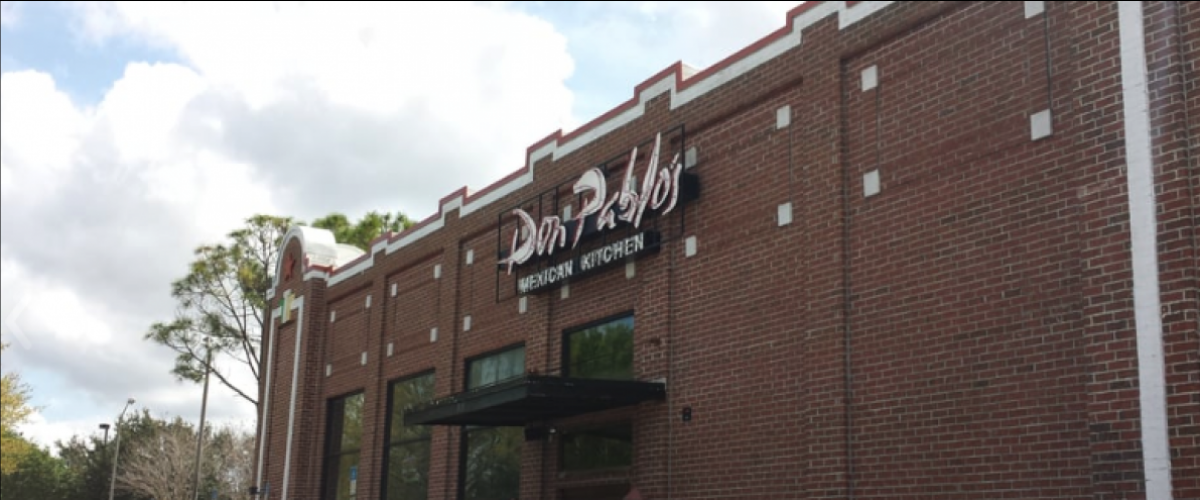
Bad luck and standard food didn't help this chain.
This full-service Tex-Mex chain had a pretty good run. It was founded in Lubbock, Texas, in 1985 and had 120 outposts in its heyday.
There was nothing wildly inventive on the menu, but the standard burritos, chimichangas, salsa and tortillas were made from scratch. Also, the restaurants were visually striking. You felt like you were in an old Mexican village on a movie studio lot.
Don Pablo’s may have just been unlucky. Ownership changed hands several times, and the companies that had big plans to expand it were prone to bankruptcy.
Advertisement
Jennifer Lopez’s Madre’s

In 2002, triple threat J.Lo proved that there isn’t anything she can’t do when she opened her Latin American restaurant “Madre’s” in Pasadena, California.
The restaurant, whose name translates to “Mother’s” in Spanish (inspired by the cooking of Lopez’s mother herself), was known for its comforting dishes like empanadas and ropa vieja, a plate of shredded beef and vegetables.
The high-profile opening attracted celebrity guests like Nicole Kidman, Carmen Electra and Ben Affleck, who Lopez was in a relationship with at the time (before their first engagement).
In 2005, Madre’s faced accusations from animal rights activists who positioned themselves outside the restaurant to protest against J.Lo’s fashion line.
Advertisement
More drama ensued when Lopez hired (and fired) her ex-husband, Cuban actor Ojani Noa, to manage the restaurant. After being fired for the second time, Noa sued for breach of contract. He claimed that J.Lo had used him to get the restaurant up and running, leaving him jobless when she no longer required him.
TMZ reported the end of Madre’s in 2008, publishing a photo showing a note posted to the restaurant’s door that said it would be closed until “further notice.” It never did reopen.
Advertisement
Royal Canadian Pancake House
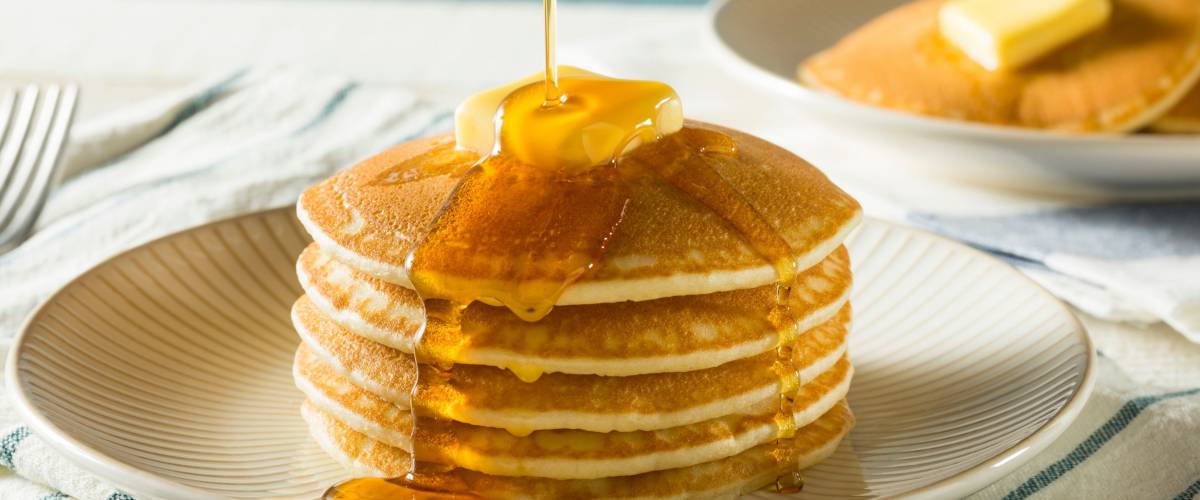
These flapjacks flopped.
This small New York City chain had a cult following.
Oddly, the menu had little to do with Canadian breakfast staples or methods of preparation. The chain was most famous for pancakes the size of large pizzas. In fact, you took leftovers home in a pizza box.
Other favorites included the Womlette, an omelet-topped waffle, and the Canadian Cracker, a waffle topped with layers of fried eggs and cheese.
Reportedly, the owner was indicted for ethical violations. The chain closed in 1998.
Advertisement
Kevin Costner’s The Clubhouse

Oscar-winning actor Kevin Costner partnered with fellow celebrities — actor Robert Wagner, and golf pros Jack Nicklaus and Fred Couples — to open a golf-themed restaurant, The Clubhouse.
Costner told The Los Angeles Times that he did not want The Clubhouse to be like other celebrity-themed restaurants.
Advertisement
He wanted to provide the public with the rare experience of a private golf club, where they could relax in a luxurious environment while enjoying quality food. Guests were even referred to as “members.”
The first restaurant opened in 1997 in a Chicago suburb, followed by a location at South Coast Plaza mall in California and another in Atlanta. The plan was to expand to 25 restaurants across the U.S.
The Clubhouse is remembered for its large portions of American fare like chicken pot pie, and a meatloaf & mashed potato "sundae" piled into a high tower.
The restaurant also had a "pro shop" that sold exclusive Clubhouse brands, as well as co-branded merchandise from Nike, Nicklaus, Ashworth, Bobby Jones and Titleist.
Sadly, this golf lover’s paradise closed forever in 2009.
Advertisement
Henry’s Hamburgers

Another hamburger that didn't make it.
The original Henry’s is still in full swing and celebrating its 60th anniversary in Benton Harbor, Michigan, but the chain was coast to coast in the ’60s and ’70s.
You may remember the distinctive green-striped border and the name styled in cursive on the building. The neon sign was red and green, and the slogan was “Aren’t you hungry for a Henry’s?”
Henry’s was known for value. In the ’60s, it offered 10 burgers for a buck.
Mergers, ownership changes and failure to diversify the menu led to its decline.
Advertisement
White Tower Hamburgers

White Tower was hoping people would think it was White Castle. It had similar white, fortress-like buildings, and it opened five years after White Castle in 1926. White Tower also had the Towerettes, a team of waitresses rather bizarrely dressed like nurses to project cleanliness.
Advertisement
White Castle sued the chain for unfair competition, hiring away one of its operators, and clandestinely taking photos of its new building designs. That was the beginning of the end.
White Tower peaked in the 1950s, but only the Toledo, Ohio, location remains open.
Advertisement
Cuppy’s Coffee

Cuppy's Coffee ate a lot of money and didn’t spit it back out.
Originally called Java Jo’z, it was created in 2006 by Row Snowden — who told interested franchisees that he would refund their licensing fees should they not establish the financing to open their store. He didn't return their money and instead went to prison for tax fraud.
Several attempts were made to resurrect the Cuppy's money hole, but none succeeded. In 2007, CEO Dale Nabors was arrested after two women invested several hundred thousand dollars in a franchise location that was never built.
Today, there is one Cuppy’s Coffee remaining, located in Fort Collins, Colorado.
Advertisement
G.D. Ritzy’s Luxury Grill and Ice Creams

Ritzy’s was decidedly cool.
The striking art deco logo harked to the Gatsby era. The hexagonal tile floor was somehow mesmerizing. The kids’ meals came in little cardboard convertibles.
The 120-location chain was known for perfectly seared burgers, shoestring fries and a signature PB&J with crushed peanuts and fresh strawberry slices inside. Nostalgic bloggers still rave about the chocolate shakes.
Advertisement
Many fans surmise that Ritzy’s expanded too rapidly. Stores began closing without explanation in the early ’90s. Three remain in Evansville, Indiana, though, and two brothers recently resurrected the concept in Clintonville, Ohio.
Advertisement
Baldwins’ Society 5

Sibling actors Stephen and William Baldwin once owned a restaurant “chain” — just not in the literal sense. Rather than owning multiple restaurants at different locations, the Baldwins owned a series of restaurants … in the same spot.
The seemingly cursed spot was in New York’s Manhattan, on Fifth Avenue, between 12th and 13th streets. In 1999, the Baldwin brothers opened their first restaurant there, a Mediterranean spot called Alaia, named after Stephen’s daughter.
When Alaia failed to succeed, a new restaurant was opened in the same location with a new name and concept: Luahn, a sea-themed lounge.
Luahn failed too, and the restaurant was changed again to Society 5 in the early 2000s. Stephen Baldwin cut ties with the venue, and it closed for good shortly afterwards.
According to the Observer, the premises on Fifth Avenue had something of a jinxed past even before the Baldwins moved in. Before Alaia opened, there was another restaurant called The Markham, and another called The Mirezi.
Advertisement
The Original House of Pies

Get your slice of pie and eat it too.
Al Lapin Jr., also known for International House of Pancakes and Orange Julius, opened in Houston in 1965.
The cottage-inspired white buildings were trimmed in pink, and the clever circular logo featured the pi symbol. The 60-pie selection included egg-cream custard, sweet potato and Texas pecan fudge. They were little slices of heaven.
Advertisement
In the ’70s, eight franchisees filed a class action lawsuit that was expensive to settle. The company folded in 1986, but four independently owned locations are still up and running in Houston.
Advertisement
Bresler’s Ice Cream

You can still scream for ice cream — just not at Bresler's
William J. Bresler survived the Depression by selling ice cream bars in Chicago’s Lincoln Park. He later bought a plant and sold ice cream wholesale.
In 1954, he capitalized on the drive-in restaurant craze by launching Henry’s Hamburgers. It was named after his brother. The Bresler’s 33 Flavors ice cream franchise kicked off in 1962.
Bresler died in 1985. When the chain was sold to Oberweis Dairy in 1987, it boasted 300 units. It was renamed Bresler’s Ice Cream, and frozen yogurt was added.
Advertisement
Boston Sea Party
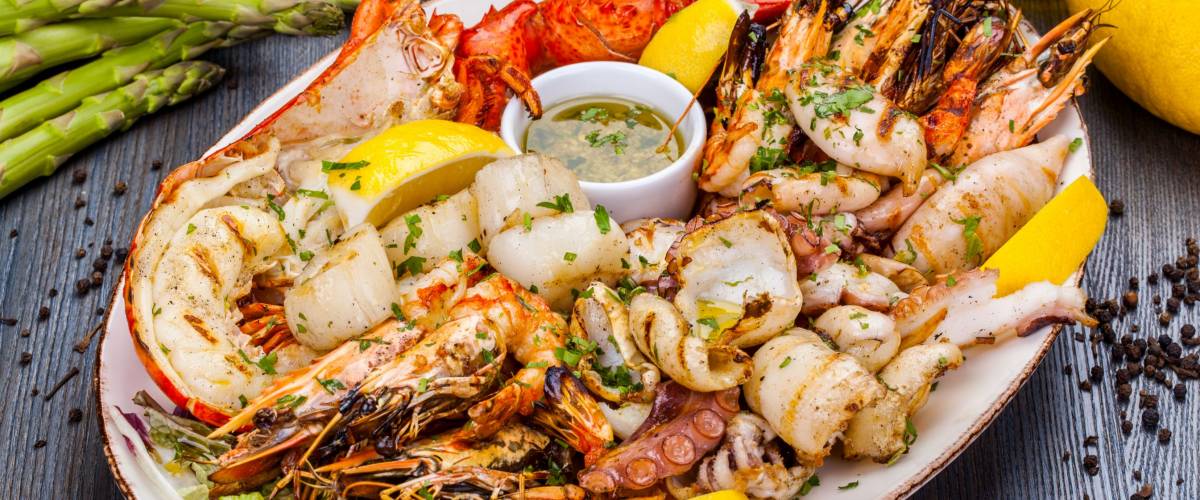
Seafood that didn't sit well.
There’s surprisingly little information on this U.S. Bicentennial-inspired chain.
International Multifoods started building the restaurants in major convention cities around 1976. The Houston Business Journal reported that customers lost Christmas party deposits when that location abruptly closed in 1994, but the restaurant in Atlanta survived until at least 2000.
Advertisement
You may recall brick floors, white linen and candlelight. The servers dressed like Betsy Ross or Paul Revere. Diners chose from live Maine lobster, filet mignon or fresh grilled fish and raided an all-you-can-eat buffet.
Advertisement
Redneck Heaven

The extra rowdy “breastaurant” Redneck Heaven ceased to exist in the last few years, but it’s remembered for its shenanigans.
After the chain hosted “Anything But Clothes” events, in which the servers adorned nothing but pasties and body paint, the town of Lewisville, Texas actually decided to change their nudity laws.
Servers were encouraged to engage in behaviors like line dancing and even spanking. In 2013, MTV ran a reality TV show about a number of Redneck Heaven waitresses called Big Tips Texas.
Diners were just as riled up by the food and drink. There was the Bubba’s “Tower in an Hour” Burger challenge – three pounds of beef that was free if the patron could eat it within the hour.
And then there was the “Minnow Bomb” in which a customer consumed a shot of alcohol with a live minnow in it. PETA, unsurprisingly, received multiple complaints about that one.
Advertisement
Hot Sam Pretzels

Hot Sam Pretzels was an American restaurant chain selling, you guessed it … soft pretzels.
Hot Sam began in Detroit in 1967 and expanded to California, Arizona and Colorado with hopes to reach Hawaii and even Japan.
Company president Randolph Herman told the Los Angeles Times in 1985 that the “pretzel purist” believed the only way to eat a soft pretzel is with hot mustard.
Hot Sam Pretzels offered six elite toppings, however, including cheddar cheese, nacho cheese, cream cheese, pizza, fudge and strawberries.
Advertisement
In 1985, there were over 175 Hot Sam stores across the U.S., many of them in mall food courts, raking in $30-$50 million. A decade later, the chain was purchased by Mrs. Fields, and was merged with another pretzel chain — Pretzel Time.
Now one of the only places to relive the Hot Sam experience is in season three of the Netflix series Stranger Things, where the iconic pretzel joint was recreated in the mall food court.
Advertisement
Flavor Flav's Fried Chicken

American rapper and reality television star Flavor Flav partnered with Iowa restaurateur Nick Climino in 2011 to open Flav’s Fried Chicken. They were optimistic that their restaurant chain would grow to surpass KFC in fried chicken success.
Sadly, that was not the fate for Flav’s. Three locations opened, and like dominoes, collapsed one by one.
According to The Independent, the first Flav’s Fried Chicken, located in Clinton, Iowa, closed after just four months following a slew of accusations that included bounced checks, employees not being paid and an expired potato salad.
The business partners blamed each other for the restaurant’s faults and Flavor Flav pulled out of the chain, only to venture on his own in 2012 — Flavor Flav's House of Flavor in Las Vegas — which lasted only six months.
The restaurant was evicted from its third and final location in Michigan. TMZ reported that this was the second attempt at eviction since the landlord had claimed that Flav's team owned over $20,000 in unpaid rent.
Advertisement
Koo Koo Roo

To their credit, the two Los Angeles restaurateurs who founded the chain in 1988 offered high-quality, low-calorie chicken when competitors were frying it. Koo Koo Roo, named after a rooster’s crow, seemed promising when it went public in the ’90s.
The skinless chicken was marinated in vegetable oil and broiled. Beans and Mediterranean-style salads were the only sides.
The high cost of rent and brutal competition in California were ultimately the kiss of death, and Koo Koo Roo filed for bankruptcy in 2003.
Advertisement
Bugaboo Creek Steakhouse

Say Bug-a-bye- to this chain.
If you ever ate in one of these, you remember it.
An animatronic talking pine tree named Timber recommended his favorite dishes. Creepy moose and buffalo heads suddenly started telling the history of Canada or singing old-time songs as you bit into your steak. A raccoon suddenly poked its head from a fake tree stump and eyeballed you.
Understandably, adult beverages sold briskly at Bugaboo Creek.
The chain went bankrupt in 2010, and all 30 locations had closed by 2016. Kids who have cellphones and iPads are increasingly hard to impress.
Advertisement
Gloria and Emilio Estefan’s Larios on the Beach

One of Hollywood’s favorite power couples, Gloria and Emilio Estefan, share plenty of talents between them. And though they have had many successes in their nearly 50 years together, Larios on the Beach is no longer one of them.
Advertisement
Acting, singing, song-writing, film-making, production, authorship, and… restauranteurship? The Estefans wanted to bring authentic Cuban food to Miami in honor of Gloria’s grandmother Consuela, a talented cook who had dreamed of opening her own restaurant.
In 1992, they opened their flagship restaurant, Larios on the Beach. It was followed by five other restaurants in Florida, opened under the name Bongo’s Cuban Cafe.
Sadly, Larios on the Beach closed permanently in the summer of 2002, preceded by the loss of multiple Bongo’s Cafe locations.
With the venture behind them, the Estefans made way for Bongo’s spiritual successor, Estefan Kitchen at Margaritaville Resort, Orlando.
Advertisement
Eatza Pizza

Eatza Pizza was a buffet-style restaurant chain first founded in Phoenix, Arizona in 1997. At its peak, it held over 100 locations in the country.
The menu was known for its variety and featured 18 different pizzas, as well as a salad bar, desserts, fried chicken and macaroni and cheese. Each restaurant also had an arcade area for family and children.
In the 2000s, the company was sold twice. After the first sale, the chain planned an aggressive expansion. But shortly after, several of the restaurants either closed or were evicted from their Valley stores. Then the company was sold again, this time to International Franchise Associates.
The number of franchise stores quickly dropped from over 100 to fewer than 10. In 2008, International Franchise Associates filed for Chapter 7 bankruptcy.
Franchise owners Terrance and Yvonne Cornelis filed a legal complaint against INF after the two had allegedly invested $1.1 million to open an Eatza Pizza restaurant in 2006, prior to the filing for bankruptcy.
They felt that “IFA was an undercapitalized shell corporation formed to avoid its or [Eatza Pizza’s] contractual obligations.”
Advertisement
Earl Abel’s
“Eating good food keeps you able. Eating here keeps Earl Abel.” That’s one of the famous Abel-isms of the former San Antonio chain restaurant that Earl Abel himself founded in 1993.
Advertisement
A theater organist, Abel opened his first namesake restaurant after the Great Depression put him out of work. Though he did open a number of other locations, only one sustained. It remained located at Broadway and Hidebrand from 1940 until 2005, the sole Earl Abel’s at the time of its closing.
Earl Abel’s was known for comfort food, notably their famous fried chicken and baked-from-scratch pies.
In 2005, Earl's son, Jerry, had finally grown tired of managing the business he grew up with, and decided to sell the property in favor of building a 25-storey condo tower.
Hazel Wheeler, 83, told the San Antonio Express-News at the time, "I've been coming here so long, I don't recall just how long it's been my favorite restaurant."
Fortunately for her, Earl Abel's re-opened under new ownership in 2006 and remains a stand-alone San Antonio staple today.
Advertisement
Steak and Ale

A good combination that wasn't meant to be.
This Tudor-style steakhouse chain was founded by restaurant magnate Norman Brinker in Dallas in 1966. It is best remembered for its cozy, dimly lit rooms; stuffed armchairs; bookshelves; unlimited salad bar; and affordable steaks and prime rib.
In markets that didn’t allow references to alcohol in restaurant names, it was called Jolly Ox.
Steak and Ale was sold several times and went bankrupt in 2008. Legendary Restaurant Brands, the current owner, promised a comeback in 2016. We’re waiting.
Advertisement
Official All-Star Café

Even the celebrities couldn't save this cafe.
This chain had only 10 units, but they were in glamorous locations like Las Vegas, Cancun and Walt Disney World. The star-studded list of investors included the likes of Shaquille O’Neal, Tiger Woods and Monica Seles. Cindy Crawford and Whoopi Goldberg attended the 1995 Manhattan opening.
Owner Planet Hollywood had big plans for the restaurant-sports memorabilia concept. The glitz reportedly cost $15 million per restaurant.
Mediocre, astronomically priced bar food will get you nowhere, and the novelty quickly wore off. The last remaining location closed in 2007.
Advertisement
Gino D’Acampo’s My Pasta Bar

Remember celebrity chef Gino D’Acampo? In 2009, he won the ninth series of the survival reality TV series I'm a Celebrity... Get Me Out of Here! He gained his fame making regular chef appearances on the talk show This Morning.
Keeping the TV game strong, he went on to present cooking programs including, Let's Do Lunch, There's No Taste Like Home and Gino's Italian Escape.
Of course, D’Acampo had a successful food run on the ground too. The TV chef owns his own Gino D'Acampo restaurant chain. So when he kissed goodbye to his other chain, My Pasta Bar, it wasn’t a devastating loss.
“We tried it for 10 years and then Covid came around and I thought, 'You know what? We have to close.'” D’Acampo told Hello Magazine.
D’Acampo liquidated the chain in 2022 because of amassed debt. The Daily Mail reports that My Pasta Bar owed £4,939,332 to 49 creditors, £113,975 to HMRC and £37,887 in staff wages at the time of closure.
Advertisement
ESPN Zone

Too much entertainment and not enough good food.
To get a feel for the ambience, consider this: The 1996 prototype had 13,000 square feet of TV screens. The Disney-owned restaurants just got more outlandish from there.
Dining rooms were more like venues. They had two levels accommodating 550 guests who could choose from 200 TV screens. There were arcades and a 10,000-square-foot arena for playing games. There were even couch potato competitions.
No one remembers much about the food.
Disney started closing the restaurants in 2010. They may have been a casualty of the recession.
Advertisement
Weenie Beenie

Now reduced to one location in Arlington, Virginia — the same place it was founded — Weenie Beenie was formerly a chain of fast food restaurants.
They’re known for their pulled pork sandwiches, hot dogs, soft drinks and most famously, half-smokes — a sort of amplified hot dog that is larger, spicier and features more deluxe toppings.
This classic hot dog stand remains popular despite only having one remaining location. Yelp user Austin G. wrote, “Weenie Beenie is one of the few places in the area where you can get a filling lunch for under $10. Open every day except Sunday … They sell burgers, hot dogs, half-smokes, BBQ and more,” alongside a five star rating.
If the restaurant’s silly name sticks out to you but you can’t quite put a finger on why, it might just be because of the song of the same name by rock band The Foo Fighters. Dave Grohl, the lead singer of the band, formerly lived in Virginia and the title of this 1995 release was indeed inspired by the hot dog slinging restaurant itself.
Advertisement
Tom’s BaoBao

Opened in 2016 in Harvard Square in Cambridge, Massachusetts, Tom’s BaoBao was the first international location of the Chinese fast-casual restaurant GanQiShi. Shortly after its Harvard location opened, a second was opened in Providence, Rhode Island.
As the name indicates, the restaurant specialized in handmade bao — a type of yeast-based bun offered with many fillings and preparations.
While the antecedent restaurant, GanQiShi, still has locations in China, Tom’s BaoBao didn’t fare quite as well in America.
The Providence location was shuttered first, in 2019, not generating enough foot traffic for it to be feasible.
In early 2020, the Harvard location of Tom’s BaoBao shut down as well. Restaurant COO Rosamund Lu said the restaurant closed for a combination of personal and business reasons.
Advertisement
Lu shared: “It's just a difficult time and place to run a small restaurant. Brick and mortar stores, especially small businesses and restaurants and retailers particularly, are under a lot of pressure for very high rent and high personnel costs.”
Advertisement
Dee’s Drive-In

The brains behind Dee’s Drive-In chain and Dee's Family Restaurant, Dee F. Anderson, was known as Utah’s “hamburger king.”
In 1932, he opened the first Dee's Restaurant in Salt Lake City, delaying rent the month he opened to buy meat, cheese, pickles, buns and soft drinks.
After visiting a drive-in restaurant in Long Beach, Anderson knew the fate of his hamburger was to go mobile too. So, he opened his first Dee's Drive-In in 1954.
By the 1960s, the hamburger king had a total of 53 hamburger outlets and a $20 million-a-year business.
Unfortunately, heart issues forced Anderson to set aside some of his hamburgerly duties in 1975. By the end of the decade, he’d sold the drive-ins to Hardee's and directed his energy to the remaining Dee’s Family Restaurants.
Though Walgreens purchased a number of the restaurant spaces, a few Dee’s remain in Utah today.
Advertisement
Toddle House

Toddle House was a quick-service restaurant chain specializing in breakfast that also offered lunch and dinner amidst its 24/7 schedule.
This classic, diner-style spot was started by accident — a lumberman from Houston, Texas named J.C Stedman had some leftover supplies and began making little cottages for local businesses to use as their offices. When someone suggested he turn one into a diner, he ran with the idea.
Taking the format of tiny cottages, the name “Toddle House” came to be as these easily transportable buildings toddled on to their destination.
In 1961, Toddle House had more than 200 locations and was bought out by Dobbs House, another diner chain, for $18 million.
Eventually, navigating the existence of both of these diners became confusing, so Toddle House locations were either turned into Dobbs Houses or shut down for good.
The restaurant’s legacy lives on with recipes for its infamous chocolate cream pie still scattered around the internet.
Advertisement
Deco Refreshments

Deco Refreshments, Inc. was a restaurant chain in Buffalo, New York that started with an 18-year-old boy selling hot dogs and soda out of a wagon.
You heard that right, teenage Gregory Deck hauled a wagon to his local grocer for charcoal, some pickles and mustard, to the butcher for hot dogs and to the bakery for rolls, then parked himself near the trolley line and began selling hot dogs for 5 cents each.
After only three years, Deck had not only set up permanent hot dog stands throughout the city, but had also opened the first enclosed Deco Restaurant in downtown Buffalo.
In the following decades, Deck grew the business to include 50 restaurants in Buffalo alone. Sales thrived throughout the Depression because of the low cost of food, up until after the second war.
In 1941, at the age of 38, Deck felt he’d given enough and retired from the business. He turned operations over to his brother and his son.
Twenty years later, the chain was sold to a parent company, and though Gregory Deck Jr. fought for improvements, the company wasn’t interested in the effort.
When a major competitor started opening locations in new strip malls and Deco remained in old neighborhoods, the chain could no longer compete. The last Deco Restaurant closed in 1979.
Advertisement
Yogi Bear’s Honey Fried Chicken

Hey, hey, hey, it’s honey fried chicken!
Yogi Bear’s Honey Fried Chicken was an American fast food chain inspired by the classic cartoon character. Today, only one location of this chain remains in Hartsville, South Carolina.
The chain was developed in 1968, exactly 10 years after Yogi Bear made his first on-screen appearance.
Advertisement
With menu items such as pork chops, salads and an assortment of fried chicken options, the restaurant tied right into the camping-core, picnic-in-the-forest vibe of Yogi Bear’s character and brand.
The signature component of this chain that set it apart from other fried chicken joints was how they added sweet to salty with the infusion of honey in their chicken recipe.
When restaurant company Hardee’s purchased the franchise for $1 million, it was reportedly the intellectual property of the honey concoction they were truly after.
This resulted in the Yogi Bear branded restaurants slowly shutting down as new corporate management put their focus elsewhere.
Advertisement
Fresh Choice

Fresh Choice was a chain of buffet-style restaurants that boasted healthier alternatives to fast food, operating out of California, Washington and Texas. A standout feature of every restaurant was a 50-foot salad bar, plus six daily-made soup offerings.
The first restaurant opened in Sunnyvale, California in 1986. Over the years they expanded to 55 locations.
Alas, It was around the time that they hit this peak number in the mid 1990s that Fresh Choice’s financial struggles began. In 1996, the company's net loss was just under $2 million, so they attempted to restructure and shut down several locations.
Fresh Choice never regained the profitable status it realized prior to its overambitious expansion. A reporter for The Mercury News pointed to the all-you-can-eat buffet — “an outdated and costly menu offering” — as a primary contribution to Fresh Choice’s ultimate nose-dive.
After failed efforts to rebrand and recover from amassed debt, the last Fresh Choice closed its doors in 2012.
Advertisement
Chock Full o’ Nuts

Chock Full o’ Nuts is an American brand of coffee that was born from a chain of now-defunct New York City coffee shops. So why not Chock full o' Coffee? Because founder William Black actually started in the nut business.
Advertisement
Black was nuts to open his first roasting shop at Broadway and 43rd in 1926, and he went on to add 17 more stores to his bushel. After the Great Depression, fancy nuts had become a luxury, so Black switched from roasting nuts to roasting coffee beans (and serving sandwiches too).
Turns out, the addition of caffeine was particularly successful, so Black began yet another endeavor — selling his coffee in grocery stores across New York.
In the 1960s, the chain had approximately 80 restaurants in the New York City area. But as Black neared his later years of life, the store fronts gradually closed. After Black died in 1983, the company sold its remaining restaurants to the restaurant company Riese Bros.
Advertisement
Good Earth

Good Earth was a natural foods restaurant chain and bakery originally founded in Reno, Nevada, featuring fresh fruit and vegetables and whole-grain baked goods.
The expanded restaurants were based primarily in California and operated under a franchise set up before General Mills acquired them in 1980.
According to Jon Rose, Good Earth’s Vice-President of Marketing, the dishes were fresh and natural and often prepared in a wok, to seal in the nutrients.
When it became clear that there wasn’t enough interest in a health-food chain, General Mills converted a large number of the restaurants into Olive Gardens or Red Lobster Seafood houses. In 1986, brothers Erwin and Sheldon Wilson paid General Mills several million dollars for exclusive franchising rights to the remaining Good Earth restaurants.
Richard Martin, West Coast Editor of Nation’s Restaurant News told the LA Times, “Good Earth is probably the most prominent chain example of a health-food concept.”
The Wilson brothers planned to build 200 Good Earth restaurants nationwide, but ultimately they faced the same problem as General Mills. There simply wasn’t a widespread interest outside of California for a health-food chain.
Today, only two Good Earth restaurants remain. They are owned by Parasole Restaurant Holdings, in Minnesota.
Advertisement
Rustler Steak House

It’s not uncommon for celebrities of all kinds to take on business endeavors outside of their main career — this goes for athletes, too.
Rustler Steak House was an American steakhouse chain founded in 1963 by the late football player Joe Campanella — a former linebacker for the Cleveland Browns and Baltimore Colts.
Advertisement
After opening five stores, Campanella sold the chain. It was initially bought out by the Marriott Corporation and then later by Tenly Enterprises Inc. Throughout its life, this chain underwent many aesthetic changes, but stayed true to its affordable prices and quality steak.
Moving away from their original hokey commercials with prairie folk on broken-down wagons, Tenly Enterprises cut back on the explicitly Western theme, and aimed to be more contemporary.
By 1985, Tenly had sold all the remaining Rustler Steak House locations. But the steakhouse seems to be fondly remembered by customers.
YouTube user Tee L wrote, “I loved The Rustler steak house. My family used to go to a location in Hempstead, Long Island … I remember it, just like it was yesterday.”
Advertisement
Longchamps

Longchamps — a chain of upscale Manhattan restaurants — set the standard of modern taste for middle class New Yorkers in the 1930s.
According to Driving for Deco, Wholesaler and Racehorse owner Henry Lustig opened the first restaurant in 1919, borrowing the name from the famous Parisian racecourse. The cuisine was affordable, American-style French food. Expansion continued to a total of a dozen restaurants.
Lustig was said to live a Gatsby-like lifestyle and in 1946 it caught up with him — he was found guilty of defrauding the U.S. government of $2,872,766.00 in taxes, according to Time. The government sold the Longchamps stocks, and ownership eventually changed hands.
In 1971, the chain sold a number of the remaining restaurants and four years later Longchamps Inc. filed for bankruptcy.
Advertisement
GameWorks

The word on the street last year was to bid an RIP to GameWorks, but one location of the gaming-based entertainment center chain has resurfaced after pandemic struggles.
The gaming chain with a fully serviced kitchen and bar was initially founded in 1996 as a joint venture between Japanese video game developer Sega and the film’s Universal Studios and DreamWorks, with initial involvement from Steven Spielberg.
Advertisement
The Seattle spot on 7th Avenue near Pike Street was its first location, opening in March 1997. The company was officially dissolved in December of 2021 when its Newport location closed doors. The restaurant had been a staple at that location since it opened in 2001.
It seemed that the only future for the remaining locations was closure — that was until new management opened a location in downtown Seattle in 2022.
True to its original form, GameWorks Seattle boasts the biggest selection of arcade games, and prizes, as well as 150+ esports titles.
Advertisement
Yankee Doodle Dandy

Yankee Doodle went to town … serving hamburgers? Yes, you read that right.
Yankee Doodle Dandy was a hamburger restaurant chain started in Bensenville, Illinois. Founded by brothers Chris and Bill Proyce in 1966, they amassed 27 locations 10 years after the first opening.
Their menu went right along with their red, white and blue color scheme and patriotic motifs. The restaurant served classic, all-American meals such as club sandwiches, chicken tenders, grilled cheese and of course, hamburgers.
With menu item names such as “The Louisiana Purchase,” “America The Beautiful Salad” and “Buffalo Soldier,” the restaurant did more than just lean into their theme — they dove headfirst.
In the ‘80s, the Proyce brothers decided to shift gears from fast food to casual dining, leading to the closing of Yankee Doodle Dandy restaurants. The founders embarked on a new endeavor, replacing four of their restaurants with their new venture, Bailey’s Restaurant & Bar.
Advertisement
Bess Eaton

Bess Eaton is a New England coffee shop on its second leg of life. It started in Rhode Island in 1953 when the local Gencarelli family started serving coffee paired with hand-cut donuts made from a family recipe.
In the mid to late 90s, Bess Eaton made surprising headlines printing Biblical scripture verses on the company's cups and product packaging.
Advertisement
Overextension and mismanaged funds resulted in major losses for the company in the early 2000s. By 2004, it was determined that Bess Eaton had accumulated a total debt of $14.7 million. In the same year Tim Hortons purchased the business and its assets for $41.6 million.
After little success, Tim’s closed the shops, and in the spring of 2011, four former employees bought back the Bess Eaton name.
As of today, there are three full-time locations and one seasonal one. The coffee cup scripture however, was not resurrected.
Advertisement
Tasty Made

Owned and operated by Chipotle Mexican Grill, this restaurant’s life was short and its milkshakes were sweet.
Tasty Made was a fast-food joint operating in a similar style to its parent restaurant, Chipotle, but offering American classics like burgers, fries and shakes instead of burritos and quesadillas.
With only one location in Lancaster, Ohio, the restaurant closed just two years after it opened in 2016.
Throughout its time, Tasty Made received pretty lackluster reviews. Twitter user @momma_dixon shared a photo of their burger, stating, “#tastymade not living up to #Chipotle brand. Thin completely undercooked patties. Looks better on the outside than what's on the inside.”
The Lancaster Gazette shared Chipotle spokesman Chris Arnold’s statement: "While we liked the concept and the delicious food at Tasty Made, the economics were not what we wanted them to be in Lancaster, Ohio.”
While a valiant attempt was made to expand their brand, Chipotle seems to be better off selling burritos rather than burgers.
Advertisement
Chi-Chi’s

Chi-Chi's Tex-Mex was an international chain of American-fusion restaurants. The southwest food restaurant chain was originally founded in 1975 in Minnesota by restaurateur Marno McDermott and former professional football player/restaurateur Max McGee.
The restaurant got its name from McDermott’s endearing nickname for his wife, “Chi Chi.” It was an instant success, with first year sales climbing to $2 million.
In 1984, Chi-Chi's net income peaked at $16.7 million and by 1986, Chi-Chi's operated 200 restaurants.
Advertisement
Unfortunately, the chain’s profitability began to decline in the late 80s. The company was purchased by parent companies in the 90s who tried to rebrand the business, but Chi-Chi’s ultimately declared bankruptcy in 2002.
In 2004, Chi-Chi's closed all 65 of its remaining restaurants. Today, Chi-Chi’s restaurants are no longer, but the company does continue to sell a line of products including salsa, tortillas, chips and taco mix.
Advertisement
Souplantation

Souplantation — also known as Sweet Tomatoes outside of Southern California — was an all-you-can-eat, buffet-style restaurant chain founded in 1978. And if the name didn’t give this away already, they specialized in soups (and salads).
Over the years, Souplantation developed a strangely cult-like following for the hungry and frugal. With its array of comforting and simple foods — from pasta to cornbread to a variety of pickles — it became a place where anyone could mix, match and gorge.
One long-time customer told Los Angeles Magazine, “We never left Souplantation feeling content; we felt sick at the end. And that felt like an important part of the experience.”
Unfortunately, despite having already survived an E.coli outbreak in 2007 and bankruptcy in 2016, Souplantation did not manage to survive the financial crisis that the COVID-19 pandemic caused.
In March 2020, they closed their restaurants based on safety guidelines. And by May of the same year, they had filed for bankruptcy and closed up shop.
Advertisement
Big Daddy’s

The first Big Daddy's Restaurant opened in 1964, and was located on Coney Island Avenue in the Sheepshead Bay section of Brooklyn, NY where it remained until the restaurant’s closure in 1977.
It was known to be the only true competitor of long standing Coney Island restaurant Nathan's Famous Hot Dogs.
Advertisement
Big Daddy's eventually grew beyond its foundation in Sheepshead Bay and became a chain of 16 store fronts, including locations in Brooklyn, Queens, Long Island, Virginia, Fort Lauderdale, Miami Beach, and even the Bahamas.
Amongst the classic Coney Island staples like frankfurter hot dogs, burgers and crinkle cut fries, the restaurant was also known for Chow Mein on a Bun, Frog Legs, Pizza and a Raw Clam Bar.
Advertisement
China Coast

China Coast was a casual American-Chinese chain restaurant trying to make its way in a world dominated by mom-and-pop Chinese restaurants in the 1990s.
It was founded at the start of the decade in Orlando, Florida and was expected by executives to become a top Chinese-style restaurant chain in the U.S. Their aspiration is less of a surprise when you know that the same company owns Olive Garden and Red Lobster.
The menu consisted of both traditional style Chinese dishes and American cuisines with Chinese inspired names, like the “Jing Jing Platter” that preceded every meal (consisting of an egg roll, bread, crispy noodles and dipping vegetables.)
The dessert menu was reserved for American items, including a “Double Happiness Cheesecake” though a 1994 review in The Virginian-Pilot warned that the connoisseur of Chinese cuisine was unlikely to discover any double happiness there.
The restaurant chain began to incur complaints of poor service and, following a decline in sales, there was no longer any hope for the optimistic China Coast expansion. In 1995, all 51 China Coast restaurants were shut down, citing excessive losses.
Advertisement
Annabelle’s

Annabelle’s restaurant and pub chain started as a single restaurant. At its height, the chain had 18 locations across five states. Today it stands as a single restaurant again, in true full circle fashion.
Originally named Tuesday’s, it was acquired by the Campbell Soup Company and renamed Annabelle’s in 1983, though Campbell eventually sold the company.
Advertisement
The chain was forced into bankruptcy reorganization in 1997, and shut most of its doors without notice the following year. The restaurant chain’s 55 employees actually learned they were out of a job from a handwritten sign on the front door, or else a wake-up call from their manager.
Advertisement
Boll Weevil

Boll Weevil — the restaurant, not the insect — was founded in 1967 by Fred Halleman in San Diego. The original location was next door to the upscale Cotton Patch steakhouse.
According to an issue of San Diego Magazine published in 2008, beef leftover from the trimmings of prime steak prepared at the Cotton Patch steakhouse were used to prepare burgers at the first Boll Weevil restaurant.
Much like the pest it is named after, the Boll Weevil chain spread quickly. As a result, the Cotton Patch steakhouse began to lessen in importance and eventually closed. During Halleman’s ownership, there were 19 Boll Weevil restaurants across the country.
In 2008, the company had filed for bankruptcy twice, and the company-owned restaurants were abruptly closed down as the parent company began liquidation, leaving upwards of 70 employees without jobs. A few independently owned franchise stores remained open throughout the next decade, but food critics said the quality declined significantly and now, Boll Weevil is nowhere to be found.
Did any of these restaurants spark nostalgia or hit close to home? We may miss those orange-roofed Howard Johnsons, but it's not as big a blow as losing our favorite products at sweet, bulk prices.
From Pampers to Polish dogs, here's a list of the Costco items that are no longer available.
Advertisement
1. Food court combo pizza

In the beginning of the pandemic, Costco shut down their food court. They’ve since been able to re-open, to the gratitude of many shoppers, but one item that did not return for the reopening was their combo pizza.
The combo, which was topped with veggies, sausage and pepperoni, satisfied both hunger and your wallet, only costing about $2 per slice.
It was so beloved by the Costco customer community that a couple petitions began circulating online in an attempt to bring the delicious combo back.
Advertisement
According to a former food court manager on Reddit, Costco initially turfed the offering because they were doing everything they could to cut costs, and the quality of the vegetables they were getting was not up to par.
The manager also believes it’s only a matter of time before the pizza comes back for an encore, but so far the menu has remained combo-free.
Advertisement
2. Cigarettes

To get your nicotine fix from Costco these days, you’ll only find cigarettes through their online Business Center delivery, which supplies smaller businesses with their inventory.
But it’s not totally news that you can’t find these items on the shelves lately — Costco has been slowly decreasing the number of U.S. stores that carry them for years.
A 2016 article by The Street reported that Costco started pulling tobacco products from their shelves a few years earlier, without any public fanfare.
A spokesperson for the company, speaking on an analysts’ call, said, “Tobacco is a very low-margin business, tends to have higher theft and is labor intensive in some cases (due to local municipality regulations) — further, we felt we could better use the space to merchandise other items.”
They never announced their decision publicly as press releases cost too much money, says the spokesperson.
The Street says that in 2016, there were 488 Costco stores in the U.S., but only 189 of them carried cigarettes. They now have 568 U.S. stores, and likely even fewer are carrying tobacco products in 2022.
Advertisement
3. Popcornopolis Pumpkin Spice

Autumn is a lovely time of year. Leaves are falling, ghosts are spooking and everything is pumpkin spice flavored — even the popcorn.
But, if you want to get your pumpkin fix popcorn-style this fall, you’ll have to look beyond Costco.
Advertisement
Eat This, Not That! reported in 2021 that Popcornopolis’ pumpkin spice-flavored product was getting the boot from Costco shelves, sharing a photo of the product’s price tag with the ominous asterisk beside it.
Once available in a 1.5-pound bag for $6.49, this spiced treat with drizzles of vanilla icing might be MIA, but Costco does still carry other, less seasonal Popcornopolis flavors year round.
You might have to opt for a more classic taste such as their Buttered Up! Nearly Naked or plain ol’ kettle corn options next time a craving kicks in.
Advertisement
4. Costco-branded cookbooks

For over a decade, Costco used to publish and distribute its own handy cookbooks for members on Thanksgiving weekend, but it discontinued the tradition in 2015.
The Costco Way cookbooks were replaced by recipes straight from suppliers in the "Farm to Table” section of the Costco Connection e-zines, which get released each month.
The blogger behind The Costco Connoisseur was less than pleased by the swap, writing, “The only polite word that comes to mind to describe this is: LAME.”
In case you haven’t held on to your old copies, Costco cookbook devotees can still find archived copies by searching “Cooking the Costco Way" on the Costco Connection website.
If you still really want to buy a cookbook from the wholesale retailer, their website currently offers an exclusive edition of “The Barefoot Contessa Cookbook” from Ina Garten, which includes four bonus recipes. The cookbook was originally released in 1999, but Garten has since become something of a star on the Food Network.
Advertisement
5. Kirkland Signature 5-Pocket Jeans
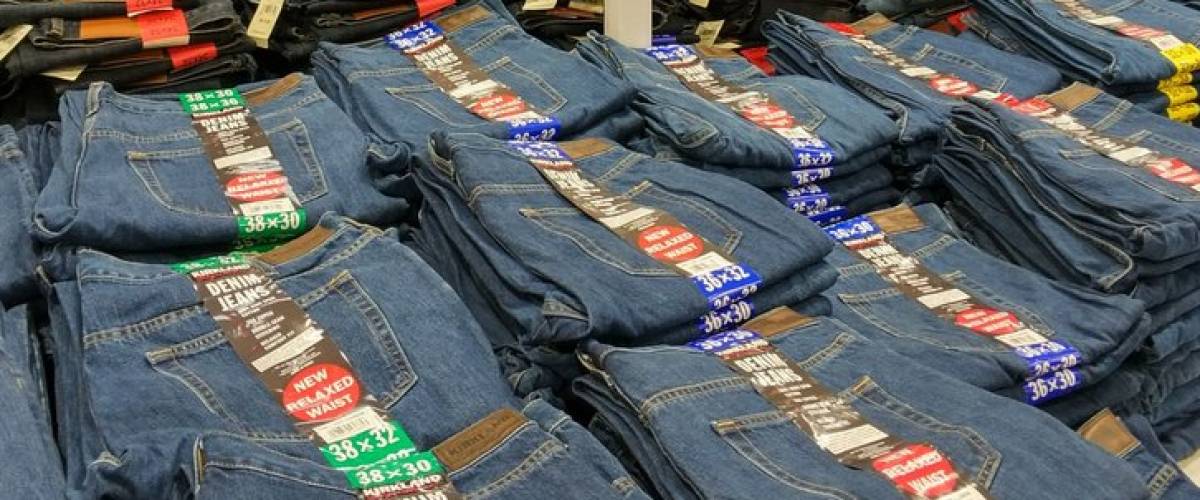
In 2016, Costco briefly discontinued its Kirkland Signature 5-Pocket Jeans for men and then reintroduced them with “design improvements.”
However, fans of the original “dad jeans” were not pleased with the changes. A customer posting on Reddit argued the newer version was a poor substitute because of its thin material and different fit and design.
Costco seems to have canceled production of these jeans entirely (possibly replacing the Kirkland Signature brand with Urban Star), according to dozens of distraught commenters on Facebook.
Advertisement
"I've been wearing KJs for many years, and am dismayed they are no longer being carried. I don't really like to think about my clothing much, and they were reliable and wore pretty well. Sniff," wrote one commenter.
Costco still carries Kirkland Signature Men's Jeans; however, reviewers on the store’s website still fondly remember the 5-Pocket version.
Advertisement
6. Fresh made gelato
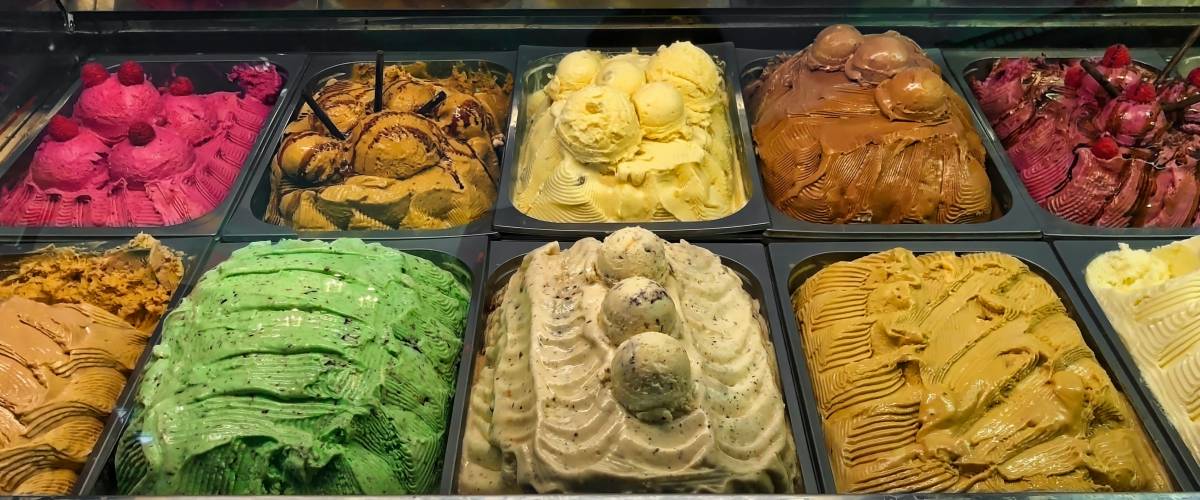
Some of you may or may not remember this one, depending on whether your Costco food court offered it.
Certain Costco locations served gelato in a variety of flavors like strawberry, chocolate, stracciatella, pistachio or mixed berry. They each cost $1.50 for a three-scoop waffle cone or $4.99 for a quart to go.
A petition on Change.org (with over 100 supporters) says Costco stopped offering gelato in 2015. CellSalesThrowaway2 on Reddit claims the food court favorite was just a trial offering on the menu that was deemed a failure and removed after a year or so.
While you may not find it freshly served in the food court any more, Costco does have several gelato options in the frozen grocery aisle. Mashed reported at the end of 2020 that Costco customers were thrilled with the Talenti Gelato Layers variety pack that the warehouse chain had just started to offer.
Advertisement
7. Pocky Chocolate Biscuit Sticks

Pocky, a sweet Japanese treat consisting of cream-coated biscuit sticks, is a pretty popular snack.
Reddit user ladyerim said they’re the “best snack. Satisfies that munchie need with not too many calories and a bit of a sweet treat.”
Advertisement
While Costco hasn’t completely stopped selling Pocky — they have them available in flavor variety packs and smaller, individual packs — they no longer sell the 1.06 pound package of the chocolate flavor, as reported by Eat This, Not That!
This 12-count item was available for $8.99 at Costco, whereas a single pack costs around $1.23 at Walmart. Pocky won’t be hard to find if you want it, but the bulk deal definitely will be sorely missed.
Advertisement
8. Kirkland Signature cinnamon roll protein bars

You can get all kinds of protein bars at Costco, and even some tasty keto-friendly options if you shop online, but there’s one special bar that’s missing from the shelves.
Unfortunately, the Kirkland Signature cinnamon roll-flavored protein bars — named by Mashed as “the best tasting protein bars Costco has ever sold” — have disappeared from the store.
There are still Kirkland Signature protein bars in flavors like chocolate brownie, peanut butter chocolate chunk, and cookies and cream, but customers say they fall a little flat in comparison.
The 2020 review by Mashed says that the chocolate flavor has an unpleasant aftertaste, and while it’s probably a coincidence, Costco’s website mentions that the recipe for their bars recently got a refresh.
Their ingredient list promises four grams of fiber, five grams of sugar and 21 grams of protein per bar, as well as erythritol in the chocolate they use — which apparently has little to no aftertaste, but one Redditor who used it as part of their keto diet described its flavor as a “chemical fart.”
It seems it was only the cinnamon roll flavor that you could eat all day long, and they are nowhere to be found.
Advertisement
9. Kirkland Signature Turkey Burgers
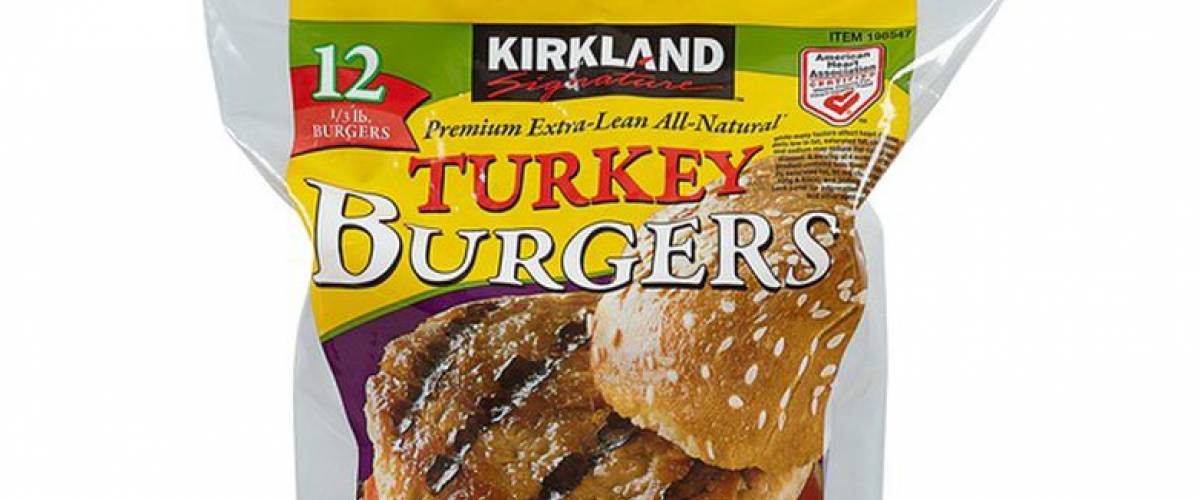
In the same year that Costco cleared many fattening items from its food court menu, it also removed this healthy item from its store shelves.
The extra-lean turkey patties, clocking in at only 200 calories each, were a welcome alternative to the beef variety, and they were a popular choice for customers looking to drop a few pounds.
Advertisement
Healthline wrote an in-depth comparison of the nutritional value between three ounces of ground beef and the same amount of fat-free ground turkey. They determined that, in addition to having fewer calories, the turkey had equal or greater amounts of protein than the beef — which is an important factor for weight loss.
"They were very lean and an excellent source of protein. I used to eat them all the time and look for them often ... I guess Costco just wasn't selling enough of them," writes DonaldsOrangeBeanBag on Reddit.
A concerned citizen began a petition on Change.org to bring the product back, but there has been no word on the turkey burgers’ return.
Thankfully, the reviews for the Columbus turkey burgers currently sold at Costco have been pretty positive.
Advertisement
10. Polish dogs
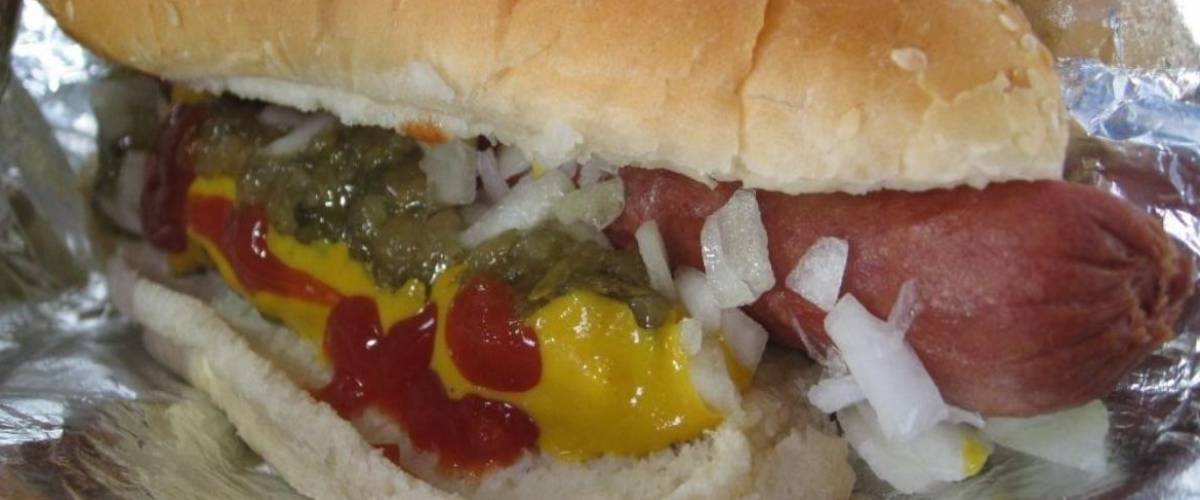
It came as a shock to us all. To make room for more healthy items on its food court menu, Costco got rid of its Polish dogs in 2018.
The decision outraged loyal customers, who took to Twitter to protest under the hashtag #SaveThePolishDog. "Hey @Costco if I wanted a healthier vegan friendly option I wouldn’t be at your food court ... I go to Costco just for your hot dog lunch some days #SaveThePolishDog" tweeted @JanaKeck.
A Change.org petition to save the sausage even generated over 16,500 signatures.
Sadly, their efforts were in vain, and Polish dogs are still missing from the menu.
But don’t fret, friends. You can still snag the regular, all-beef frankfurter, and Costco’s $1.50 hot dog and soda combo is in no danger of disappearing any time soon. You could even consider making a trip up north — Costco Canada has no plans as yet to eliminate the Polish dog from its food court menu.
Advertisement
11. Litehouse freeze-dried garlic

Anyone who has delighted in the scent of simmering garlic knows it comes at the cost of stinky hands for days after mincing those fragrant cloves.
This is where something like Litehouse Foods’ freeze-dried garlic comes in handy.
Advertisement
Unfortunately, you will no longer be able to purchase these 45-gram jars of garlic — which amounts to about 45 cloves — for $5.79 at everyone’s favorite bulk shopping center.
Reddit user If_I_had_my_druthers spotted the product on the shelves of Costco with the infamous asterisk on the price tag — a sign that says you won’t be seeing the product for much longer.
This Costco fan and Redditor wrote: “Informed by Litehouse Foods customer service rep that Costco no longer stocking the brand. Will miss these food service size jars.”
Advertisement
12. Kirkland Signature Take and Bake Pizza

mma mia, it’s another discontinued item!
On par with other Kirkland Signature products, the take and bake pizza was a hit. The pizza was made in house, refrigerated and sold as a ready-to-bake dinner for customers.
This product set up a nice balance between popping a frozen pizza in the oven and going through the effort of whipping up your own from scratch. Unfortunately, Costco no longer sells these tasty pies.
Reddit user Dislodged_Puma reported, “As far as my warehouse told me, Costco corporate decided that Take and Bake pizzas weren't worth it along with some of the other "in-house" packaged food. Like the warehouse lost the pizza maker and everything.”
A Costco employee, Reddit user thedarpelness, wasn’t as sad as others were to see it go. They shared: “We had to hand place like 60 pepperonis on each one. [For] The Super Bowl we had to make like 200 pizzas … My hand hurts just thinking of it.”
Advertisement
13. Kirkland Signature frozen four-cheese ravioli

This tasty instant pasta, stuffed with ricotta, asiago, parmesan and Grana Padano cheeses, was definitely a hit with customers, judging by the irate Facebook comments demanding its return.
Food blogger MelanieCooks declared the product tasted “just as good as the cheese ravioli in Italian restaurants” and that she wouldn’t be surprised if restaurants were serving the Kirkland Signature pasta at inflated prices.
Advertisement
No formal announcements were made regarding the ravioli’s regrettable departure, but the product isn’t listed on the Costco website, and customers say it’s been a long while since it was offered in-store.
While you may be missing this tasty ravioli, Costco does still have a wide variety of dried pasta available on their website. The standard wheat pasta comes in a multitude of shapes like spaghetti, fusilli and lasagna sheets. There are healthier options too, like cauliflower noodles, organic varieties and even quinoa-based vegan mac and cheese boxes.
Advertisement
14. Power Up Trail Mix
Power Up trail mixes are sold as a variety of medleys — antioxidant, mega omega, protein packed and high energy, to name a few.
They blend nuts and dried fruits into delicious and hearty combinations that are sure to fuel you up, maybe even for a long walk through the aisles of Costco as you look for wherever they moved the toilet paper to this time.
Sadly, Power Up trail mixes can no longer be found on that particular trek. A disheartened Reddit user, lookie4dacookie, shared: “Best trail mix in the world is being discontinued. Would it be bad form to buy them all? Asking for a friend …”
If you’re searching for the perfect hiking snack during your next Costco trip, they still sell a variety of trail mixes from other brands, including their own Kirkland Signature.
Advertisement
15. Half-sheet cakes
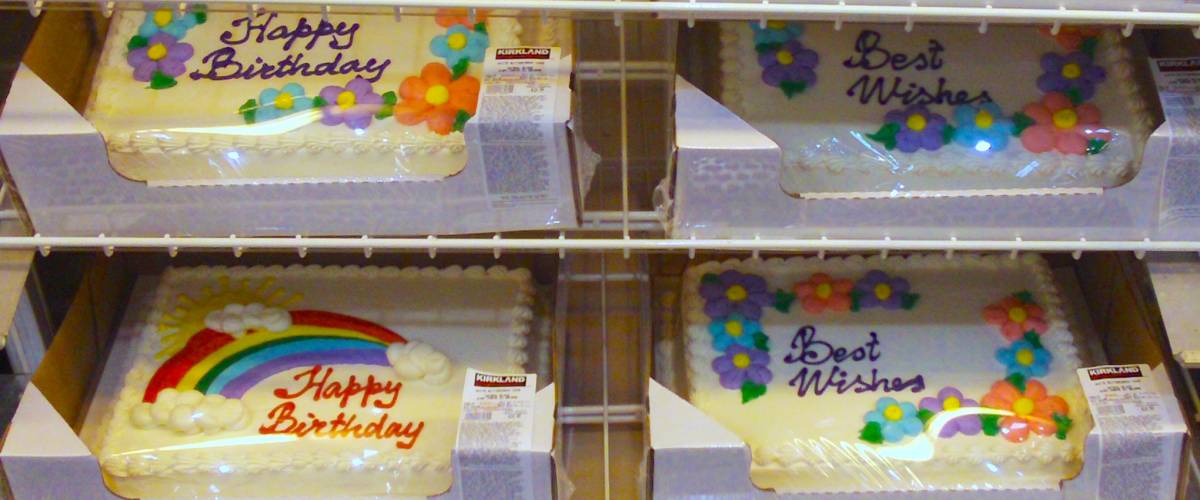
Add Costco’s iconic half-sheet cakes to the growing list of things COVID-19 has canceled this year.
The warehouse chain shelved these sweet slabs in the spring of 2020. A staple at birthday parties, the half-sheet cakes were an inexpensive way to feed around 50 people a pop. The cakes came in vanilla and chocolate.
Costco informed Delish that it has no immediate plans to revive the fan favorite.
A Costco representative replied to one saddened customer on Facebook with the explanation: "To help limit personal contact and create more space for social distancing, Costco has reduced service in some departments."
Advertisement
16. Kirkland Signature American Cheese
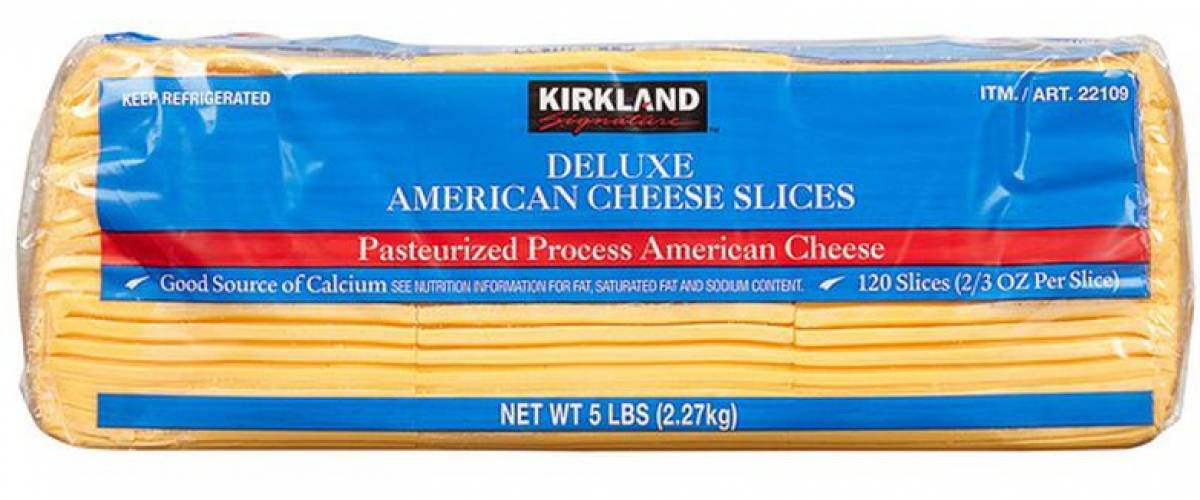
In 2018, Bloomberg published a piece that claimed millennials were speedily killing off American cheese, so it comes as little surprise that Costco discontinued this Kirkland Signature product.
Unlike the still-popular Kraft Singles, Kirkland Signature cheese slices weren’t individually wrapped. Consumers disagreed about whether the convenience would be worth the wasteful packaging. Considering the texture of American cheese, it could become a pretty sticky situation.
Many felt that the store brand product beat its name brand competitor in taste, but in the end Kraft has survived where Kirkland has not.
Advertisement
“Sales were dropping on the KS stuff,” writes Costco Panda, a self-professed insider, on Reddit. “Down several million dollars a year. Made more sense to increase our purchase volume from Kraft and, in turn, get a better price.”
The cheese came in five-pound packages with 120 slices each. Oddly enough, the Kirkland brand American cheese is still listed on Costco Australia’s Business Center website.
Advertisement
17. Threatened seafood

An eight-month Greenpeace campaign helped convince Costco to launch a sustainable seafood policy in 2011 — and drop several wild-caught species from its seafood section.
“Costco must use its massive buying power to leverage positive change in our oceans,” the environmental group wrote. Greenpeace says its "Oh-No-Costco" campaign garnered more than 100,000 signatures.
The retailer no longer sells wild seafood species “that have been identified at great risk,” such as Atlantic cod and halibut, shark and Bluefin tuna. In 2019, Costco added some varieties of wild salmon to its list as well.
The National Oceanic and Atmospheric Administration — part of the U.S. Department of Commerce — states that the U.S. is recognized as a global leader in the space of sustainable seafood. There are laws determined by fishery management planning that dictate how seafood can be caught, and U.S. fisheries monitored, managed and legally enforced under national standards.
Advertisement
18. Primal Kitchen Buffalo Sauce

were sold at Costco in bundles of two for $9.99 before they were discontinued. The product had a solid fan base, too. User justcodeit on Reddit boasted that the sauce has “best-in-class ingredients which is why the price tag is higher than Sweet Baby Ray's buffalo or other buffalo sauces on the market.” In a photo that Reddit user kucupapa shared of the product, you can see the infamous Costco death star on the price tag — letting customers know that the end is near for the product’s life at Costco and you should snatch it up fast.
Advertisement
19. Bibigo Organic Potstickers

Within their vast frozen food section, you can find Korean-inspired frozen meals by Bibigo at Costco. Though, not all of the brand’s products are available.
For instance, the Bibigo organic potstickers are no longer sold in the bulk-sized freezers, much to many customers' chagrin. Reddit user skilletID shared, “I love the beef version of these, but have not seen them in our store in a very long time. I reluctantly buy smaller bags at Meijer.”
Bibigo’s mini wontons and beef bulgogi are still for sale at Costco, as well as potstickers by the brand Ling Ling for an alternative.
This works out well for some customers who actually prefer the Ling Ling potstickers over Bibigo. Redditor Dramatic-Club-323 shared, “I'd rather pay more for Ling Ling at the grocery store” instead of getting a Bibigo bargain at Costco.
Advertisement
20. BBQ beef brisket sandwich
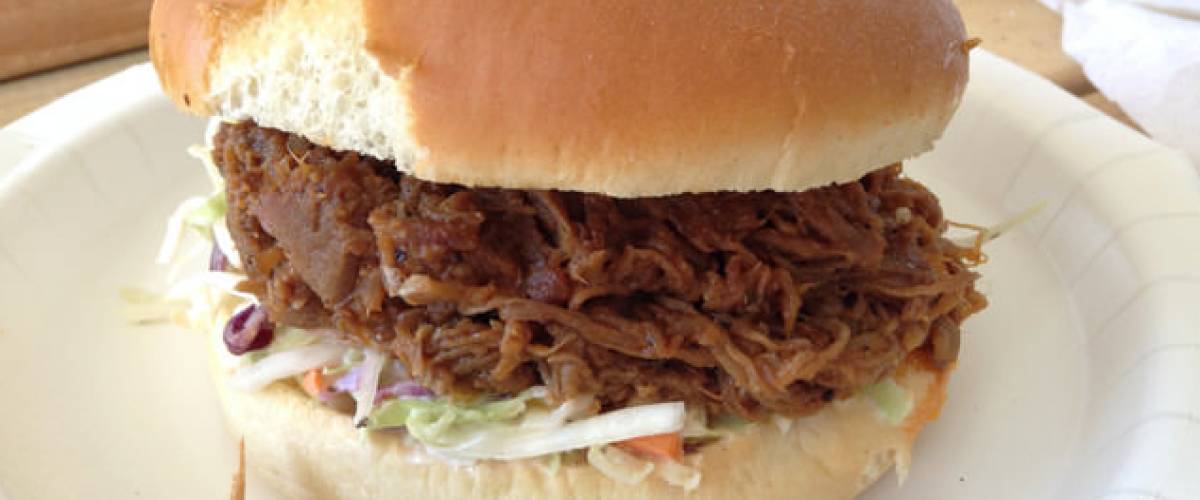
Although this food court favorite was only available at select Costco locations, fans grieved when the retailer swept grease aside to make room for healthier meals.
"Costco may giveth and Costco may taketh away," writes sandbrah on Reddit.
Advertisement
The sandwich was crammed with juicy beef dripping in sweet BBQ sauce and topped with a creamy coleslaw. At $4.99, however, it probably didn’t get the same following as cheaper items on the menu.
Fortune reported in 2018 that “at least some” warehouses had dropped the BBQ beef brisket sandwich, however Kitchn suggested in 2019 that it occasionally resurfaces as a seasonal item.
Redditor RTK9, who claims to have worked in the food court, said, "I know this is an unpopular opinion, but ... I say good riddance. That sandwich was more of a pain in the butt to prep and go through all the procedures for than making 50 chocolate nut covered ice cream bars in a row. That, and the amount of fat in it on the label was astounding."
Advertisement
21. Pampers diapers

Diapers are a big expense for parents, and it makes sense that they’d want to stock up on this essential in bulk. Unfortunately, Costco doesn’t make it easy to get large quantities of certain brands of diapers.
In August 2021, Costco ran a members-only sales event that limited the amount of Kirkland brand diapers that each customer was allowed to buy.
At the same time, an S.O.S went up on a Facebook group for Costco customers saying that they’d seen the “this product will be discontinued” star on the price tags of all Pampers brand diapers, according to Eat This, Not That.
Now, there are a number of baby hygiene products available on the Costco website, like baby wipes and pull-ups, but the only remaining diaper options are specifically Huggies or Kirkland, both of which are manufactured by Kimberly-Clark.
While they may not be the exact same product, it seems that Costco is sticking with the goods from that manufacturer only. There is no sign of Pampers anywhere on their website these days, and the brand may be gone from the warehouse shelves for good.
Advertisement
22. Tasty Bite Tikka Masala

What’s better than a warm meal you’ve cooked up for yourself? A delicious meal that’s ready in one minute, maybe.
The brand Tasty Bite has you covered when it comes to ready-to-eat Indian and Pan-Asian meals. From tandoori rice to chana masala — and the meal that is now discontinued from Costco, Tikka Masala.
Advertisement
The Tasty Bite Tikka Masala is a microwavable curry dinner beloved by Costco fans. Reddit user ickyvikki13 responded in a thread about discontinued items Costco shoppers wish would come back saying, “Tasty Bites Tikka Masala! They replaced it with their lentils, but it's just not the same.”
While it may no longer be available at Costco, the brand does still make the product. You’ll just have to purchase it elsewhere (and in smaller quantities).
Advertisement
23. Kirkland Mediterranean blend oil

Kirkland’s Mediterranean blend of cooking oil was apparently so popular that when it was discontinued in early 2021, foodies started a Reddit subthread about how to recreate it in their own kitchens.
This blend, a mixture of canola, olive and grapeseed oils, has a smoking point of around 400 F, making it suitable for both cooking and in salad dressings. This versatility was part of the reason customers loved it.
Costco shoppers might be used to the “now you see it, now you don’t” merchandising strategy of the bulk store, but Costco hasn’t addressed publicly why they decided to stop carrying it.
While Costco’s website still offers a three-liter container of Kirkland pure olive oil and many other brands besides, the customer who wanted this particular blend will be left with more questions than answers.
And perhaps a messy kitchen as they try to figure out the right recipe for themselves.
Advertisement
24. Studded tires

Costco stopped selling this type of snow tire in stores across the U.S. (except for Alaska) back in 2007 for environmental reasons.
While studded tires certainly make it easier to drive on icy streets, they can also cause serious damage to roads. Goodyear writes that while these studs are helpful in certain circumstances, they are not to be used when there is no snow or ice on the road.
Advertisement
According to the U.S. Tire Manufacturers Association, certain states — like Illinois and Wisconsin — have regulations that prohibit the use of studded tires for passenger vehicles entirely. Other states are permitted within certain weather conditions or timeframes, and some will allow studded tires on the roads only if the studs are rubber, not metal.
“Many manufacturers are moving away from studded tires because of the road damage they cause,” Costco’s corporate tire buyer Pat McClintock told The Spokesman-Review. He added that the studded tires could damage other tires during shipping, plus they didn’t sell as well as they used to.
Advertisement
25. Chocolate frozen yogurt

Costco’s chocolate frozen yogurt is another item that didn’t make the cut when the warehouse was revamping the food court menu, though you can still get the vanilla flavor.
San Luis Obispo’s The Tribune first reported in 2018 that a Costco in the California county had discontinued the chocolate yogurt and it seems as though other locations followed.
Loyal customers were disappointed, to say the least. "Heck, I'd even be happy if they did chocolate and vanilla on alternating days. I would gladly plan my Costco trips on an odd/even yogurt schedule," writes tred16 on Reddit.
Despite the 400 petitioners on Change.org who have refused to accept the transition, it seems Costco doesn’t plan on bringing it back.
Advertisement
26. Hand-dipped ice cream bars

Costco got rid of this delectable dessert way back in 2013, but seasoned shoppers remember it well.
The vanilla ice cream bar, dipped in chocolate and encrusted in toasted almonds, sold for only $1.50 at the food court.
Advertisement
Some speculate that rising almond and dairy prices may have prompted Costco to remove the treat from its menu, although the company has been known to sell at a loss with its roast chickens.
"I kind of figured the main reason was because of the labor intensity — unwrap the bar, dip it, wait to cool, roll it in almonds, wrap it. Not like the pizza, which was 'shove into an oven and then sell six slices.' Don't care, double the price, hire dedicated staff and assist with dipping robots. I want my damn dipped ice cream bars with almonds!!!" writes PinochetIsMyHero on Reddit.
You could also find Kirkland Signature vanilla almond ice cream bars in the freezer section, but fans of the food court version claim they simply couldn’t compare.
Advertisement
27. Cuddle With Me dolls
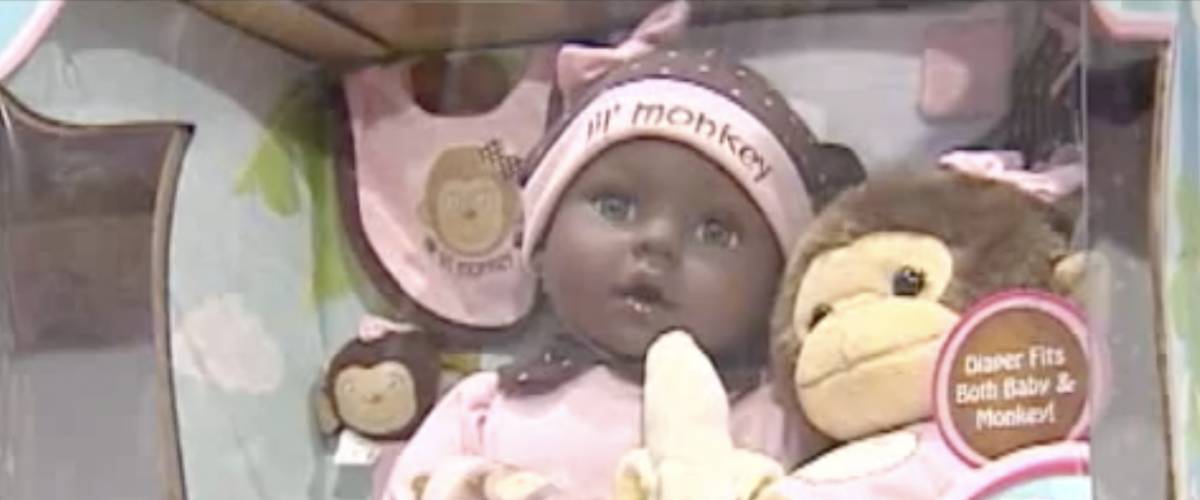
In 2009, Costco stopped carrying a Cuddle With Me doll that customers found racially offensive.
The dolls came in three different ethnicities — Caucasian, African American and Hispanic — and each was accompanied by a plush panda or monkey. A Costco member in North Carolina filed a complaint regarding the African American doll, which was paired with the monkey and a banana and wore a headband with the label “lil’ monkey."
Costco immediately pulled all of the sets that included the plush monkey out of its stores. Although the other versions were available for a while, Costco seems to have banished the collection entirely.
"As soon as it became clear to us that this toy item was offensive to some of our members, we decided to remove it from our warehouses," said former CEO Jim Sinegal in a statement.
The only dolls currently found on Costco’s website are twins: The set of pink, plush Baby Emma and Allie retail together for $19.97.
Advertisement
28. Krusteaz Pumpkin Spice Bread 4-pack

Pumpkin spice-flavored anything is a sought-after novelty these days. The Krusteaz pumpkin spice bread mix makes for a great autumnal treat and a chance to get in the kitchen and bake.
Advertisement
Natalie, the author of Cost Cuisine, a Costco food review blog, wrote, “If you love pumpkin spice flavored anything, seriously go to Costco and pick this up ASAP. I’ve never had this mix before and I’m currently trying to figure out how many boxes I should stock up on when I’m at Costco next.”
Alas, Eat This, Not That! reported that Costco has stopped selling this item. But you can still purchase the mix at other retailers or stock up on the bulk ingredients to whip up a loaf from scratch the next time you hit the warehouse.
Advertisement
29. Kauai Coffee Company Whole Bean Medium Roast Coffee

Is there anything better for a coffee fiend than a store that sells those vital beans in bulk?
Despite some discontinuations, Costco continues to offer plenty of coffee bean options, including some under their own Kirkland Signature brand. The Kauai Coffee Company Whole Bean Medium Roast Coffee, however, is no longer present on their shelves.
Instagram user @costco.love shared a photo of the coffee beans for sale, noting the signature star to let customers know the product wouldn’t be around much longer.
At $14.97 for a bag of 1.5 pounds, Kauai Coffee says their medium roast “delivers a bright aroma with light floral notes, making it the perfect cup of coffee to drink, day or night.”
If this coffee was an essential in your grocery haul, you’re not totally out of luck. You can still purchase it online or from other grocery retailers.
Advertisement
30. Kirkland Signature body lotion

This popular product was probably phased out sometime in 2017 and plenty of displeased customers took to Facebook to request its return.
Made with plant extracts and lightly fragranced, the Kirkland Signature body lotion was a go-to for shoppers with dry and sensitive skin. “What's it going to take, Costco? I'll never get through winter without this terrific body lotion. Bring it back!” pleads Lilia A. Chacon on the social media platform.
Advertisement
The warehouse chain has no plans to bring the body lotion back to U.S. shelves in the near future, claiming it didn’t meet inventory sales targets. However, if you’re planning on making a trip across the border at some point, you can grab the product from a Canadian store.
Sensitive-skinned people who can’t take a trip to Canada for the Kirkland product will have to make do with the many options still available at the U.S. stores. Aveeno, Cetaphil and Weleeda all offer multi-packs of their top-selling body lotions through the wholesaler, and Sebamed’s Fragrance-Free Gentle Hydrating Lotion is a good option as well.
Advertisement
31. Kirkland Signature milk chocolate peanut butter cups
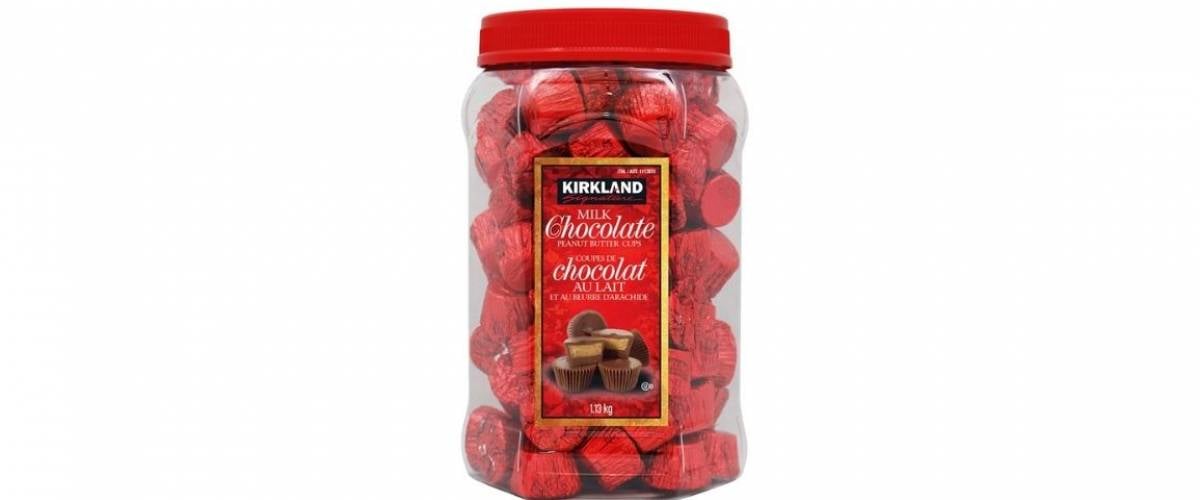
Costco customers claim the Kirkland Signature peanut butter cups were good enough to rival Reese’s.
As one satisfied Amazon user put it: “Kirkland brand nails it. The peanut butter is super creamy. There is just the right amount of chocolate. This decadent marriage of chocolatey, salty creaminess is almost too good to be real. DO NOT have these in the house if you are on a diet.”
However, the beloved product is no longer listed on the store website, and fans bemoan that they’re no longer offered in stores either.
If you really need that peanut butter cup craving satisfied — in bulk — Costco has a number of options for fans of Reese’s original product and its many size variants.
The standard package of two cups comes in a box of 36, or if you’re really hungry you can grab a 24-count box of the 2.8 ounce King Cups. You can even get a 105-count box of individually wrapped mini cups for under $10.
Advertisement
32. Eggs from caged chickens
In 2020, Costco hatched a plan to only sell cage-free eggs in its stores across the globe as part of its animal welfare policy. However, it might take a few years to get there, depending on suppliers.
Advertisement
As of the 2020 fiscal year, 93.2% of the wholesaler’s eggs in U.S. stores were cage-free, but Costco has already achieved its 100% goal in France, Iceland, Spain and the U.K.
You can check your egg cartons for the cage-free certification before you purchase them. Kirkland Signature Organic Large Brown Eggs and Kirkland Signature Liquid Egg Whites are among the available cage-free Costco products.
Cage-free systems allow the hen to walk around, spread their wings and lay eggs in a nest, which is a major — and desperately needed — departure from the battery cage system. Battery cages are so small that the hens typically spend their lives confined to an area the size of a regular sheet of paper.
Advertisement
33. Kirkland Signature Performance One golf balls

Costco’s known for its lenient return policy, but when a relaunch of its Kirkland Signature Performance One golf balls failed to meet the mark, the retailer ended up axing the product entirely.
The golf balls initially rolled out in 2016. Customers were delighted, but Acushnet Holdings Corp., owner of golf ball maker Titleist, was less so. The corporation claimed Costco’s product violated Titleist patents, and the two companies battled it out in a lawsuit.
The case was settled in 2018, and Costco pulled back its original product. The wholesaler debuted a new version of its Performance One golf balls soon after — however, plenty of customers complained about its lack of durability. Costco refunded buyers for both the product and shipping costs, even without returns.
It’s unknown whether the big-box giant plans to revamp and re-release the Performance One product once again. For now, the Kirkland Signature Three-Piece Urethane Cover Golf Ball Performance Plus is available.
Advertisement
34. Kirkland Signature comté cheese

This delightful French cheese might be Costco’s version of the Polkaroo — sometimes you see it, sometimes you don’t.
While it appears to be offered by different grocery delivery apps such as Instacart or Burpy as part of their wholesale service, Costco does not list it with their in-store inventory.
Advertisement
The cheese itself, which hails from the Franche-Comté region of France, is made from unpasteurized cow’s milk and is aged in the caves of the Alps for anywhere between four and 24 months.
The lack of pasteurization might have been the cheese’s downfall, as the CDC has previously issued a caution to the public about the risks associated with ingesting raw milk products, including some cheeses.
Maybe the risk was part of the attraction, as a Change.org petition from an upset fan began circulating in 2018, wanting this product back on store shelves. While the petitioner claimed victory, there is no evidence that the cheese actually reappeared.
Advertisement
35. MyPillow products

Several big box retailers cut ties with MyPillow in 2021 and CEO Mike Lindell blames “cancel culture.”
An online petition requesting Amazon, Walmart, Costco, and Bed, Bath & Beyond to stop selling the bedding maker’s products has garnered over 110,000 signatures.
Costco initially told Newsweek that it would continue selling MyPillow products due to "contractual commitments to MyPillow that we intend to honor, as we seek to do with all of our suppliers." However, Lindell later told The New York Post that Costco would stop selling MyPillow merchandise after it sold through whatever inventory it had left in stock.
Costco hasn’t commented on the removal, but other retailers like Bed Bath & Beyond have pointed to declining sales when explaining their decision to drop MyPillow products from store shelves.
Lindell was suspended from Twitter in early 2021 for spreading disinformation regarding the 2020 presidential election, and he was banned again in May 2022, according to The Los Angeles Times.
Advertisement
36. Kirkland Signature Light Beer
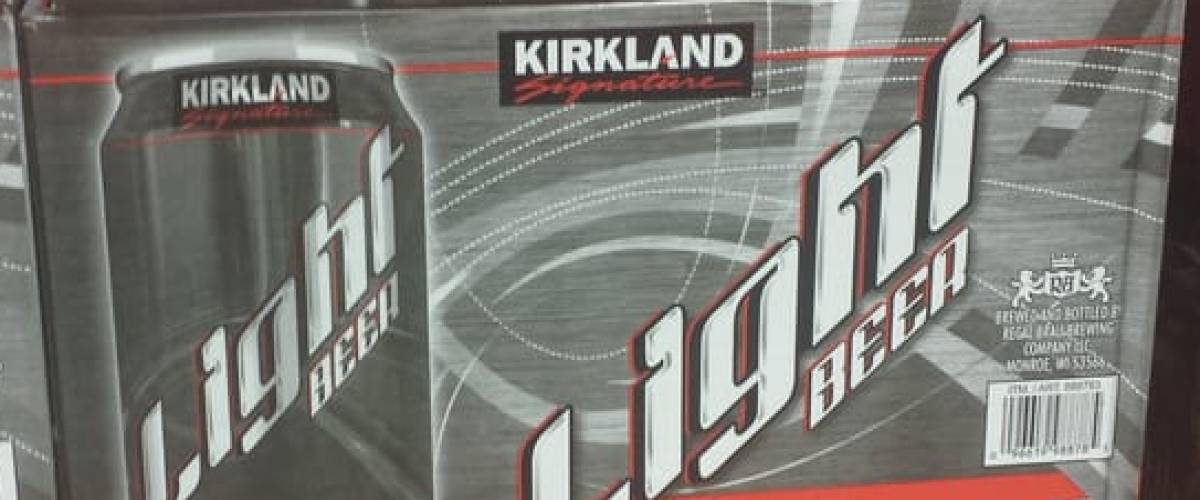
For better or for worse, Costco stopped production of its Kirkland Signature Light Beer in 2018.
The 48-packs sold for $22 — less than 50 cents per can. Many mourned the end of an era. "Costco stopping sales of Kirkland light beer is like McDonalds not giving toys with the happy meals. THIS. IS. ANARCHY," tweeted @KalypsoPuppy.
One California man even made a viral commercial for the beer in his backyard back in 2017.
While the beer had a cult following of party-goers on a budget, it certainly had its critics as well.
Advertisement
One reviewer on RateBeer famously compared the brew’s smell to a “urine-soaked diaper sitting on a piping-hot radiator.” The beer has an average rating of 2.45 out of 5 on the website and with feedback like that, it’s no surprise Costco didn’t keep it around.
Although the light beers are long gone, you may still be able to grab a $20 craft-brewed variety pack with pale, blonde, brown and India pale ales.
Advertisement
37. All American Chocolate Cake
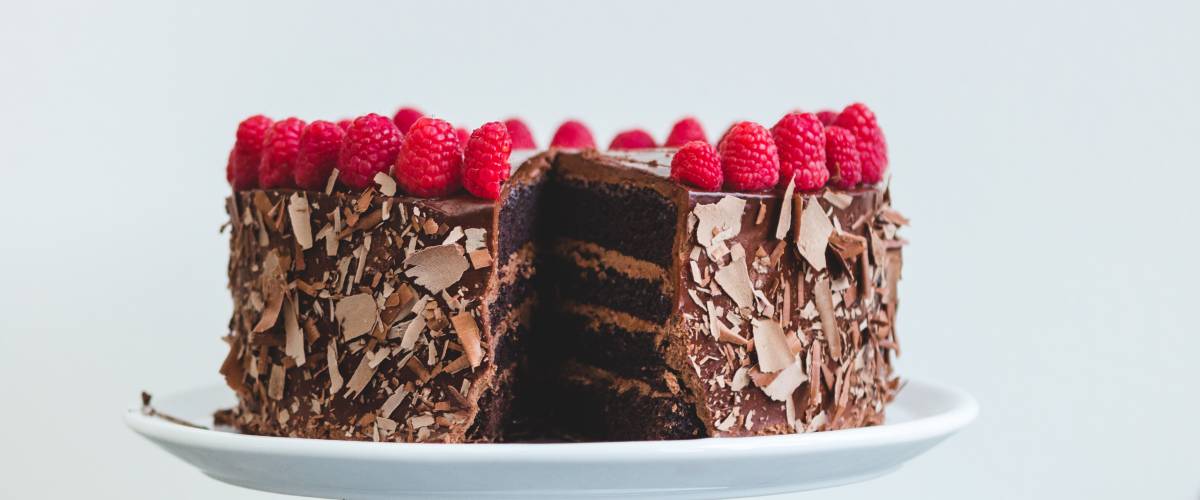
This glorious mountain of rich, chocolatey goodness was abruptly abandoned by Costco without explanation, leaving customers confused and distraught.
The four-layer chocolate cake was packed with frosting and garnished with chocolate shavings, weighing in at seven pounds. It cost $16.99, according to food and drink website The Daily Meal. No one knows why Costco stopped making it, only that it vanished some time in 2019 and now remains the stuff of legends.
The loss even inspired a petition on Change.org, which garnered more than 8,000 signatures.
In 2021, however, the warehouse club introduced a mini version of the beloved bakery item — the Mini All American Cakes, which come in a pack of six and cost $7.99.
Advertisement
38. Hawaiian Hurricane Microwave Popcorn

The Hawaiian Hurricane Company started as a pushcart in Kaneohe, Hawaii selling popcorn with creative and exotic ingredients, like mochi crunch and seasoned seaweeds, mixed in.
The fact that this delicious popcorn is available in a microwavable form makes it even better. Instead of hopping on a plane to Hawaii to get their fix, customers grabbed their Costco memberships and headed to the store.
Advertisement
Reddit user ladylilliani shared a photo of the popcorn after a Costco haul and said, “10 or 15 years ago, I received one pack as a gift from a friend. Ever since, I've been looking for this. Amazon sells it sometimes, but at a ridiculously high price, so I never got it. This is a treat.”
You may not need to go across the ocean to purchase this treat, but you will have to seek it out at retailers other than Costco going forward.
Advertisement
39. Rao’s Alfredo Sauce

Rao’s is a company known for their abundant variety of pasta sauces, along with soups and frozen entrees.
Costco customers used to be able to buy a two pack of their alfredo sauce for $6.97 in store. But Costco superfan, @costco.love on Instagram, shared a photo of the alfredo sauce on clearance — in other words, on the last leg of its Costco life.
While Rao’s does offer a variety of other sauces — from marinara to bolognese to basil pesto — none of their products seem to be available on Costco’s website.
Reddit user SkyIsland_Dreamer shared, “Both the Raos Marinara and their Alfredo are excellent! Also, they are a real bargain compared to buying them in grocery stores.”
Shoppers won’t be totally lost on bargain Italian delights, though. The store sells its own Kirkland Signature sauce, along with other brands like Prego.
Advertisement
40. Pots Fudge Lava Cake

e brownie — you can eat them chilled from the fridge or heated in the oven or microwave. Pots’ fudge lava cake is a particularly beloved treat in their range, but you won’t find this divine dessert in Costco’s divine quantities any longer. Reddit user and Costco employee foxygoose responded to a sweet-toothed fan’s post regarding their unsuccessful search for this product: “Costco employee here. Costco Item number 1142519. I don't see it in stock anywhere in the U.S.” While you may not be able to grab these at your local warehouse, the fudge lava cakes aren’t totally discontinued and you can get your Pots chocolate fix at other grocery retailers.
Advertisement
41. Island Princess Macadamia Popcorn Crunch

Island Princess makes gourmet Hawaiian snacks with caramel corn, macadamia nuts and chocolate.
Costco has sold a variety of their products over the years and just last year, shopper @costco.love on Instagram noticed this toffee-coated popcorn was on its way out of Costco stores.
While the 16-ounce bag of this treat, which was sold for $3.97, is no longer spotted on the shelves, it is still sold on Costco’s website for $59.99 in a pack of two 24-ounce jars.
So, you technically can still get your fill of this snack in bulk.
Advertisement
42. Palmetto Cheese

Costco reportedly pulled Palmetto Cheese from shelves in 2020 after brand owner Brian Henry made a public Facebook post attacking a popular protest group.
The Post and Courier reports that the pimento cheese would no longer be carried in more than 120 U.S. Costco stores, and one Myrtle Beach location says the item has been discontinued and would not be re-ordered.
Advertisement
Costco has yet to comment on the product being removed. Henry told the news outlet that “Costco rotates items in and out during the course of the year. They will occasionally add and drop products as a matter of normal business ... We remain optimistic that Palmetto Cheese will be back on the shelves in the not too distant future.”
Henry made a public apology in September 2020 and said the company would be rebranding “to be more sensitive to cultural diversity,” according to MyrtleBeachOnline.
Advertisement
43. Lavazza Espresso Italiano Whole Bean Coffee

Everyone starts the day in their own way, and it’s safe to say that coffee is a part of the routine for many.
Lavazza Espresso Italiano whole bean coffee is a medium roast with aromatic notes of fruit and flowers that many Costco customers have enjoyed pouring themselves a cup of.
Reddit user ideal_enthusiasm shared, “I got Lavazza on a whim when it was on sale at business Costco,” writing that the flavor was smoother than the Kirkland Signature coffee.
Much to the dismay of coffee-fueled bargain shoppers, Instagram user @costcohotfinds discovered this 2.2 pound bag of beans was marked with an asterisk on a trip to the store.
While you may not be able to pick up these beans at Costco anymore, Lavazza coffee is still available directly through the company and at some grocery stores.
Advertisement
44. Cinnamon sugar pretzels
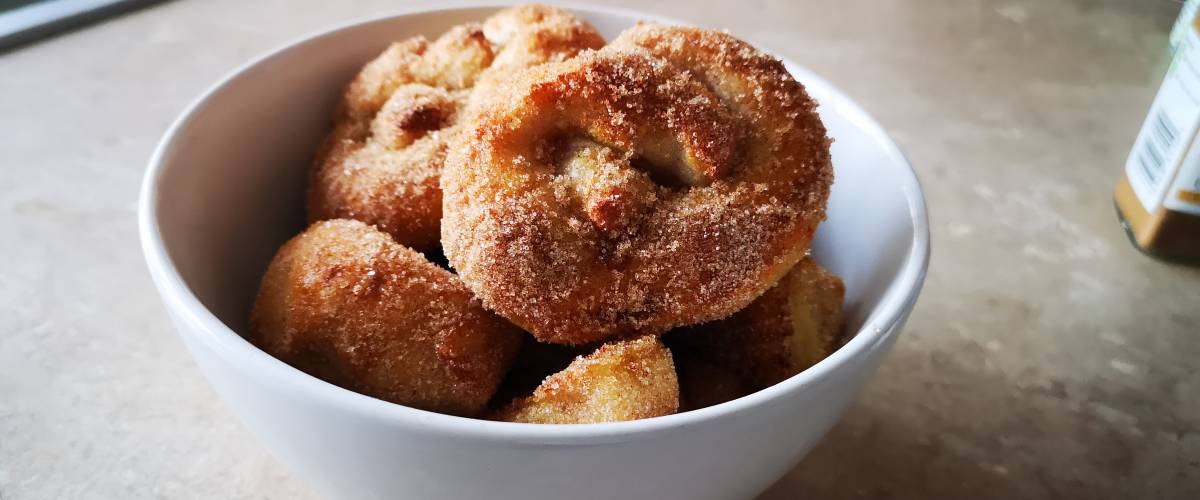
The food court at Costco is the stuff of legend, with a perennial fan favorite being, of course, the hot dog and soft drink combo for $1.50.
An item less talked about but still greatly missed is Costco’s soft pretzel, specifically the cinnamon sugar kind. They sold for one dollar and were evidently replaced by the churro, according to Mashed.
Advertisement
While they have already been off the menu for a few years, fans continue to mourn their loss, and seem to vastly prefer them to the churros that were added to the menu instead.
One potential reason for their disappearance is the recent U.S. trend over the past several years toward promoting healthier foods. An entry for the dessert pretzel on My Fitness Pal says it has a whopping 554 calories and 77% of the average person’s daily recommended intake of carbohydrates.
But since the pretzel was replaced with the churro — not exactly a healthier option — it also could have come down to cost. Costco often watches the items that aren’t selling as much as they would like, and churros are easier and cheaper to produce than those delicious twisty treats.
Advertisement
45. Parmigiano Reggiano cheese wedges

Sure, the pre-grated stuff is convenient, but have you ever had your pasta the traditional Italian way, preparing your Parmigiano Reggiano right at the time of cooking?
Once grated, parmesan cheese quickly loses its flavor, so the jarred, made-by-Kraft option that Costco currently sells doesn't even qualify for top parmesan cheese status.
The removal of this product might be due to supply chain issues, as some hopeful Redditors brought up in a thread about the disappearing cheese, but it has not returned to the shelves of the warehouse yet.
Unless you’re willing to pony up $950 for a 72-pound wheel of it, you can no longer find the wedges at Costco.
But, you can still sign up for Business Center delivery, if you’re willing to buy at least 10 pounds of it at a time.
Advertisement
46. Kevin’s Natural Foods Products

Kevin’s Natural Foods is a brand specializing in ready-to-eat dinners packed with clean ingredients. Their products are paleo and keto friendly and free of antibiotics and refined sugars.
Costco shoppers have enjoyed Kevin’s Natural Foods products over the years. Reddit user joelikesmusic shared: “These are delicious. Local Costco only carries the Korean BBQ and sometimes the teriyaki. The Thai coconut is great. I do wish Costco carried more flavors.”
Advertisement
But the store will actually be doing the opposite of adding variety to their Kevin’s products. Instagram user @costco_doesitagain shared a photo where these healthy, quick dinners were marked to be discontinued and they no longer appear on Costco’s website either.
Luckily, you can buy Kevin’s products at other grocery stores, and Costco still sells some paleo and keto friendly products.
Advertisement
47. Roundup
A Change.org petition with over 85,000 signatures may have led Costco to drop this Mosanto-owned weed-killer from store shelves.
Founder of Moms Across America, Zen Honeycutt, created a petition calling for the retailer to drop Roundup, following billion dollar lawsuits that claimed the herbicide caused cancer. Honeycutt announced on her website that she had confirmed with three people from Costco headquarters that Roundup would no longer be sold in American warehouses.
A Costco representative told People magazine that the company did not “have a statement available about the decision.”
Bayer, the company that owns Monsanto, maintains that Roundup is safe to use. Yet the World Health Organization classifies Roundup’s active ingredient, glyphosate, as “probably carcinogenic to humans,” and numerous U.S. cities have either banned or restricted the substance.
It may or may not be dangerous for humans, but the U.S. Food and Drug Administration reports that pets who ingest or even touch plants that have recently been sprayed with products using glyphosate are at risk of developing digestive or intestinal issues.
Advertisement
48. Chaokoh coconut milk
Several retailers, including Costco, dropped Chaokoh coconut milk from shelves recently, after PETA accused the brand of using coconuts harvested through monkey labor.
PETA investigators claimed that Thai supplier Theppadungporn Coconut Co. sourced its coconut milk from facilities and farms using caged monkeys. The company denied the allegations, telling USA Today that its suppliers have signed memorandums of understanding that there’s no monkey labor at their farms.
Advertisement
In a letter to PETA’s president in September 2020, Costco Vice President of Corporate Food and Sundries Ken Kimble said the wholesale club was investigating its suppliers but would pull the product from store shelves for the time being.
The company has since issued no updates on whether it will resume selling the controversial brand.
A 2021 article from National Geographic states that even months after the controversy, farmers in Thailand were still using monkey labor to harvest their coconuts for distribution in the international market.
†Terms and Conditions apply.